ANAMNESIS

45,000 years · three acts

The Timeline

Every power that wanted the soul of a people went to war over its images first. Here is that war, in order — from the first painted cave to the privatized image-machine of 2026.

Act I

Sacred image-control

From the first painted cave to the manuscript age — when the image belonged to god and king, and to ban it was to govern the soul.

c. 45,000–51,200+ years ago · Sacred image-control

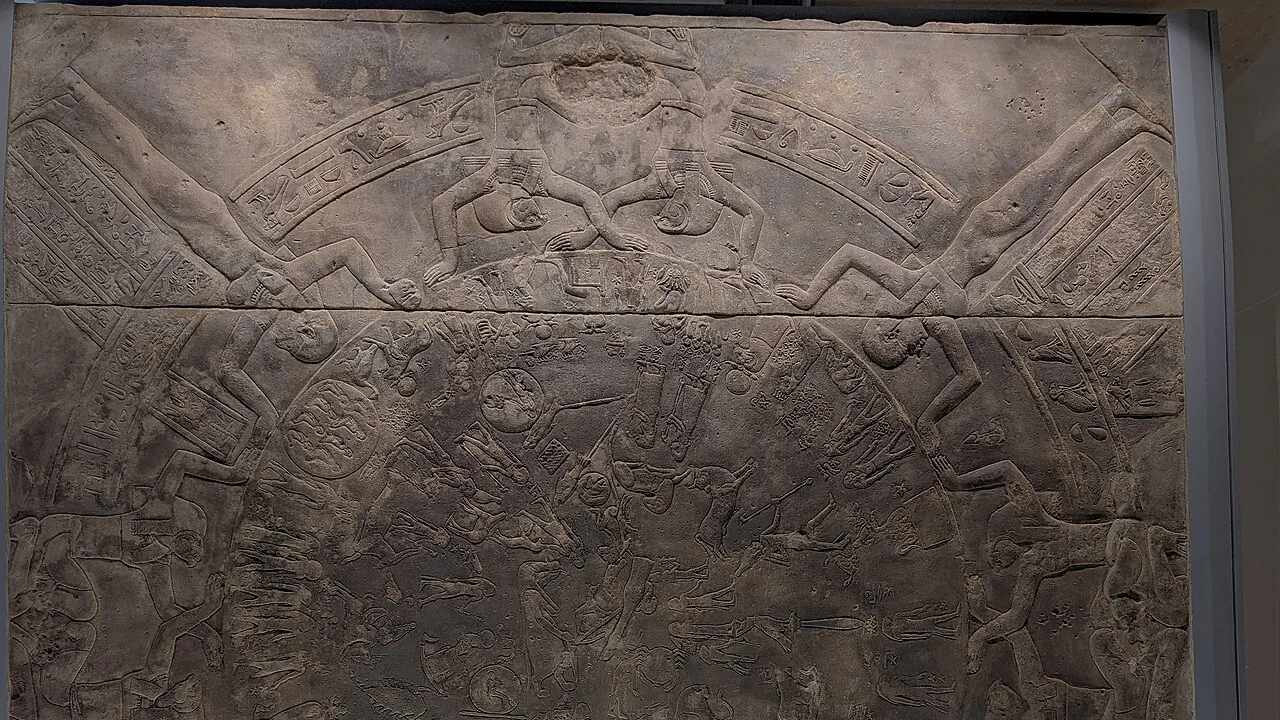
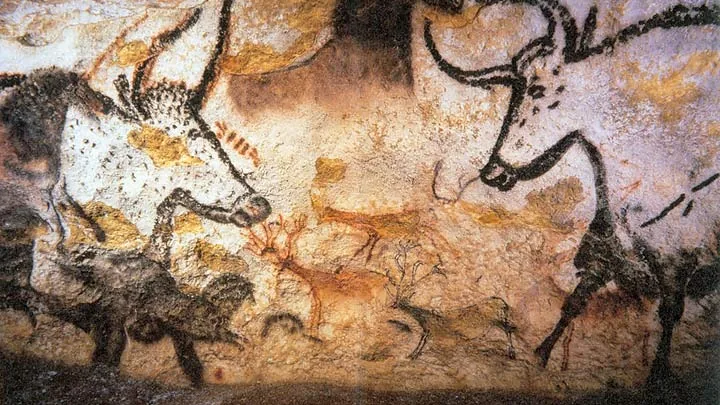
Humans make the first symbolic images in deep caves

The hard-to-reach cave walls where these images appear suggest ritual and controlled access from the beginning — symbolic images were never neutral. Everything downstream (banning, standardizing, weaponizing imagery) presupposes this founding capacity.
c. 1353–1336 BCE · Sacred image-control

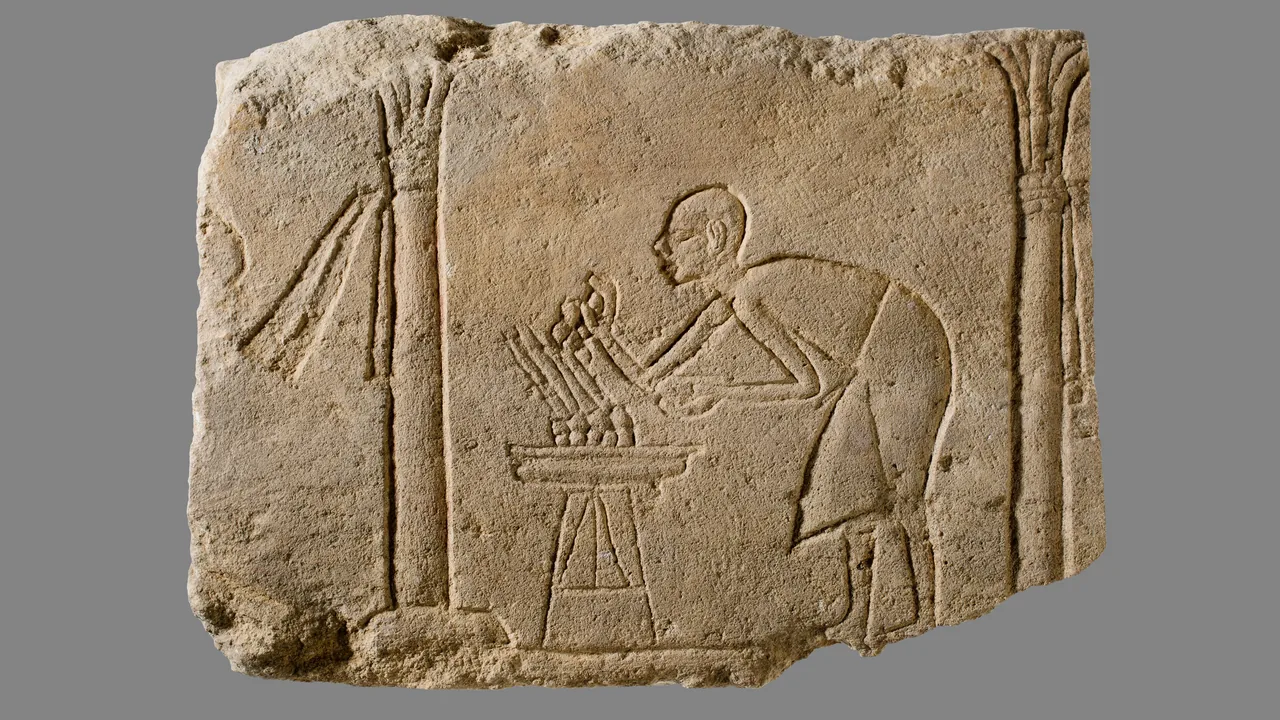
Akhenaten reforms Egypt's images, then is himself erased

One of the earliest documented cases of state-directed image reform followed by state-directed image erasure — control of the visual record wielded simultaneously as control of religion, politics, and memory itself. The pattern will repeat across every era.

c. 13th–6th centuries BCE · Sacred image-control

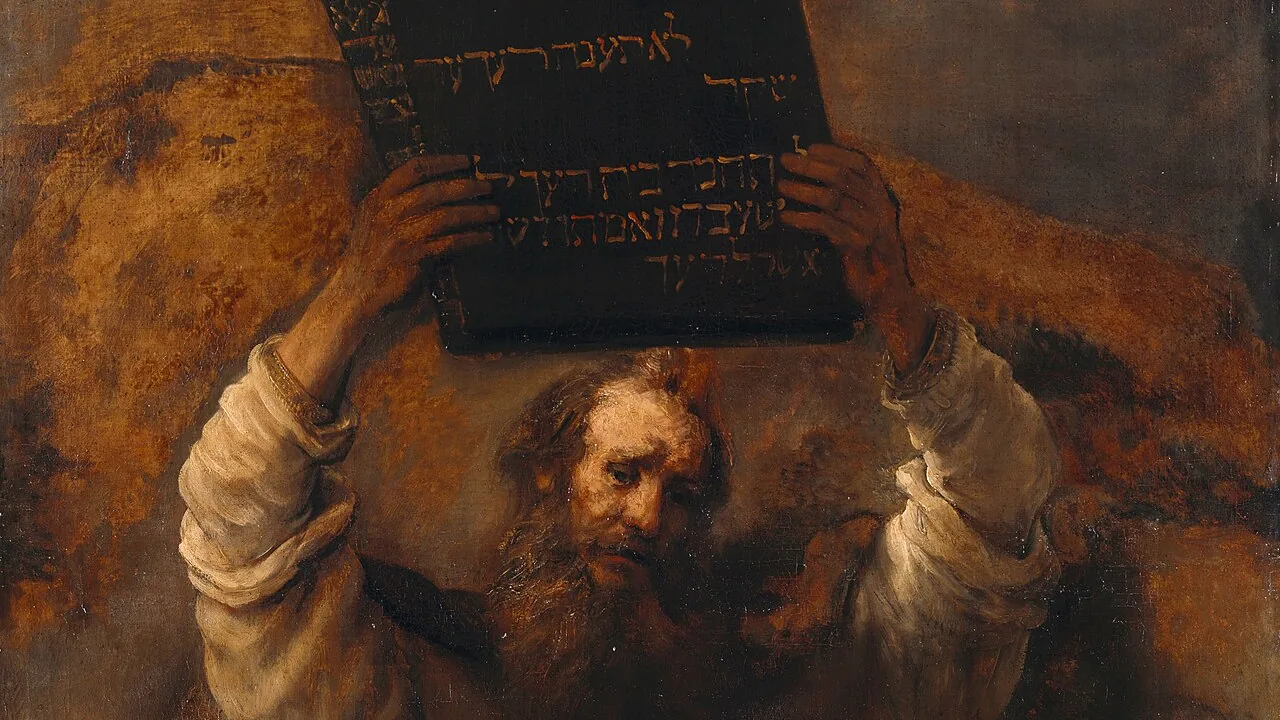
The Second Commandment forbids all graven images

The foundational Western textual warrant for image prohibition. Exodus 20:4–5 became the verse every subsequent iconoclast — Byzantine, Protestant, Islamic — reached for when ordering images destroyed. One legal clause, millennia of consequences.

c. 380 BCE · Sacred image-control

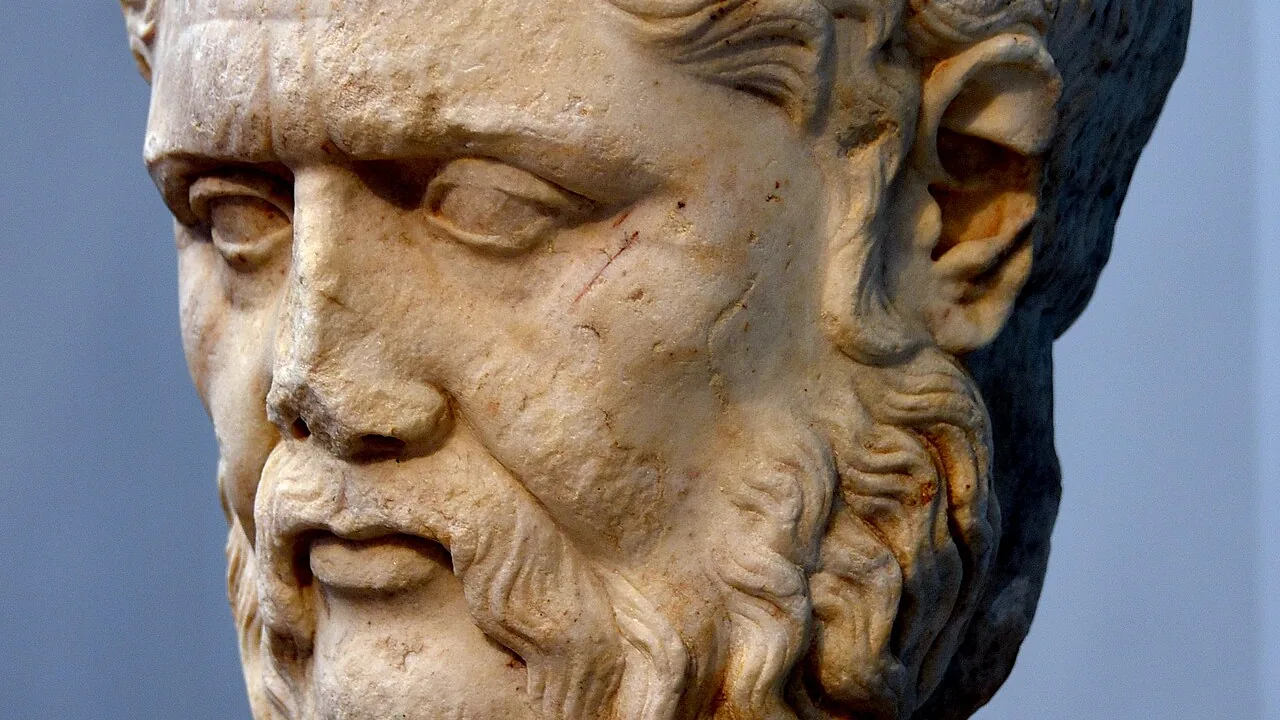
Plato argues mimesis corrupts the soul; banishes poets from the ideal city

The founding philosophical text of Western image censorship — the case that mimetic representations bypass reason, shape the soul, and therefore must be controlled by the state. Every subsequent argument for regulating images echoes Plato's Republic.

27 BCE–14 CE · Sacred image-control

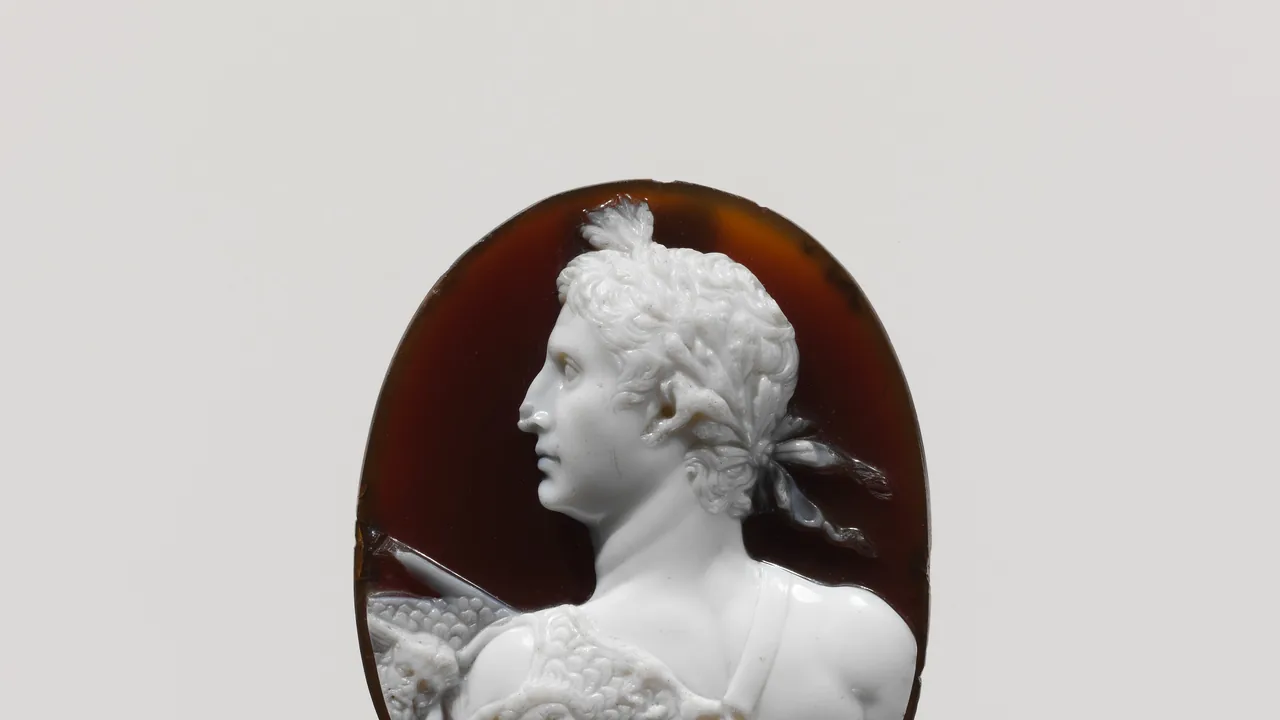
Augustus deploys coins and statues as mass image-propaganda across the empire

Roman state imagery is the archetype of centralized, standardized image-propaganda — coins and portrait statues as mass media that normalized one-man rule and divine kingship across a linguistically and culturally diverse empire. The template for every political image campaign that followed.

1st–4th centuries CE · Sacred image-control

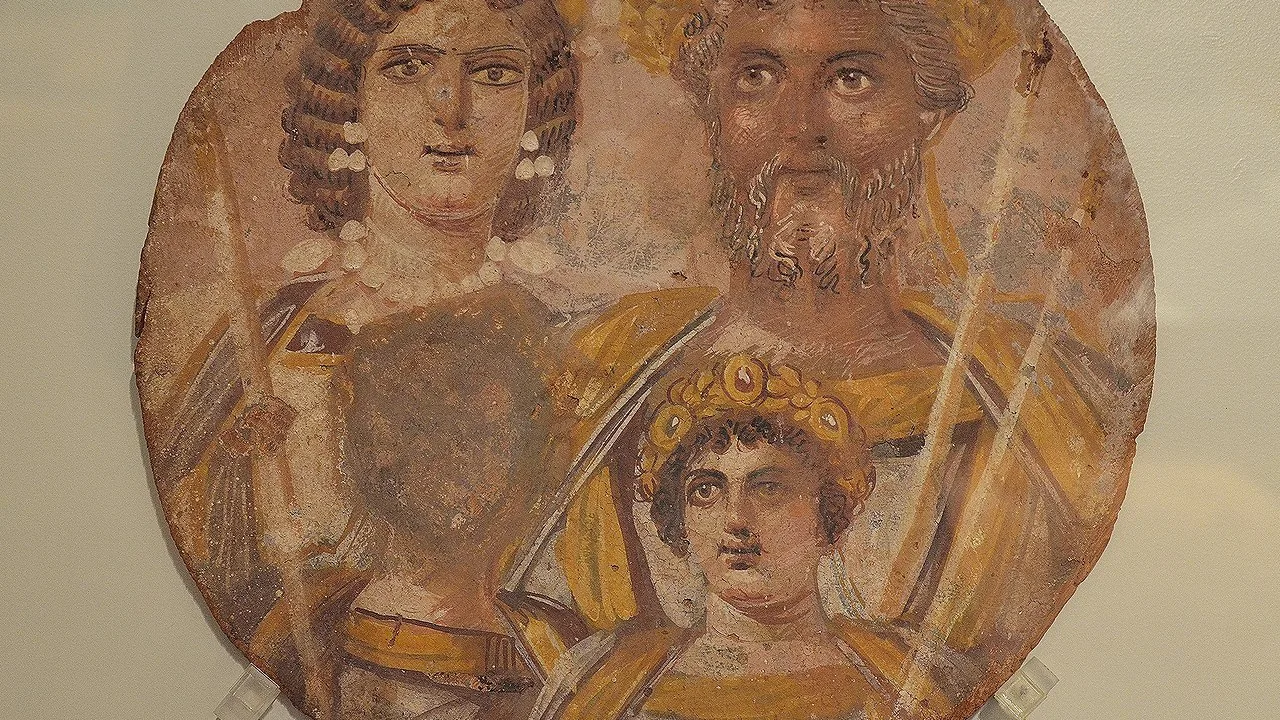
Rome institutionalizes image-erasure as political punishment

Damnatio memoriae — the chiseling of disgraced emperors from statues and inscriptions — is the most explicit Western institutionalization of image-erasure as state power. Conquered peoples' deities were absorbed and restyled, establishing image-control as an instrument of empire-building.

726–787 CE · Sacred image-control

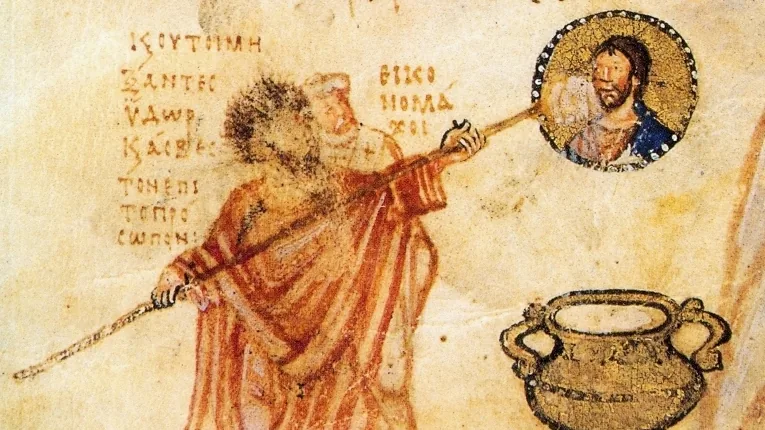
Byzantine Emperor Leo III launches the empire's war on sacred images

The most sustained state campaign of religious image-destruction in Christian history — an emperor invoking the Second Commandment to seize control of the Church's visual culture, wiping out a vast body of early Byzantine art. Icon and cross become rival political symbols.

787 CE · Sacred image-control

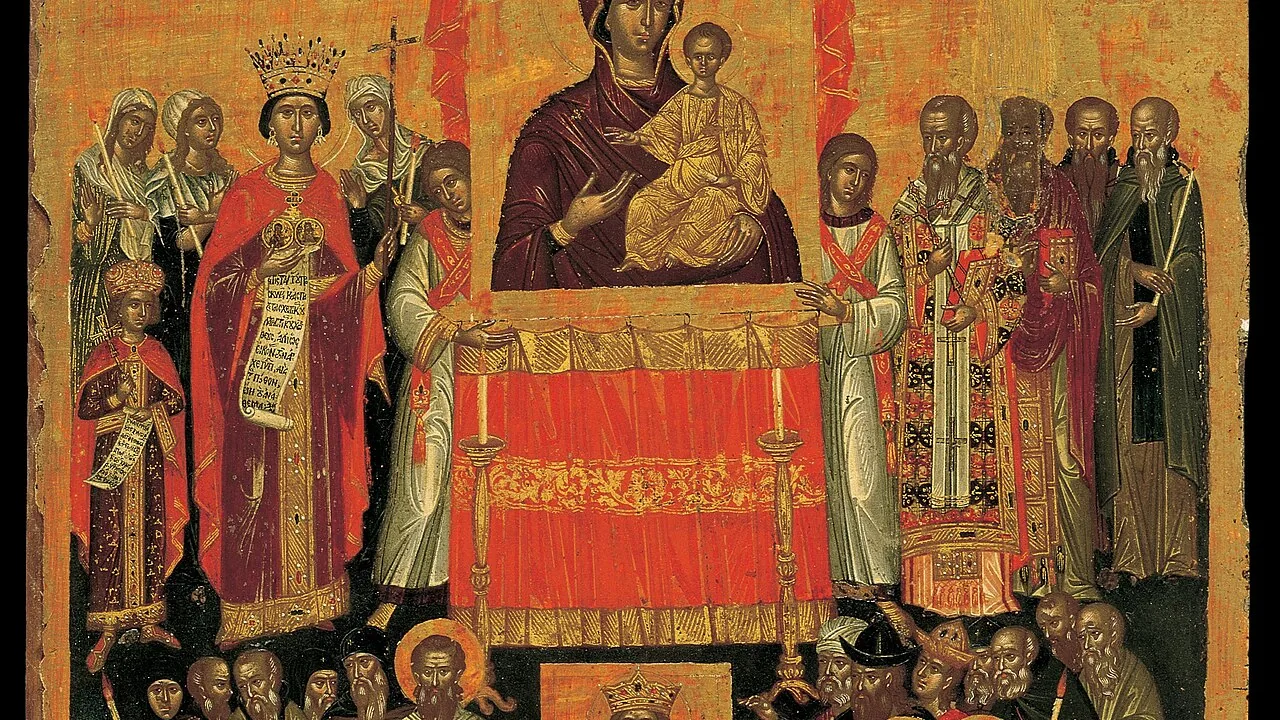
Nicaea II restores icons — and sets the rules for how images may be venerated

A landmark act of image-standardization rather than suppression: the council drew the line between permitted veneration and prohibited adoration, defining theologically how images work — a ruling still authoritative in Orthodox and Catholic churches twelve centuries later.

7th–9th centuries CE onward · Sacred image-control

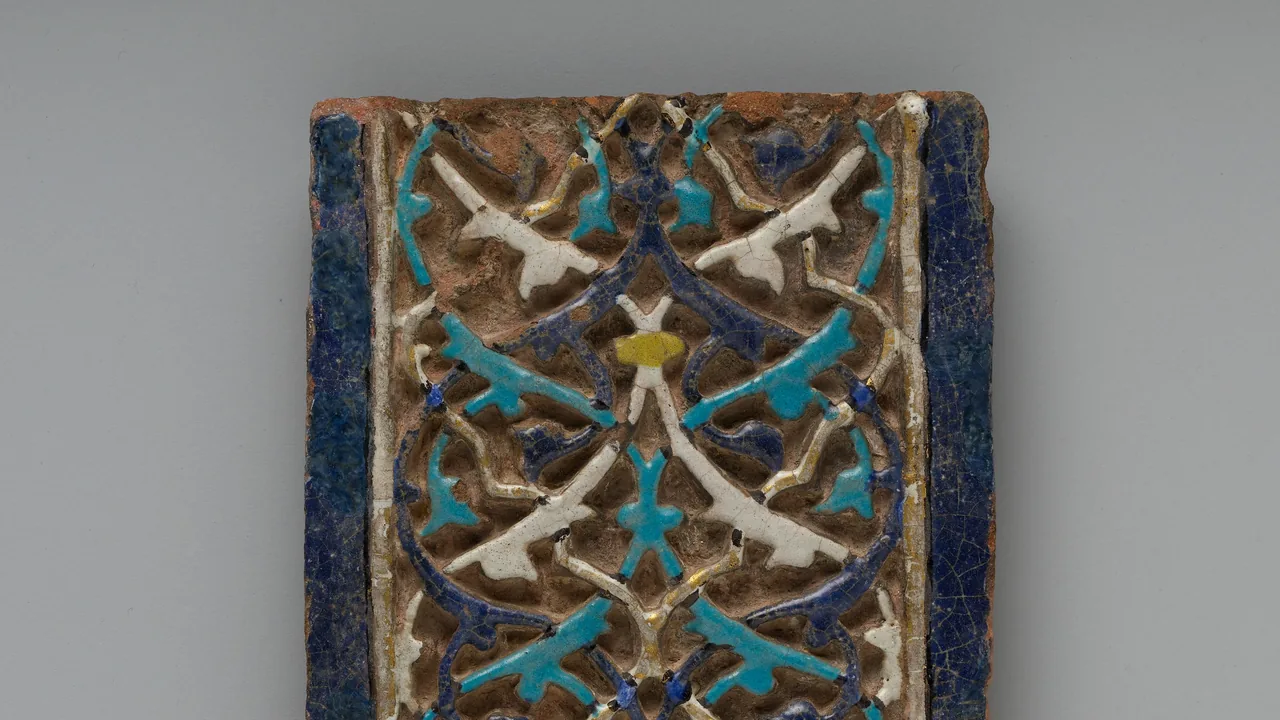
Islamic aniconism redirects an entire visual culture toward non-figurative form

A major, enduring tradition of religious image-control rooted in the conviction that creating living forms is God's prerogative alone — reshaping the visual culture of much of the world toward calligraphy, geometric pattern, and arabesque rather than the human figure.

Act II

Mechanical reproduction & mass persuasion

The press, the poster, the photograph, the broadcast — the image multiplied past counting, and consent became a thing you could engineer.

c. 1440 · Mechanical reproduction

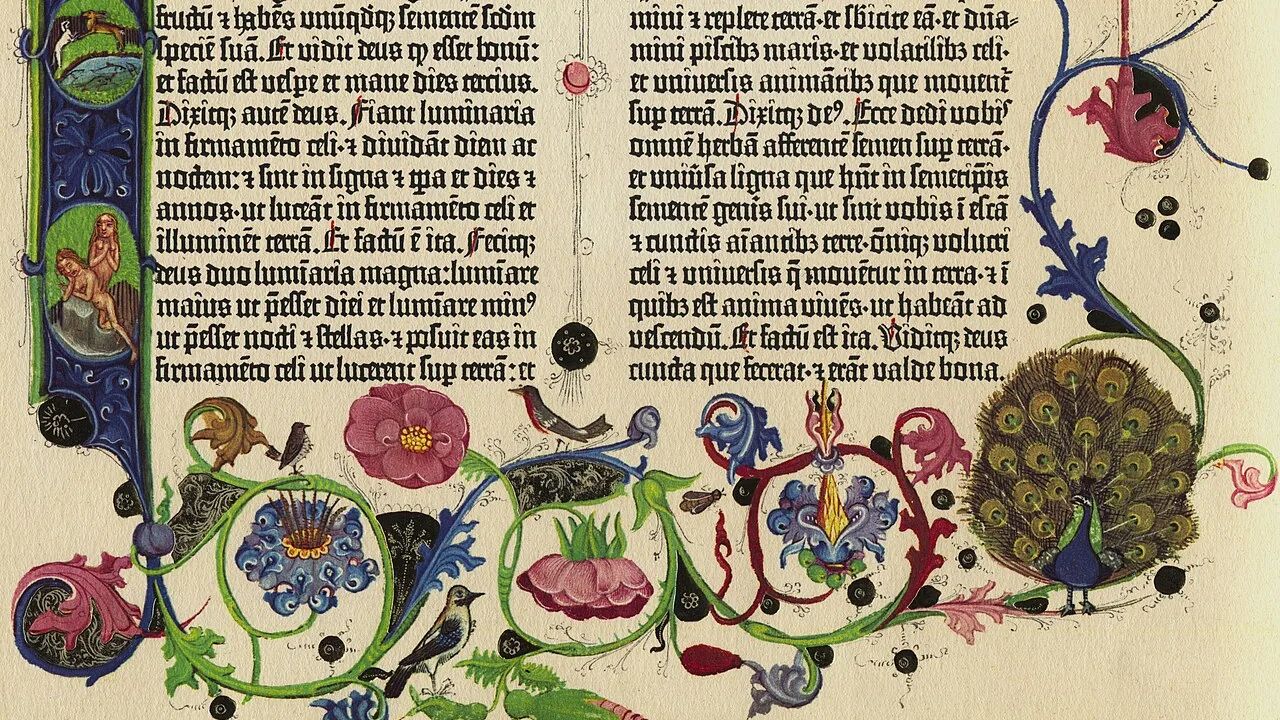
Gutenberg's press transforms image-control from unique objects to mass reproduction

The press made identical copies of images — woodcuts, broadsides, illustrated pamphlets — available at a scale no scriptorium could match. Image-control shifted from guarding rare objects to managing a flood of reproducible copies, setting the stage for the Reformation's pamphlet-and-woodcut wars.

1522–1566 · Mechanical reproduction

The Beeldenstorm — Reformed iconoclasm sweeps the Low Countries

The most destructive wave of European Christian iconoclasm since Byzantium, now amplified by print-culture pamphlets. Popular and theological image-destruction became inseparable from political revolt against Catholic imperial authority — images as the front line of power.

1547–1559 and 1640s · Mechanical reproduction

English and Puritan iconoclasm whitewash church walls and strike off saints' faces

Distinct for being government-sanctioned rather than mob-driven — Royal Injunctions ordered systematic disfigurement of stone faces and the whitewashing of painted walls, teaching through engineered absence. The shift to sola scriptura literally removed images and replaced them with text.

1563 · Mechanical reproduction

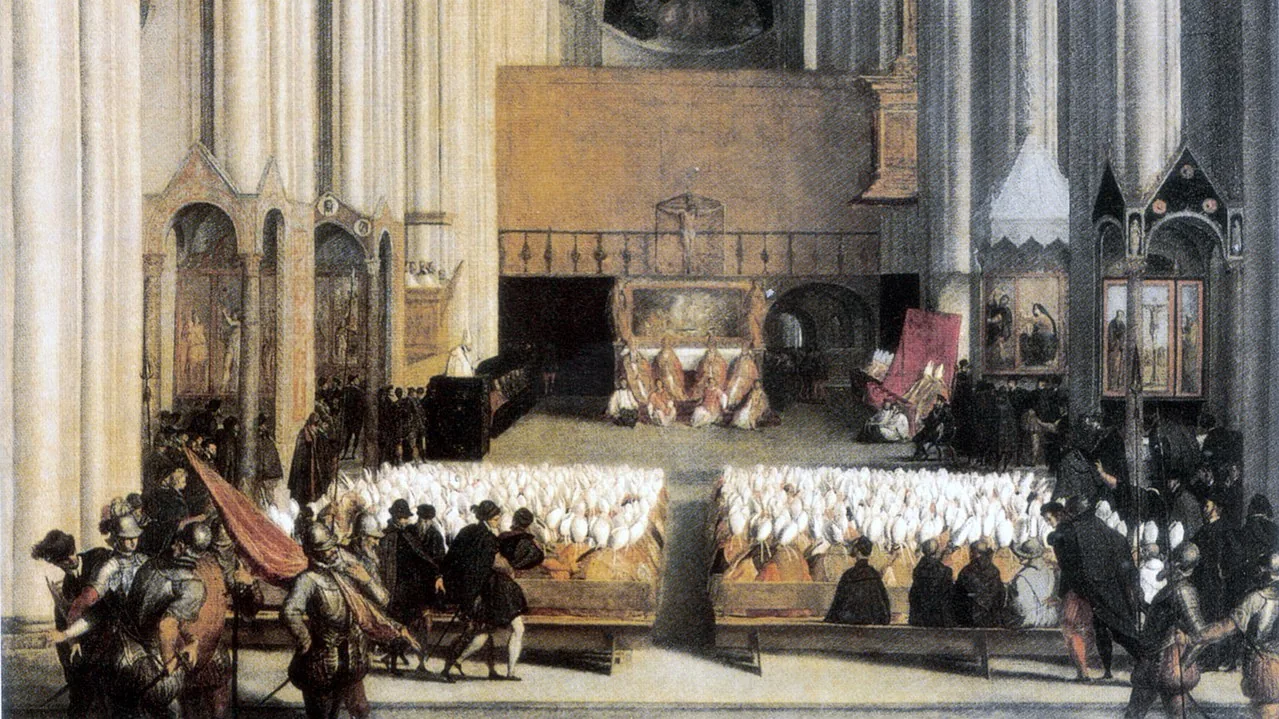
Council of Trent standardizes sacred images as the Catholic counter-move

Rather than abandoning images, Trent's decree regulated and standardized them — subjecting all religious art to episcopal approval and doctrinal scrutiny. The Catholic answer to Protestant iconoclasm channeled image-power toward the emotionally persuasive Baroque while placing it under institutional control.

1791 & 1795 · Mechanical reproduction

Volney and Dupuis publish the systematic case that religion is encoded astronomy

These two Enlightenment publications are the origin-point of modern astrotheology — the interpretive framework, advanced by Volney and Dupuis, that religious symbols and myths encode astronomical phenomena. Their influence runs directly through Blavatsky, Hall, and the 20th-century symbol-decoding tradition.

1796 onward · Mechanical reproduction

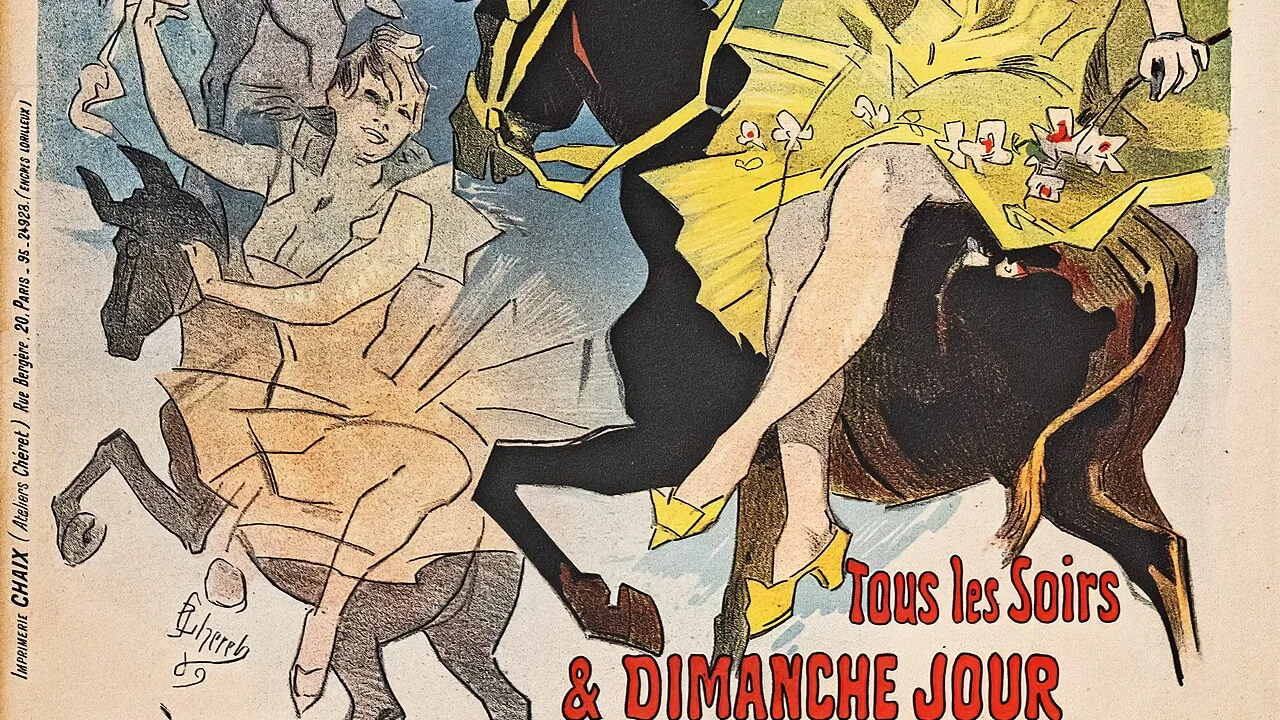
Lithography puts commercial and political images into the streets at mass scale

Lithography — cheap, high-volume, and eventually in color — shifted image-power toward commerce and advertising, flooding public space with mass-produced iconography. It was the technological precondition for the 20th-century industrialization of consent.

1839 · Mechanical reproduction

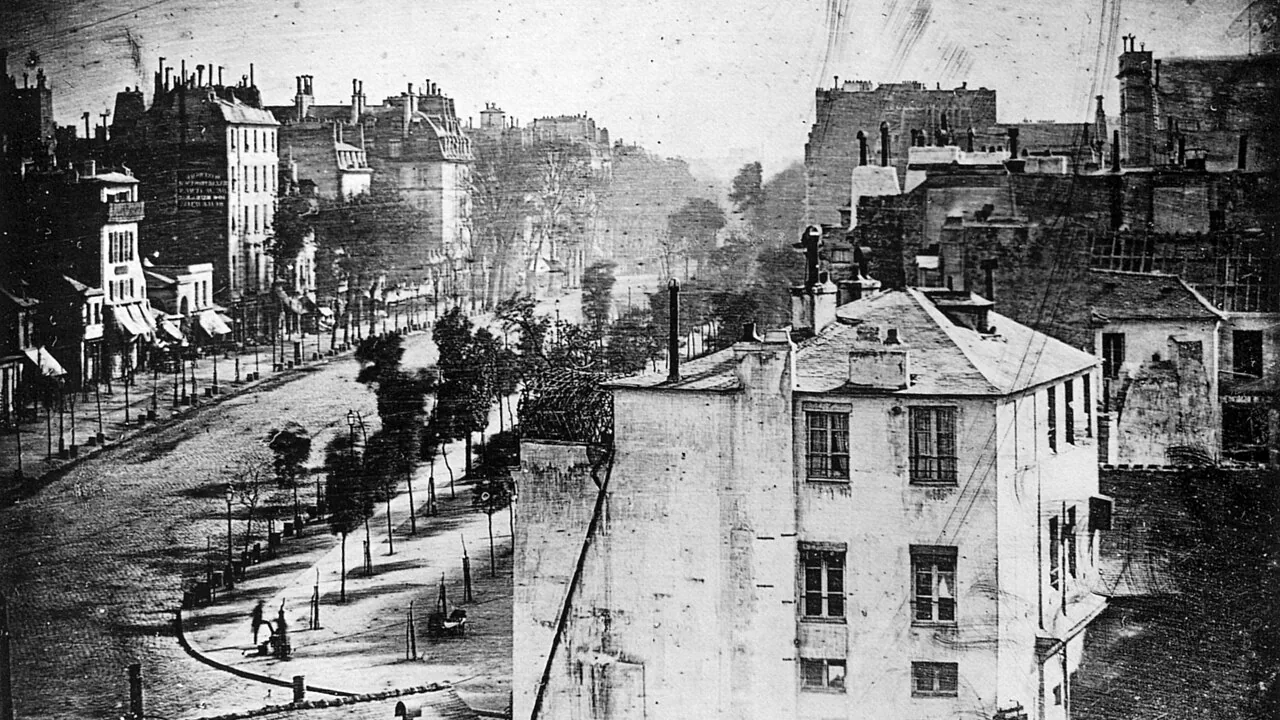
Photography introduces the mechanically captured image — and the illusion of objectivity

The camera created the powerful illusion that a photograph is objective evidence rather than a made image, which made photographic propaganda especially potent. The very credibility that made photography revolutionary also made retouching and staged photography — and, later, deepfakes — the most effective tools of image-control ever devised.

1875–1888 · Mechanical reproduction

Blavatsky founds Theosophy and publishes a synthesis of world symbol-systems

Theosophy systematized and popularized the theory — advanced by Blavatsky — that the world's religious symbols share a hidden, unified esoteric meaning. It is the key transmission node between Enlightenment astrotheology and the 20th-century symbol-decoding tradition, placing the ouroboros, swastika, ankh, and hexagram in a single interpretive frame.

1920s · Mechanical reproduction

Edward Bernays applies psychoanalysis to corporate persuasion — and names the method

Bernays moved image and symbol-control from religion and the state into corporate mass persuasion — the deliberate, 'scientific' use of symbols and imagery to shape mass behavior, often invisibly. His 'engineering of consent' is the intellectual foundation of modern advertising, public relations, and political communication.

1928 · Mechanical reproduction

Manly P. Hall compiles the 20th century's definitive esoteric symbol encyclopedia

Hall's encyclopedia became the single most influential 20th-century compendium of esoteric symbol-interpretation, transmitting Hermetic, Masonic, alchemical, and astrotheological traditions to generations of readers. Hall argued that concealed within the world's emblematic figures and rituals lies a secret doctrine — and compiled the evidence in a single landmark volume.

1935 · Mechanical reproduction

Riefenstahl aestheticizes state power; Benjamin diagnoses what images have become

The clearest 20th-century fusion of mass-reproduced imagery and total state power — and the canonical theoretical response. Benjamin's diagnosis that fascism 'aestheticizes political life' through mechanical reproduction named the modern problem of the image as political control at its most acute.

1950s · Mechanical reproduction

Television advertising industrializes the manufacture of desire inside the home

Broadcast TV concentrated image-influence in a handful of networks and advertisers, industrializing the manufacture of desire and political consent through moving images on a scale Bernays had only theorized — and delivering it directly into the private space of millions of living rooms simultaneously.

1967 · Mechanical reproduction

Debord: authentic life has been replaced by its representation in images

The defining critical theory of the image-saturated consumer society — naming 'the spectacle' as a system in which mediated images organize all social relations and pacify. Debord's analysis anticipated the algorithmic-feed era by decades; his vocabulary is now indispensable for understanding platform image-control.

1990s–2000s · Mechanical reproduction

Maxwell, Tsarion, and Freeman bring symbol-decoding to mass internet audiences

The modern transmission node of the symbol-decoding worldview — the claim, advanced by Maxwell, Tsarion, and Freeman, that elites communicate through hidden symbols embedded in religion, money, architecture, and media. Their work fed directly into films like Zeitgeist (2007) and shaped the internet's first generation of alternative-research culture.

Act III

Algorithmic & synthetic imagery

The feed, the deepfake, the generator — the image-machine privatized, and the visual unconscious handed to whoever owns the models.

2004–2016 · Algorithmic / synthetic

Algorithmic feeds transfer image-curation from editors to engagement-optimizing machines

The shift from chronological to algorithmic feeds placed a machine — not an editor, not a tradition, not a state — in control of which images and symbols billions of people see each day, optimizing for engagement rather than meaning. A new automated regime of image-curation with no historical precedent.

2017 onward · Algorithmic / synthetic

Deepfakes break the evidentiary trust in photographic and video images

The most direct modern attack on the image as a reliable representation of reality — weaponizing machine learning to produce photorealistic synthetic imagery indistinguishable from genuine video. Every historical act of image-erasure or forgery now becomes trivially scalable and untraceable.

2022–2026 · Algorithmic / synthetic

AI image generation concentrates the power to make culture's images in a few platforms

For the first time, the capacity to generate photorealistic images and symbols on demand — the culture's entire visual output — is concentrated in a handful of private platforms whose models encode training-data biases and whose outputs are increasingly indistinguishable from photographs. Every historical question about image-control (who may make images, which are legitimate, how they are authenticated) returns, now at planetary scale and automated speed.