ANAMNESIS

Step 1 of 5 · The claim

Representation is power.

Every image you meet was made by someone, to do something to you. The storefront, the screen, the seal on the money — none of it is neutral, and none of it is an accident. Whoever decides which images you see, and which you never do, is shaping the inside of your life. That is the oldest kind of power there is.
Step 2 of 5 · One decode

You've held this and never read it.

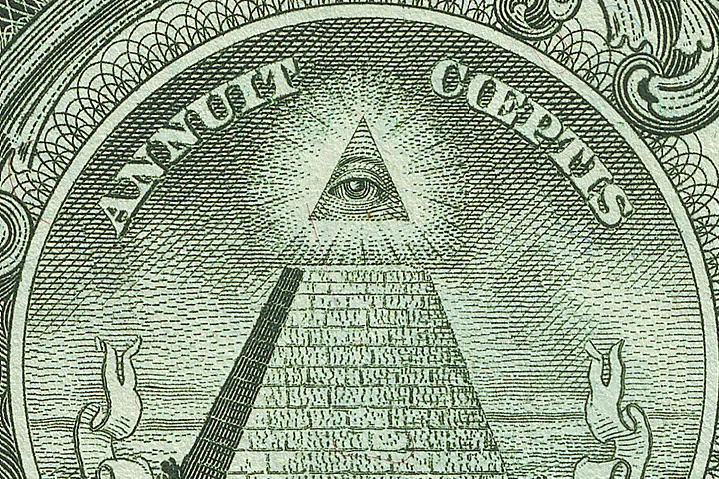
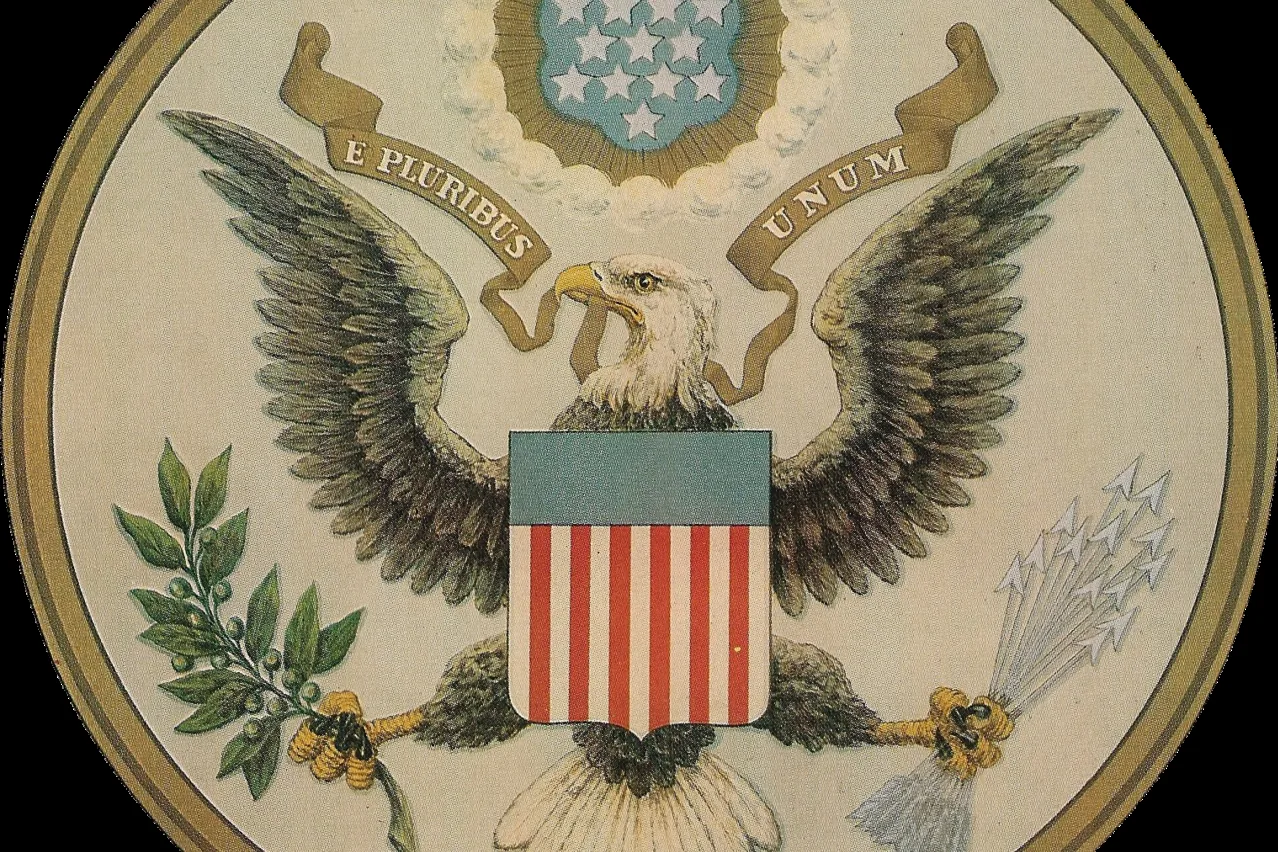
Turn over a dollar. A pyramid left unfinished, a single open eye, a Latin motto announcing a new order of the ages. Manly P. Hall read it plainly as the signature of an initiatic tradition. It isn't decoration — it's a stack of inherited symbols, and once you can name them, the bill never looks the same.

It breaks into its symbols —

See the full decode →

Step 3 of 5 · The keystone

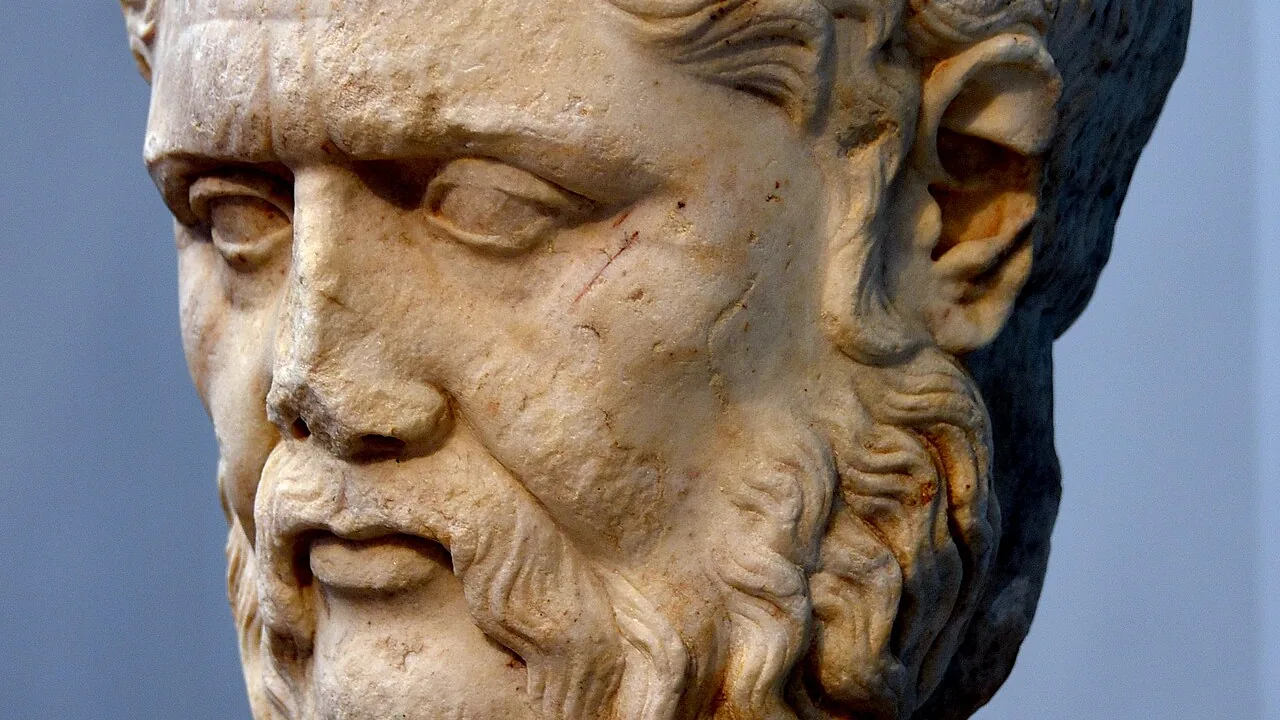
Plato banned the poets.

Twenty-four centuries ago, in the Republic, Plato argued that the ideal state must control its stories, its music, and its images — because rhythm and image sink beneath reason and shape the soul before thought can object. Book X goes further, and exiles the imitative artists outright. The first political act, he saw, is deciding what may be shown.

Step 4 of 5 · The pattern

Every power fights over images first.

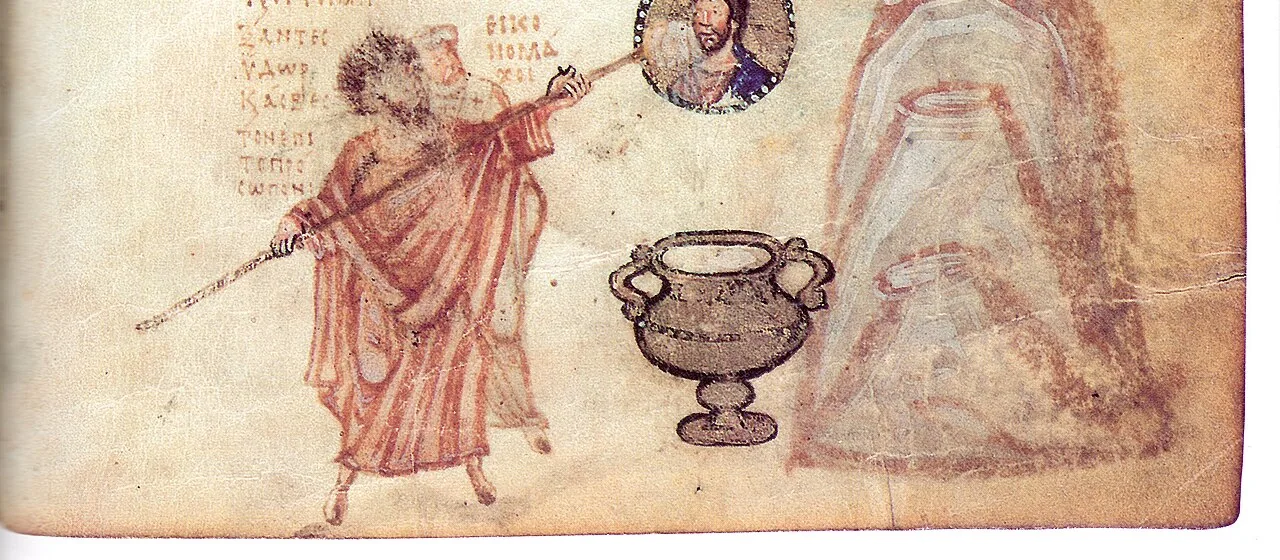
It is not only Plato. The Second Commandment forbids the graven image. Byzantium tore down its icons; reformers whitewashed their churches; empires raised and toppled statues. Across four thousand years one pattern holds: whoever wants the soul of a people goes to war over its pictures first. Image-control and soul-control are the same campaign.

Step 5 of 5 · Now you can't unsee it

You can't unsee it now.

You've crossed the line that matters: from looking to reading. The images don't change — you do. From here the archive opens. Walk the Dictionary and learn the symbols one by one, or follow a route through the ones hiding closest to home.