de:Benutzer:Verwüstung · Wikimedia Commons · Public Domain
civic-national
The All-Seeing Eye
The few who see, hidden on the money in your pocket.
AttributedDocumented origin
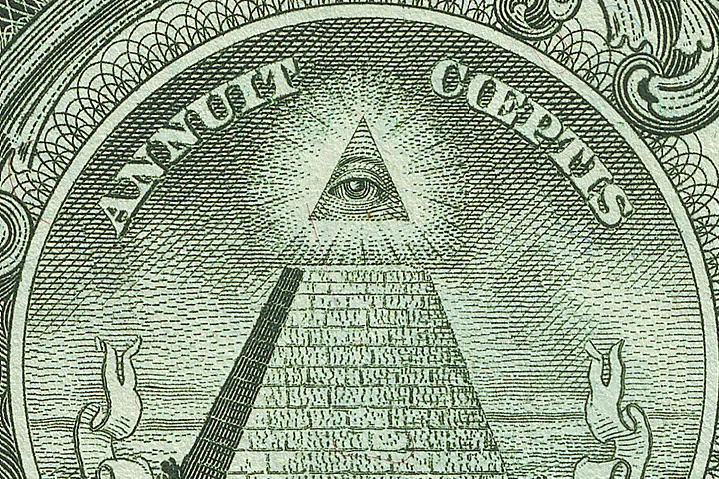
The eye set within a triangle and wreathed in rays enters Western art in the Renaissance as a Christian emblem of providence — the omniscience of God watching over creation. In 1782 the new United States fixed it onto the reverse of its Great Seal, hovering above an unfinished thirteen-step pyramid. In 1935 that design was printed onto the one-dollar bill, where it has circulated ever since.
The reading
Jordan Maxwell reads the radiant eye not as the Christian God but as the solar eye of Horus and Ra — the watching sun folded into the iconography of the state. Manly P. Hall places it within a long initiatic tradition in which the eye marks the few who see, set deliberately above the many who are only ever seen.
Where it hides today
Once you know it, it surfaces everywhere: the Great Seal and the dollar, the 1951 CBS network eye, the pyramidal marks of surveillance and “security” firms, and a thousand corporate logos built around a single, open, observing eye.
Decoded by
- Jordan Maxwell
- Manly P Hall
Where next
-
civic-national
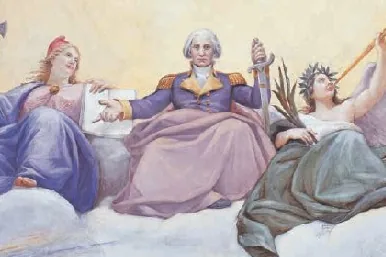
The Capitol Dome and the Apotheosis of Washington
The legislature's ceiling shows a president ascending to godhood.
Also civic-national
Attributed Civic-Solar -
civic-national
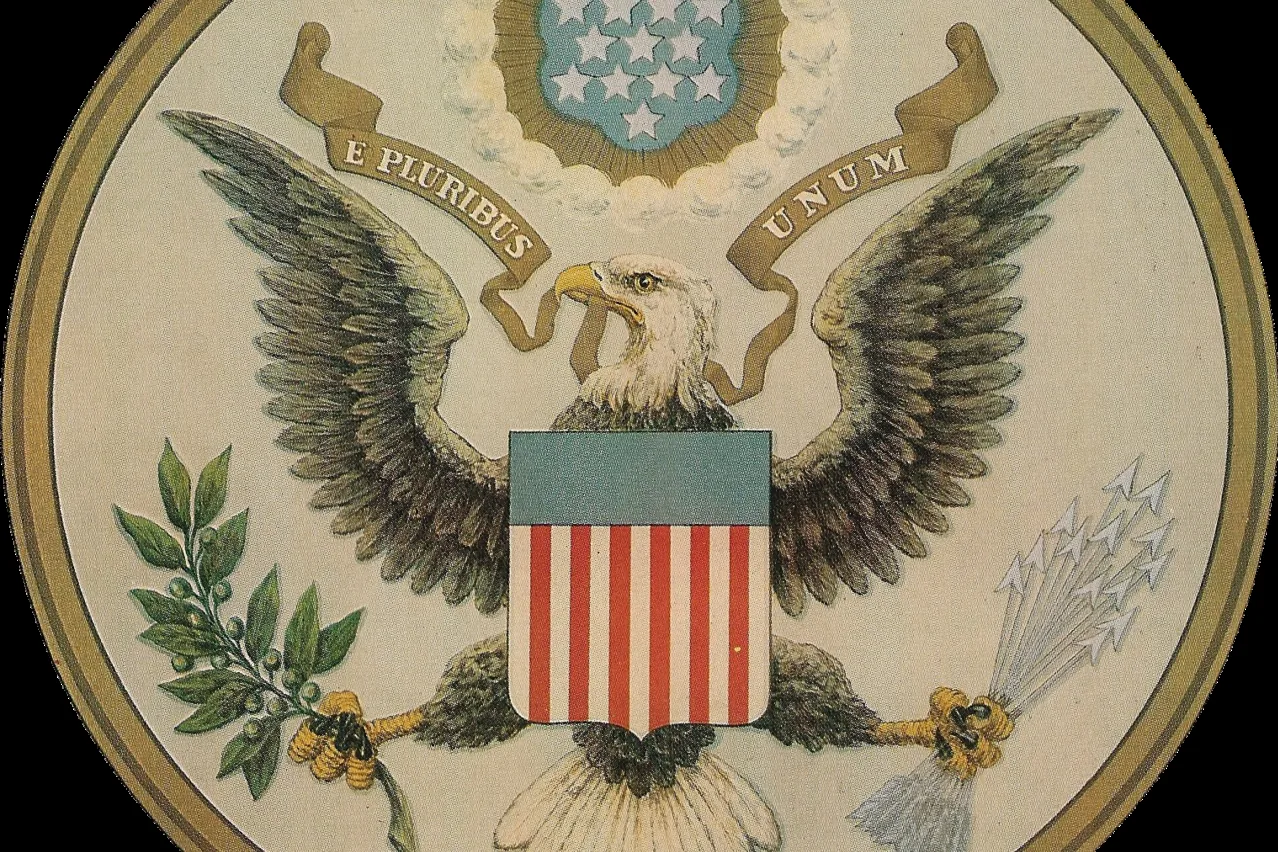
The Eagle as Phoenix
The most official bird in America, read as the phoenix in plain dress.
Also civic-national
Attributed Civic-Solar -
civic-national
The Fasces
Rome's bundle of rods and axe — coercive power, in plain sight.
Also civic-national
Attributed Civic-Solar -
civic-national
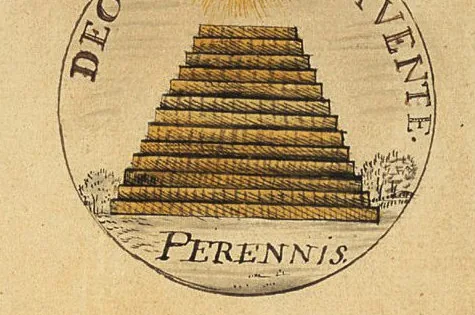
The Great Seal of the United States
An unfinished pyramid and a watching eye — printed on every dollar.
Also civic-national
Attributed Civic-Solar
Share this specimen
ANAMNESIS
The eye on the dollar isn't decoration. It's a claim.
The All-Seeing Eye