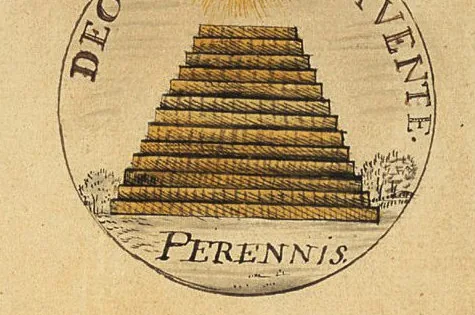
William Barton · Wikimedia Commons · Public Domain
civic-national
The Great Seal of the United States
An unfinished pyramid and a watching eye — printed on every dollar.
AttributedDocumented origin
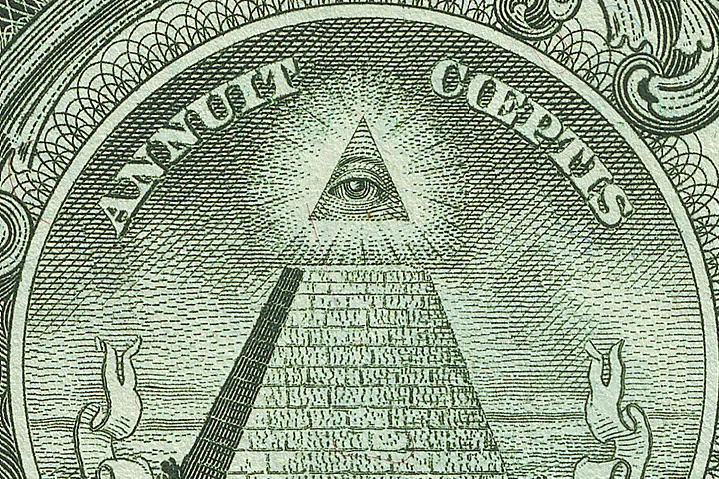
Congress adopted the Great Seal of the United States in 1782. Its reverse displays an unfinished pyramid of thirteen courses, surmounted by the Eye of Providence radiating light, flanked by two Latin mottoes: Annuit Cœptis (“He approves our undertakings”) and Novus Ordo Seclorum (“a new order of the ages,” from Virgil’s Eclogues). The design sat largely unused until 1935, when Secretary of Agriculture Henry Wallace persuaded President Roosevelt to place both sides of the seal on the one-dollar bill, where they have circulated ever since.
The reading
Manly P. Hall noted in 1928 that the seal’s designers gave the republic a Mystery-school emblem — the unfinished pyramid and the all-seeing eye drawn from the same initiatic tradition that ran through Egyptian, Hermetic, and Masonic symbolism. Jordan Maxwell and David Icke read the pyramid-and-eye as the blueprint of a hierarchical control system: the few who see placed above the many who do not, the mottoes announcing the project openly. William Cooper taught that the symbol was never decorative — it was a declaration of intent on the currency that funded the enterprise.
Where it hides today
It is never hidden: every dollar bill carries it. What changes is whether you read the seal as a patriotic flourish or a statement of architecture — the incomplete pyramid waiting for its capstone, the eye above the base watching the gap close.
Decoded by
- Jordan Maxwell
- David Icke
- Manly P Hall
- William Cooper
Appears in
Where next
-
civic-national
The All-Seeing Eye
The few who see, hidden on the money in your pocket.
Also civic-national
Attributed Civic-Solar -
civic-national
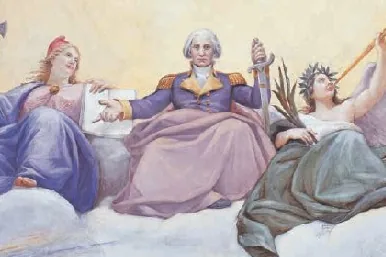
The Capitol Dome and the Apotheosis of Washington
The legislature's ceiling shows a president ascending to godhood.
Also civic-national
Attributed Civic-Solar -
civic-national
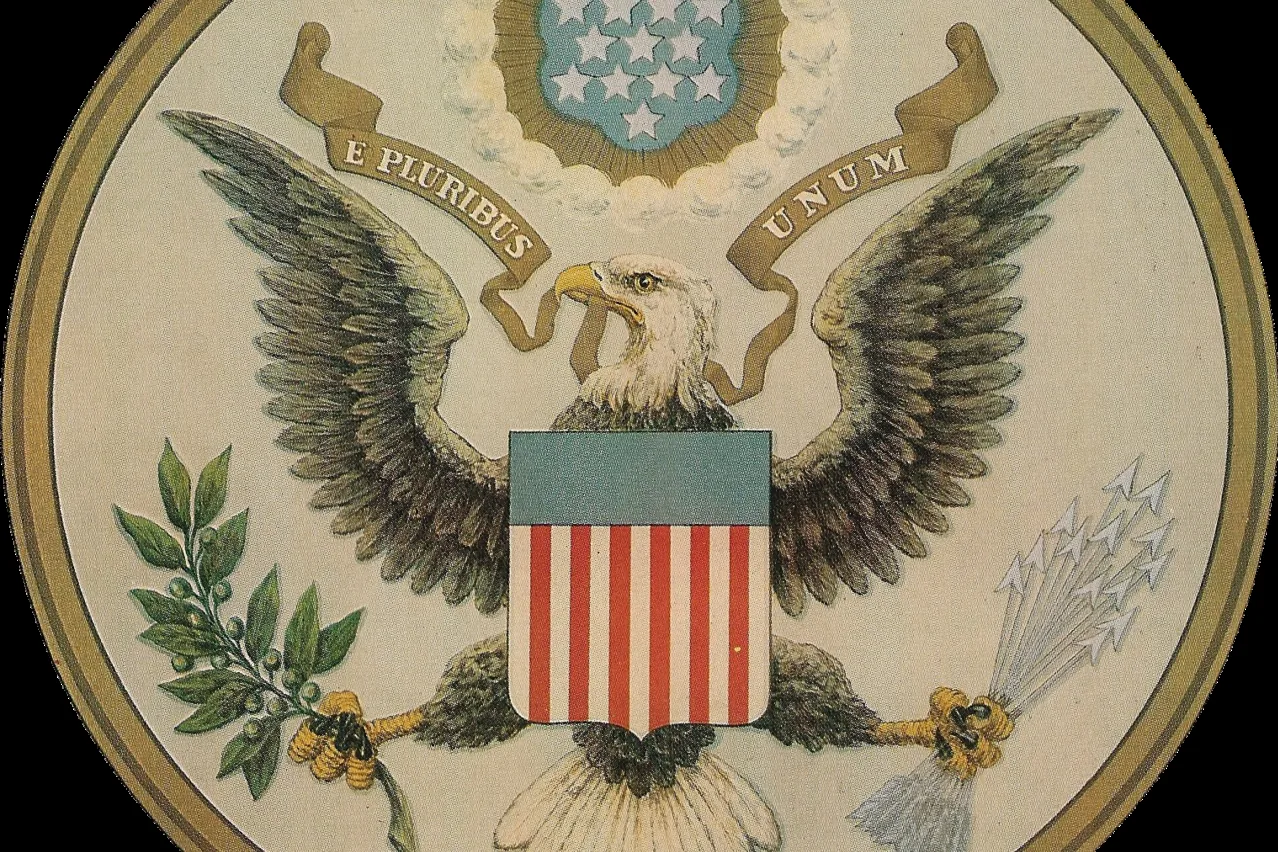
The Eagle as Phoenix
The most official bird in America, read as the phoenix in plain dress.
Also civic-national
Attributed Civic-Solar -
civic-national
The Fasces
Rome's bundle of rods and axe — coercive power, in plain sight.
Also civic-national
Attributed Civic-Solar
Share this specimen
ANAMNESIS
Novus Ordo Seclorum: the new order, announced on the money.
The Great Seal of the United States