civic-national
The Fasces
Rome's bundle of rods and axe — coercive power, in plain sight.
AttributedDocumented origin
A bound bundle of wooden rods, often enclosing an axe, the fasces was an Etruscan-Roman emblem of magisterial authority — imperium — carried before officials by attendants called lictors. The rods stood for the power to scourge, the axe for the power to behead. Its Etruscan origin is confirmed by a 7th-century BCE miniature set found in a tomb at Vetulonia, centuries before Rome raised the same bundle over its own magistrates.
The reading
Jordan Maxwell reads the fasces as the open emblem of the state’s coercive power — “strength through unity,” the bundle harder to break than the single rod, set in plain sight in the chambers of government. Mark Passio reads it within his account of authority and the order-follower: the rods and axe as the naked force that stands behind every law, displayed rather than hidden.
Where it hides today
Two bronze fasces flank the flag in the U.S. House chamber; they brace the armrests of the seated Lincoln, mark the Senate seal, and once ran along the reverse of the dime — the rods of Rome still bundled, openly, at the center of the republic.
Decoded by
- Jordan Maxwell
- Mark Passio
Appears in
Where next
-

civic-national
The All-Seeing Eye
The few who see, hidden on the money in your pocket.
Also civic-national
Attributed Civic-Solar -
civic-national
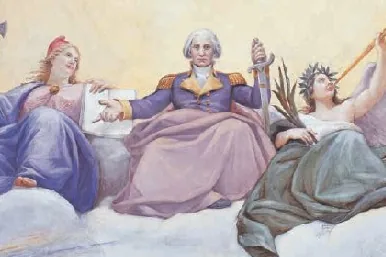
The Capitol Dome and the Apotheosis of Washington
The legislature's ceiling shows a president ascending to godhood.
Also civic-national
Attributed Civic-Solar -
civic-national
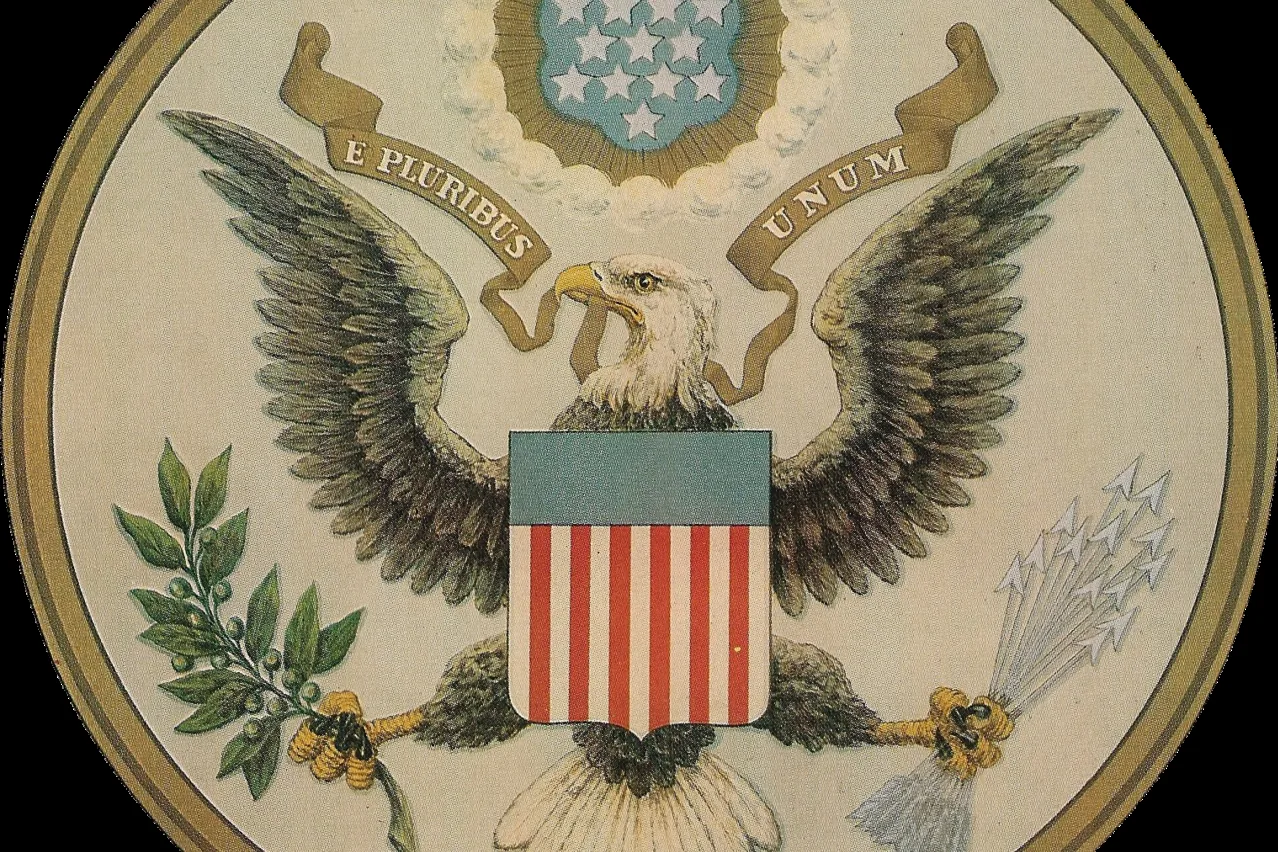
The Eagle as Phoenix
The most official bird in America, read as the phoenix in plain dress.
Also civic-national
Attributed Civic-Solar -
civic-national
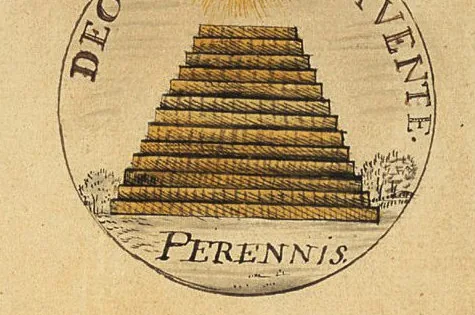
The Great Seal of the United States
An unfinished pyramid and a watching eye — printed on every dollar.
Also civic-national
Attributed Civic-Solar
Share this specimen
ANAMNESIS
The rods of Rome, still bundled at the center of the republic.
The Fasces