Casebook decode · The fasces — bundle of rods bound around an axe — in U.S. civic architecture and coinage
The Fasces in the Republic
The magistrate's instrument of scourging and beheading is bolted to the walls of Congress.
The surface
Walk into the chamber of the U.S. House of Representatives and look behind the Speaker’s rostrum. The Architect of the Capitol’s own documentation confirms: “An American flag occupies the center and is flanked by two bronze fasces.” The National Park Service notes that Daniel Chester French’s Abraham Lincoln at the Lincoln Memorial “prominently depicts fasces on the ends of the armrests.” The reverse of the Mercury dime — minted by the United States from 1916 to 1945 — carries a fasces bound with an olive branch. The fasces is not an obscure motif: it is placed at the most visible surfaces of the Republic’s self-representation.
The decode
Jordan Maxwell and Mark Passio read the fasces as the state’s open declaration of imperium — the power over life and death held by the Roman magistrate and now claimed by the modern state, encoded in the furniture of its legislature. The bundle of rods represents the magistrate’s authority to scourge the citizen; the axe at the center represents the authority to behead. In Passio’s teaching, the fasces is one of the most important symbols to understand precisely because it is not hidden: it is placed at eye level in the legislature, on the president’s memorial, and in the pocket of every American who carried a dime for thirty years. Maxwell reads this placement as the institution speaking its own language — the language of coercive authority — to those trained to see it.
The symbol lineage
The fasces is among the oldest documented emblems of state power in Western history. A 7th-century BCE miniature iron fasces from an Etruscan tomb at Vetulonia confirms its Etruscan origin; Rome inherited the symbol and made it the formal emblem of the lictor — the magistrate’s bodyguard who preceded him through public space, carrying the bundle as a walking declaration of the office’s power to punish. Smith’s Dictionary of Greek and Roman Antiquities is explicit: the rods represent the power of the state to beat, the axe its power to behead. The U.S. adopted the fasces into its civic architecture across the early twentieth century — the House bronzes, the Lincoln armrests, the dime reverse — during the same decades in which Mussolini’s Partito Nazionale Fascista (whose name derives directly from fascio) made the fasces the emblem of Italian state authority. The symbol, Maxwell and Passio teach, does not change its meaning when it moves jurisdictions. It remains the binding of force, the declaration that the state holds your life in a bundle.
The symbol lineage
Broken into its symbols
The artifact is a stack of inherited symbols. Scroll to lift each one out ↓
Who teaches this decode
- Jordan Maxwell
- Mark Passio
Sources
Where next
-
civic-national
The Fasces
Rome's bundle of rods and axe — coercive power, in plain sight.
Related symbol
Attributed Civic-Solar -

fraternal-masonic
The Square and Compasses
A stonemason's tools, raised into the world's most known initiatic sign.
Related symbol
Attributed Masonic -
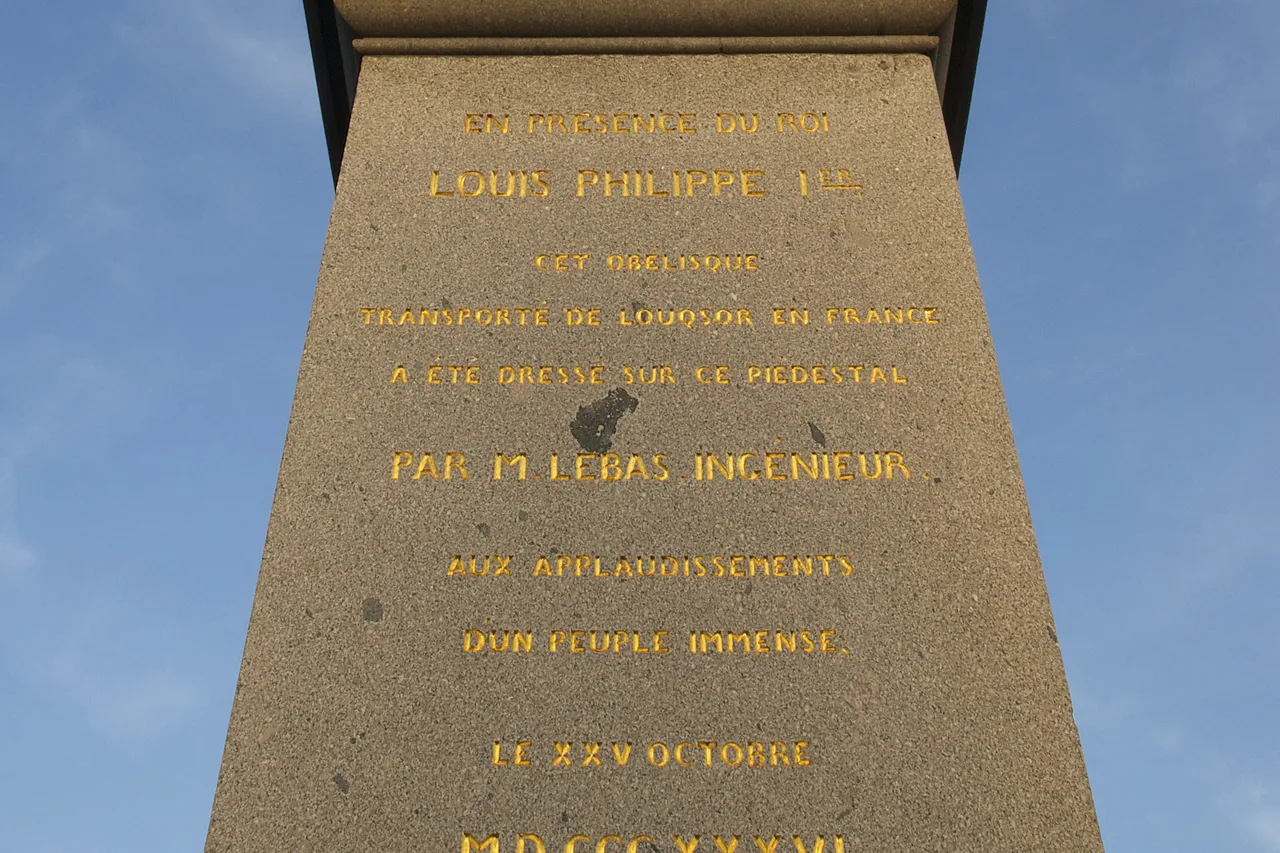
solar-astro
The Obelisk
A stone ray of sunlight, planted at the center of empire.
Related symbol
Attributed Astro-Theology
Share this decode
ANAMNESIS
The fasces means the state may scourge or behead you — and it hangs in the House chamber.
The Fasces in the Republic