Jamalsaman · Wikimedia Commons · CC BY 4.0
fraternal-masonic
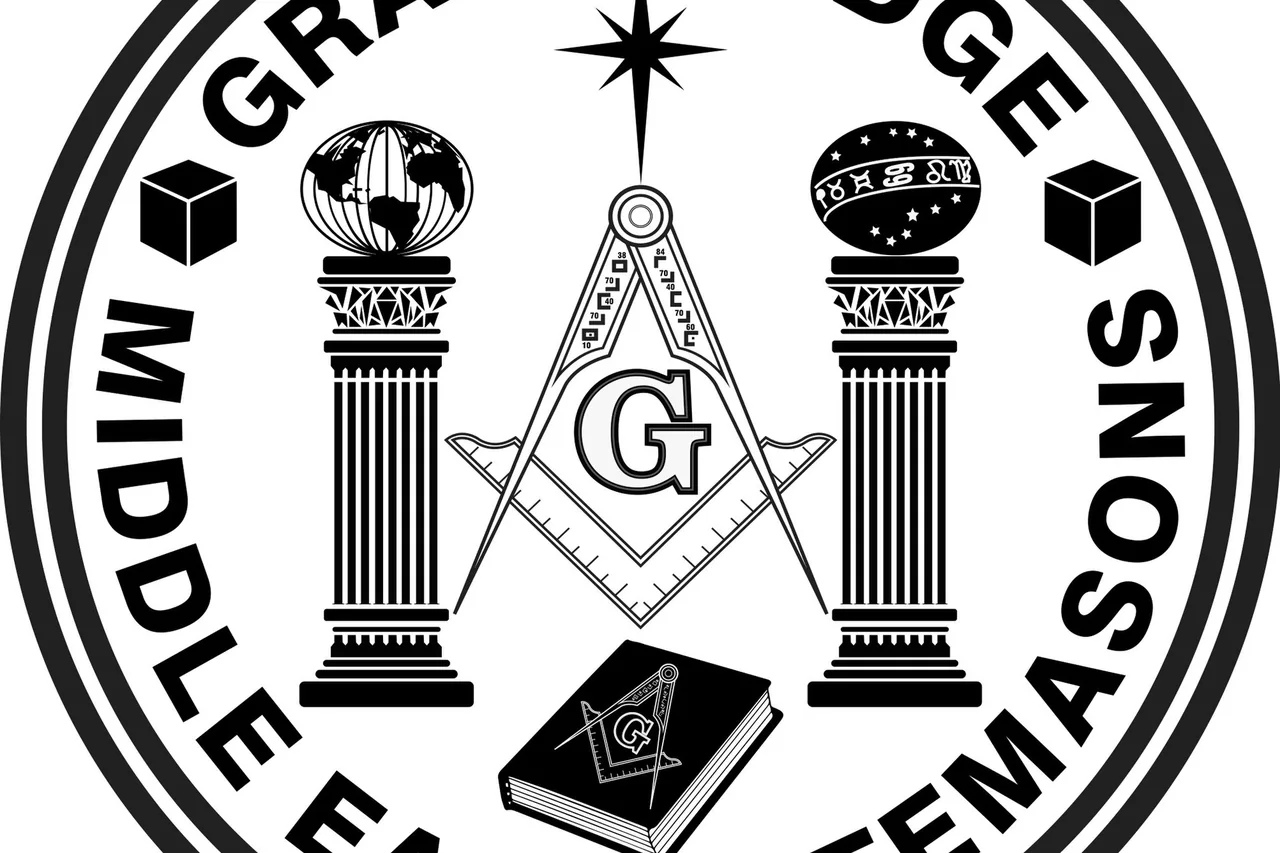
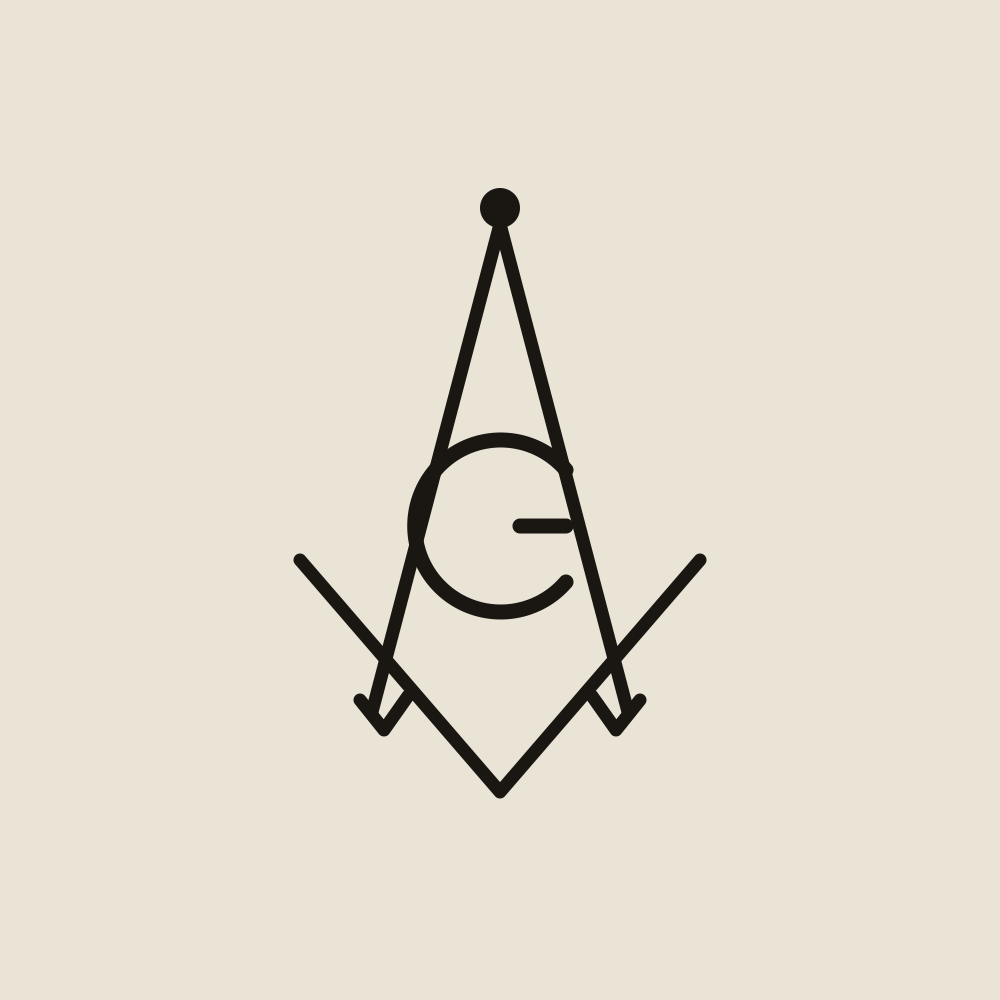
The Square and Compasses
A stonemason's tools, raised into the world's most known initiatic sign.
AttributedDocumented origin
The square and compasses — the stonemason’s tools, often enclosing the letter G — is the principal emblem of Freemasonry, standardized as the Craft’s identifying mark across the 18th and 19th centuries. The square trues a right angle; the compasses describe a circle. Together they passed from the working mason’s bench into the symbolic vocabulary of the lodge, and from there onto buildings, rings, and aprons worldwide.
The reading
Manly P. Hall reads the square as matter, earth, and body, and the compasses as spirit, heaven, and soul — their joining the “squaring” of human conduct toward virtue. Jordan Maxwell reads the tools as a language of power passed quietly between initiates. Mark Passio reads the same emblem as a moral instrument: geometry borrowed to teach the building of a disciplined self, the rough stone worked smooth.
Where it hides today
It rings lodge doors, signet rings, aprons, and the cornerstones of civic buildings across the world — a working builder’s toolkit lifted into the most widely recognized initiatic sign on earth.
Decoded by
- Manly P Hall
- Jordan Maxwell
- Mark Passio
Where next
-
fraternal-masonic
The Blazing Star
The star at the center of the lodge floor is not decoration — it is the point.
Also fraternal-masonic
Attributed Masonic -
fraternal-masonic
The Checkerboard Floor
Black and white squares underfoot — duality made literal in every lodge.
Also fraternal-masonic
Attributed Masonic -
fraternal-masonic
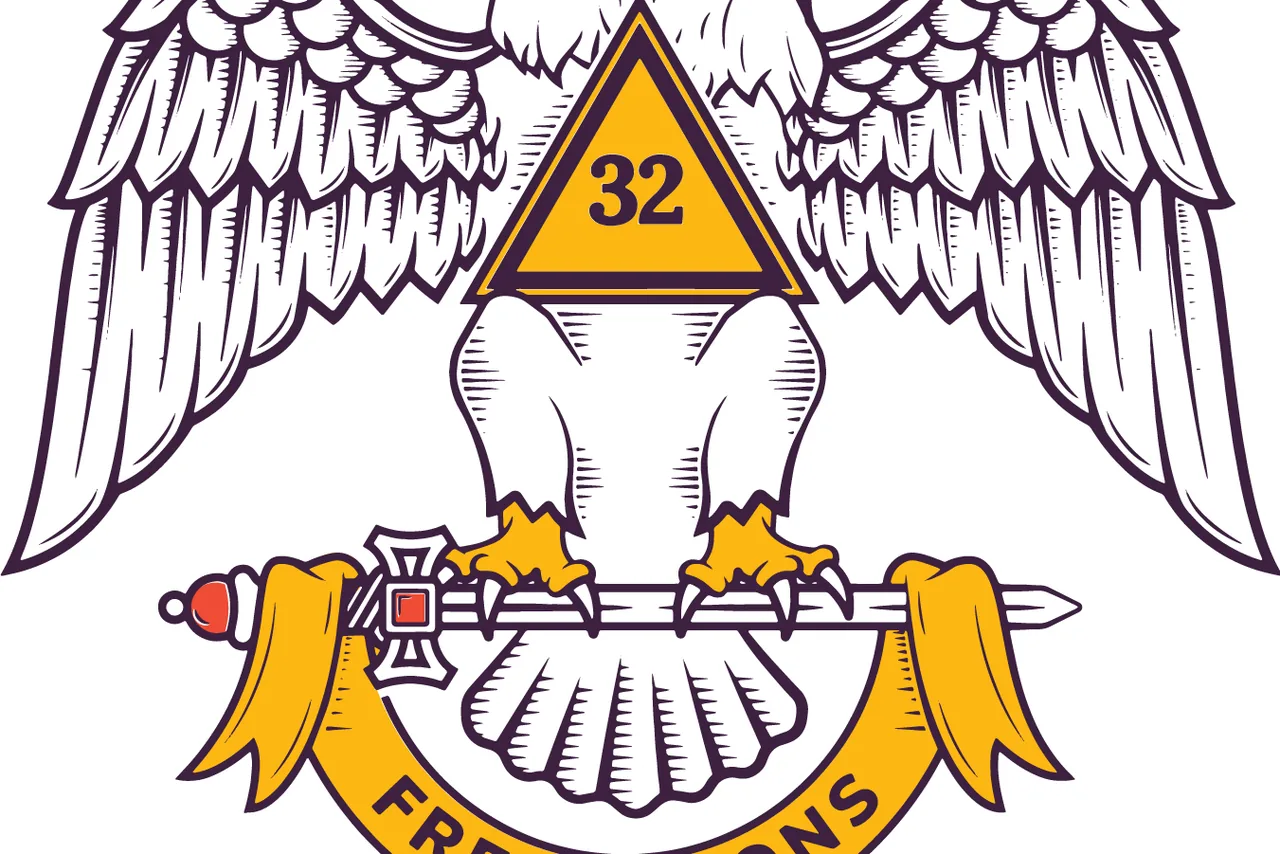
The Double-Headed Eagle
Two heads, one body — the eagle that watches both worlds at once.
Also fraternal-masonic
Attributed Masonic -
fraternal-masonic
The Letter G
One letter suspended at the heart of the world's most recognizable initiatic emblem.
Also fraternal-masonic
Attributed Masonic
Share this specimen
ANAMNESIS
A builder's toolkit, read as a diagram for building the self.
The Square and Compasses