
Original diagram — ANAMNESIS · CC0
solar-astro
The Solar Cross
The first cross was the sun's path through the year.
AttributedDocumented origin
An equal-armed cross enclosed in a circle is among the oldest recurring motifs in human art, carved on Bronze Age European artifacts and prehistoric rock faces. Scholars widely read it as an image of the sun and the solar year, its four arms marking the year’s turning points — the two solstices and two equinoxes. The same wheel-cross recurs across cultures with no contact between them, wherever people watched the sky and divided the year by what they saw.
The reading
Jordan Maxwell reads the wheel-cross as the original cross: the sun’s annual path traced through the band of the zodiac, its cardinal points fixed at the equinoxes and solstices. Santos Bonacci’s syncretism follows the same line — the “crossing” is the sun crossing the celestial equator, and the later religious cross inherits that solar geometry. In this reading the figure is a calendar before it is ever a creed.
Where it hides today
Once you see it, it is everywhere the year is marked: the Celtic high cross, the haloed disk behind a saint’s head, the roundel on a car or a national flag, the vignette engraved on currency. The plainest geometry in the culture turns out to be a map of the sky.
Decoded by
- Jordan Maxwell
- Santos Bonacci
Where next
-
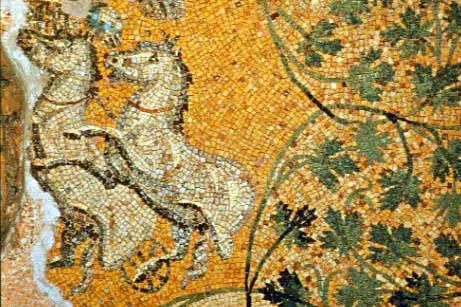
solar-astro
Sol Invictus / The Halo-Nimbus
The halo behind every saint is a disk of the sun.
Also solar-astro
Attributed Astro-Theology -
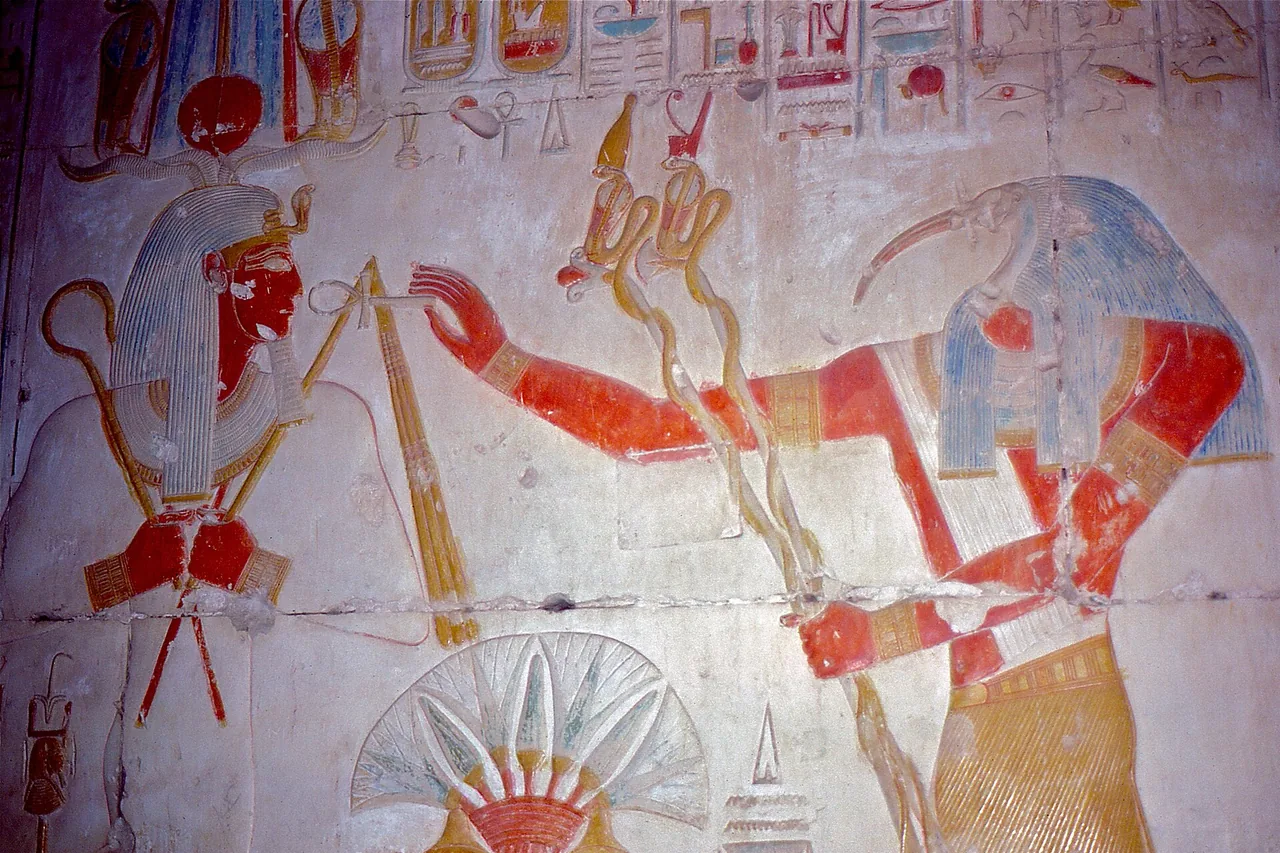
solar-astro
The Ankh
Egypt's word for life: a loop of sun rising over a cross.
Also solar-astro
Attributed Astro-Theology -
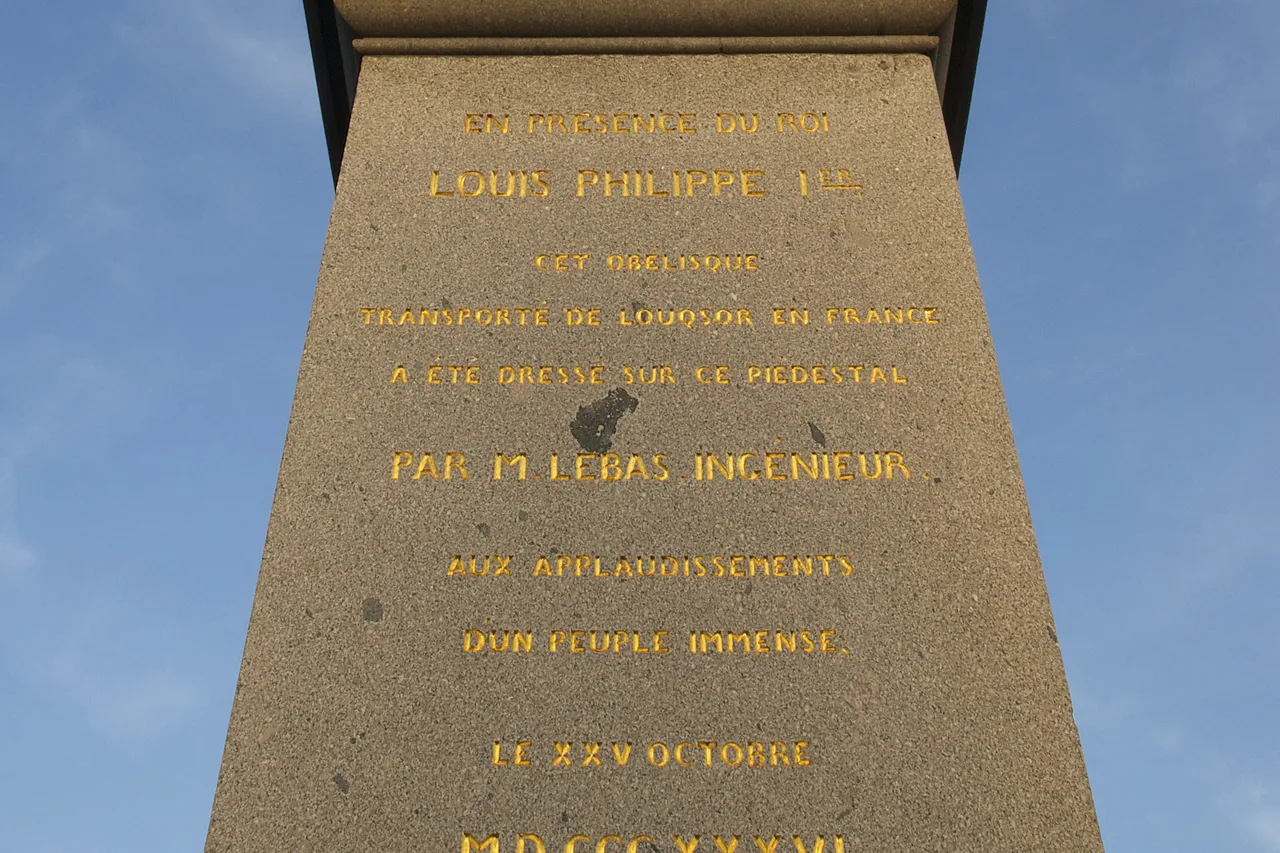
solar-astro
The Obelisk
A stone ray of sunlight, planted at the center of empire.
Also solar-astro
Attributed Astro-Theology -
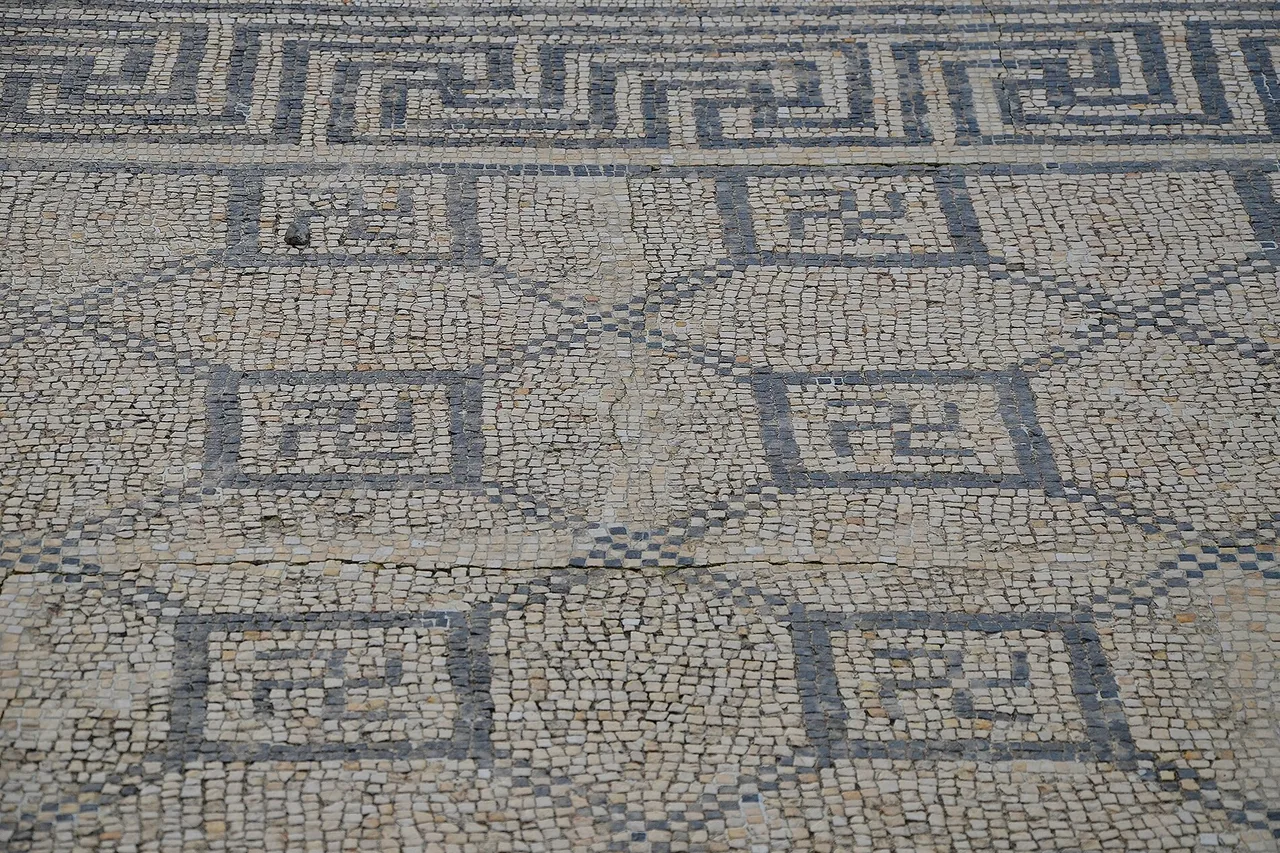
solar-astro
The Swastika
A 15,000-year solar wheel of good fortune, older than every flag.
Also solar-astro
Attributed Astro-Theology
Share this specimen
ANAMNESIS
The cross is older than the church — and it points at the sun.
The Solar Cross