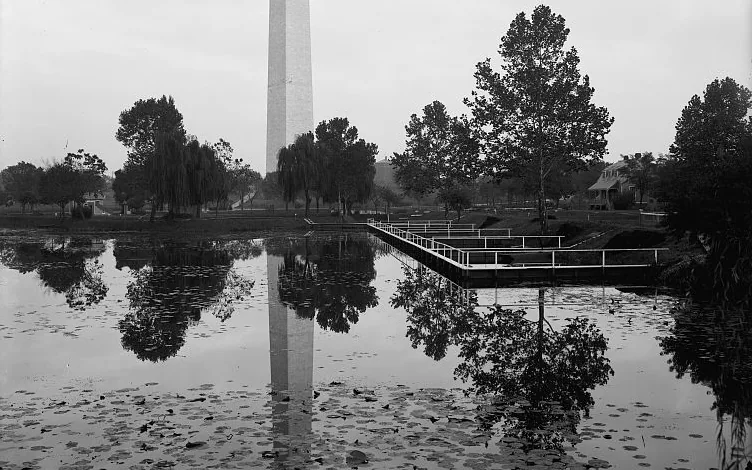
Detroit Photo · Wikimedia Commons · Public Domain
Casebook decode · The Washington Monument — a 555-foot white stone obelisk at the center of Washington, D.C.
The Washington Monument (Obelisk)
A petrified ray of the sun-god Ra, set at the solar center of the American capital.
The surface
The Washington Monument stands 555 feet 5⅛ inches tall — the tallest obelisk on earth. Architect Robert Mills drew the original design; construction ran from 1848 to 1884. A small aluminum-capped pyramidion crowns the shaft. The monument sits on a precise east-west axis with the Capitol and a north-south axis with the White House, at the geometric heart of Pierre Charles L’Enfant’s 1791 plan for the federal city.
The decode
Jordan Maxwell reads the Washington Monument as an Egyptian solar monument — not a civic tribute but a petrified ray of the sun-god Ra, transplanted from Heliopolis to the American capital. In Maxwell’s astrotheology framework the obelisk is a phallic emblem of Osiris and a solar point: its shadow marks the movement of the sun across the city below, and its placement at the intersection of the capital’s axes designates Washington, D.C. as a city laid out on solar-Masonic geometry. William Cooper taught the same reading — the obelisk as the “solar phallus,” the ancient pillar of the sun-cult set at the center of the nation’s power.
The symbol lineage
The obelisk is among the most precisely documented ancient religious forms. Egyptian tekhen obelisks stood in pairs at the entrance to temple precincts and were understood as “petrified sunbeams” — solidified rays of Ra, the solar deity of Heliopolis — linked to the Benben stone, the sacred pyramid-topped pillar of Ra’s cult at the City of the Sun. The form is explicitly solar: the pyramidion at the summit was sheathed in electrum to catch the first light of dawn and flash it outward. The washington-monument adopted this form in the 19th century during a documented wave of “Egyptomania” following Napoleon’s Egyptian campaign, which the Smithsonian Magazine records as the direct cultural context for Robert Mills’s design. The sun-cross encoded in the monument’s axial position — crossing the Capitol’s east-west axis with the White House’s north-south axis — places the solar pillar at the crossing-point of the plan, marking the capital as a solar-cross city, its center defined by the obelisk’s shadow.
The symbol lineage
Broken into its symbols
The artifact is a stack of inherited symbols. Scroll to lift each one out ↓
Who teaches this decode
- Jordan Maxwell
- William Cooper
Sources
Where next
-
civic-national
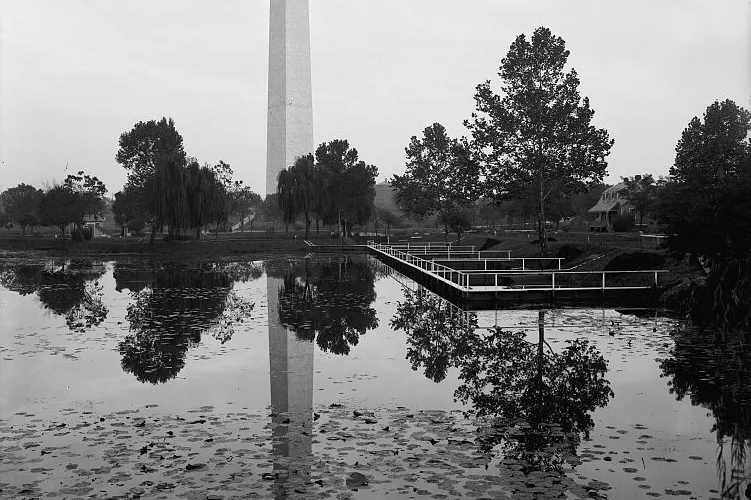
The Washington Monument
An Egyptian sun-pillar planted at the center of American power.
Related symbol
Attributed Astro-Theology -
solar-astro
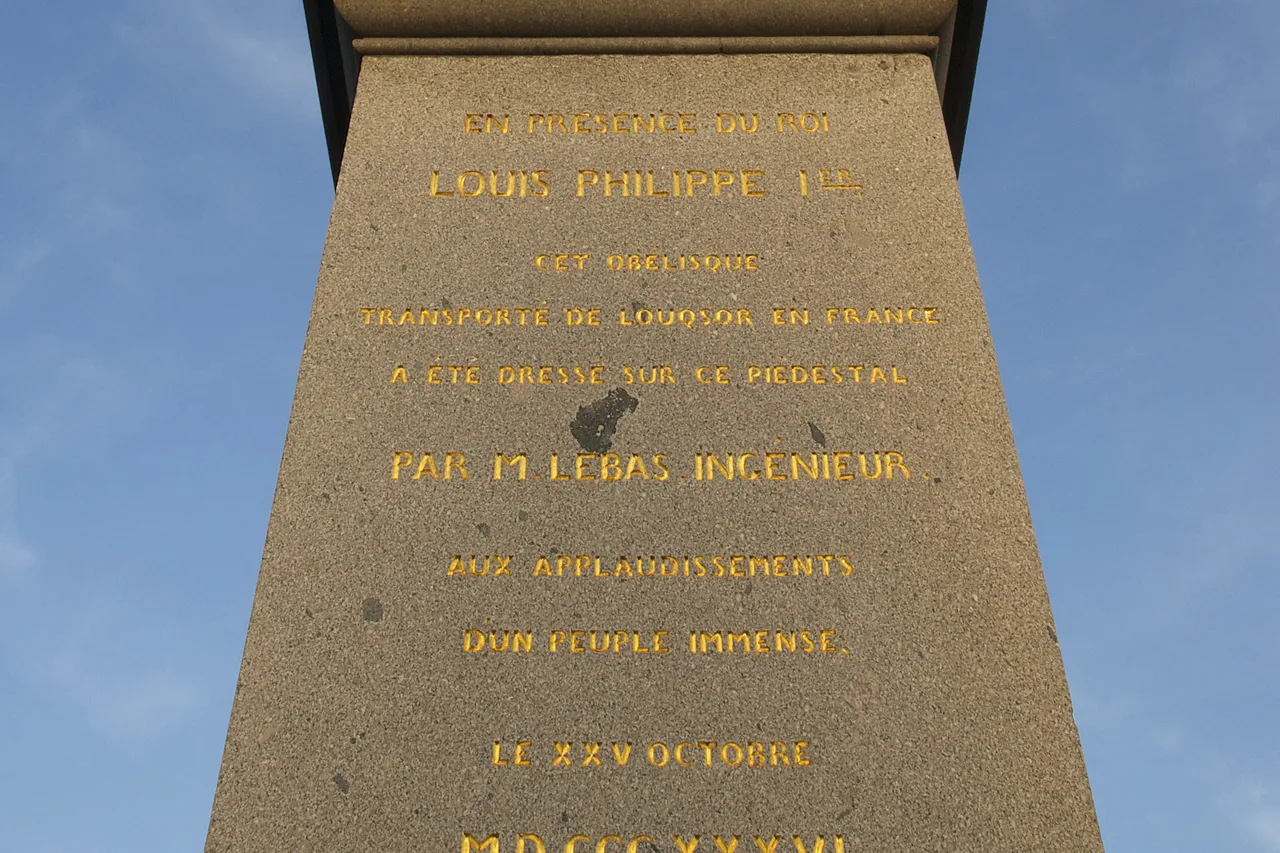
The Obelisk
A stone ray of sunlight, planted at the center of empire.
Related symbol
Attributed Astro-Theology -
solar-astro
The Solar Cross
The first cross was the sun's path through the year.
Related symbol
Attributed Astro-Theology
Share this decode
ANAMNESIS
Five-hundred-and-fifty-five feet of Egyptian solar theology, standing at the center of the capital — Maxwell reads it plainly.
The Washington Monument (Obelisk)