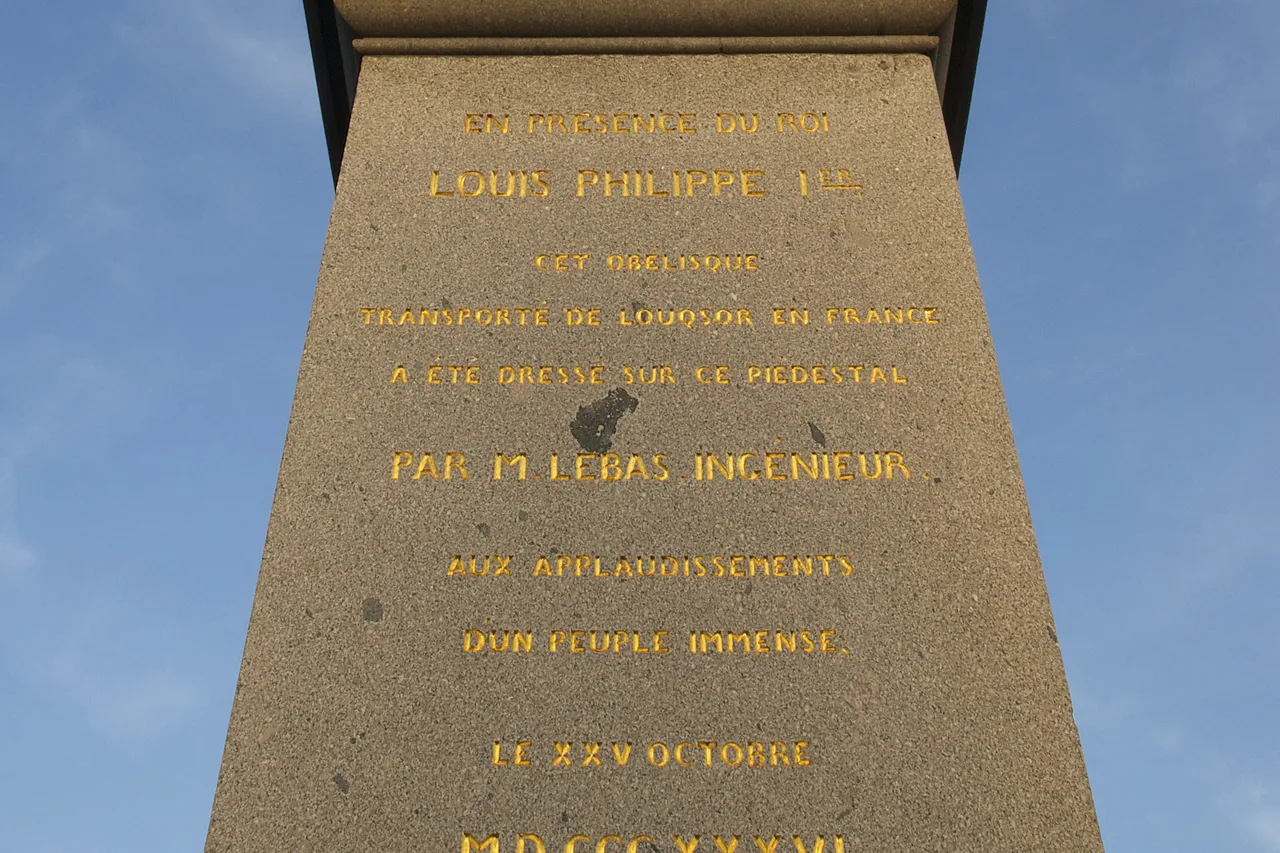
Jebulon · Wikimedia Commons · CC0
solar-astro
The Obelisk
A stone ray of sunlight, planted at the center of empire.
AttributedDocumented origin
The Egyptian obelisk is a monolithic tapering pillar of granite, sacred to the sun god Ra and associated with the benben stone of Heliopolis — the primordial mound where creation first rose from the waters. The pyramid-shaped tip, the pyramidion, was once sheathed in electrum to catch and throw back the first light of morning. Beginning in the Ptolemaic period and accelerating under Rome, obelisks were removed from their original temple sites and re-erected across the empire: Rome received more than a dozen, establishing the pattern every later Western capital would follow.
The reading
In the astrotheology and symbol-control tradition, Jordan Maxwell reads the obelisk as a transplanted Egyptian solar-phallic emblem — the sun god’s generative force made into stone and planted at the ritual center of whatever power wished to inherit the ancient authority. William Cooper argued that these relocations were deliberate acts of symbolic possession: the pillar does not merely decorate the capital, it consecrates it. Michael Tsarion extends the reading to the architectural logic of the entire Western civic tradition.
Where it hides today
The Washington Monument is the tallest obelisk on earth. The Lateran Obelisk stands in Rome, the tallest surviving ancient obelisk. Cleopatra’s Needles rise on the Thames Embankment, in Central Park, and on the Place de la Concorde. Every one of them was moved. Every one marks a seat of power that wanted to say: this city inherits Egypt.
Decoded by
- Jordan Maxwell
- William Cooper
- Michael Tsarion
Where next
-
solar-astro
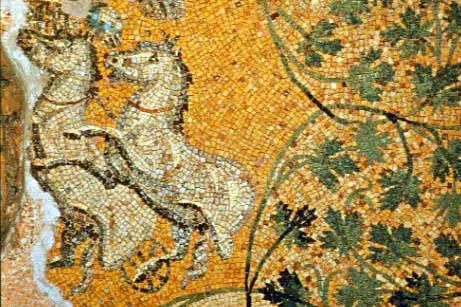
Sol Invictus / The Halo-Nimbus
The halo behind every saint is a disk of the sun.
Also solar-astro
Attributed Astro-Theology -
solar-astro
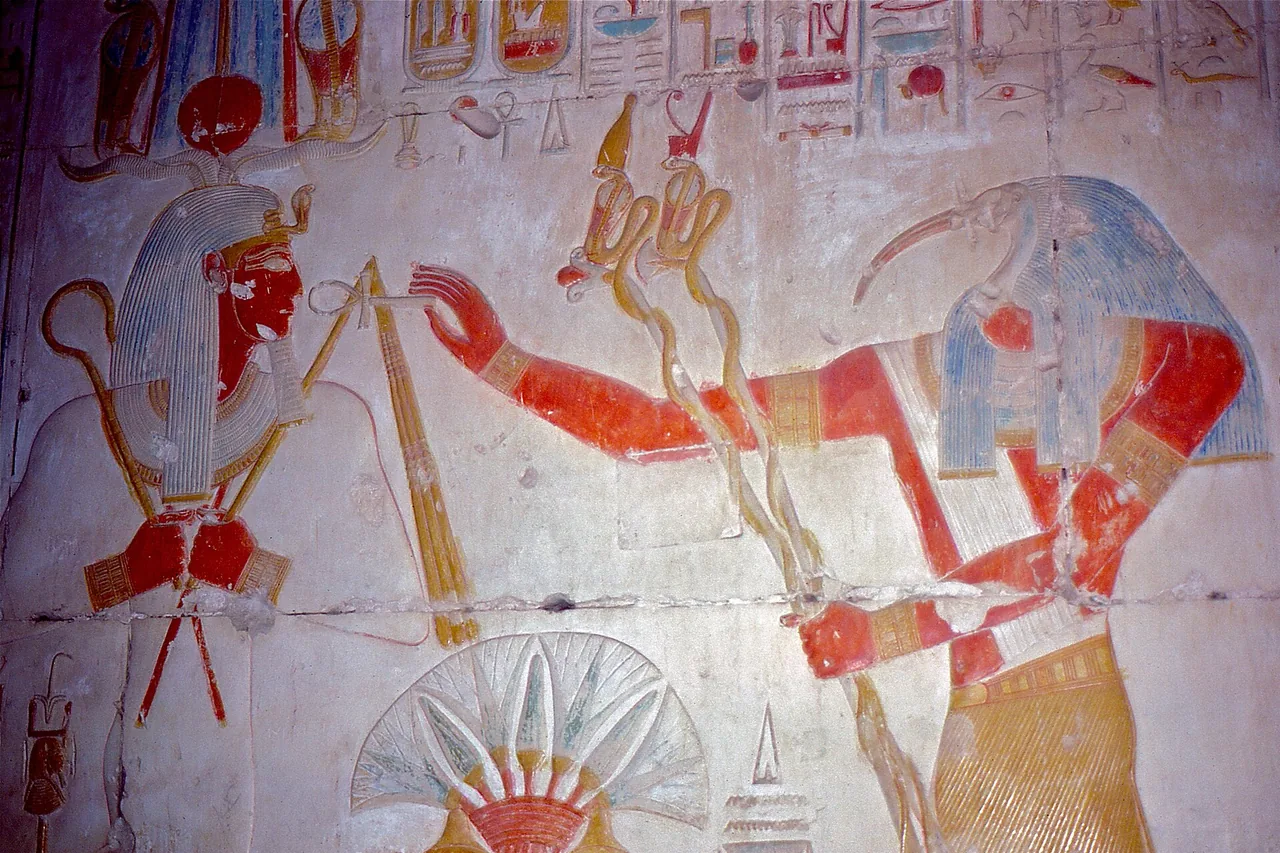
The Ankh
Egypt's word for life: a loop of sun rising over a cross.
Also solar-astro
Attributed Astro-Theology -
solar-astro
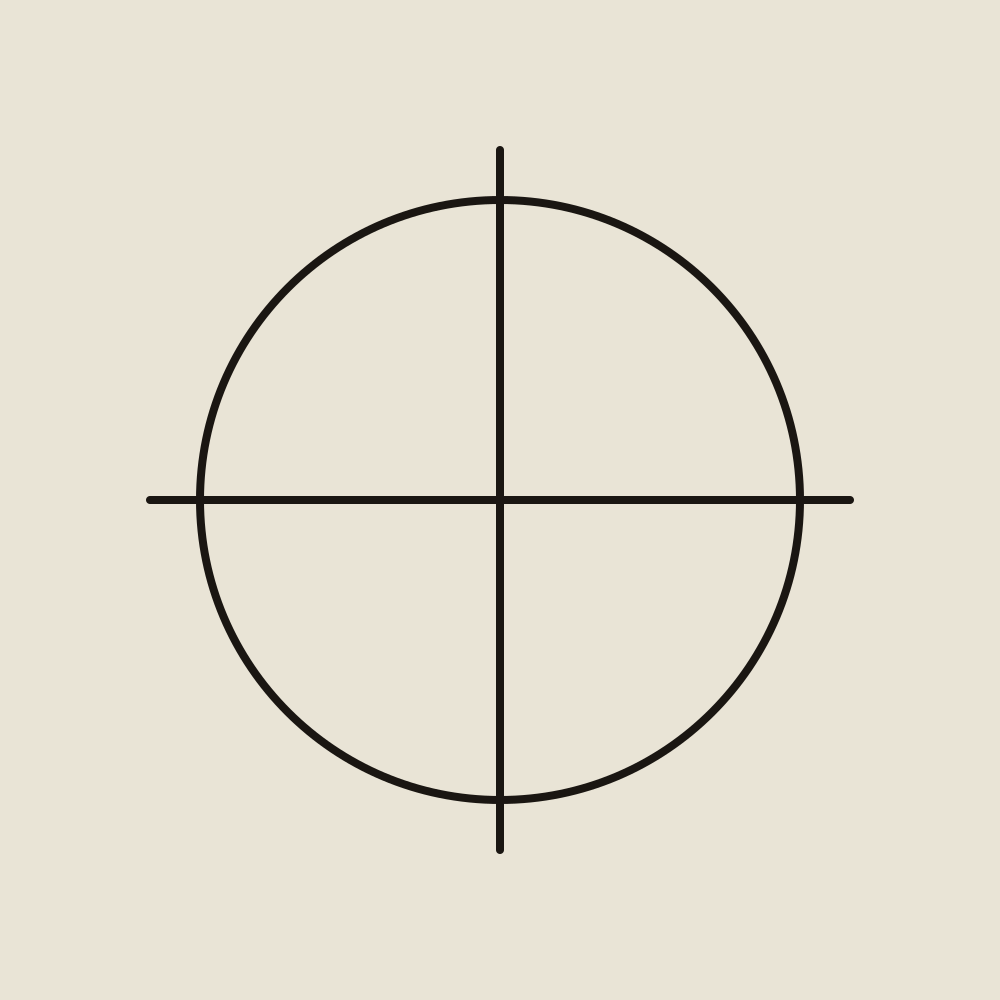
The Solar Cross
The first cross was the sun's path through the year.
Also solar-astro
Attributed Astro-Theology -
solar-astro
The Swastika
A 15,000-year solar wheel of good fortune, older than every flag.
Also solar-astro
Attributed Astro-Theology
Share this specimen
ANAMNESIS
Every world capital planted a stolen Egyptian sun-pillar at its heart.
The Obelisk