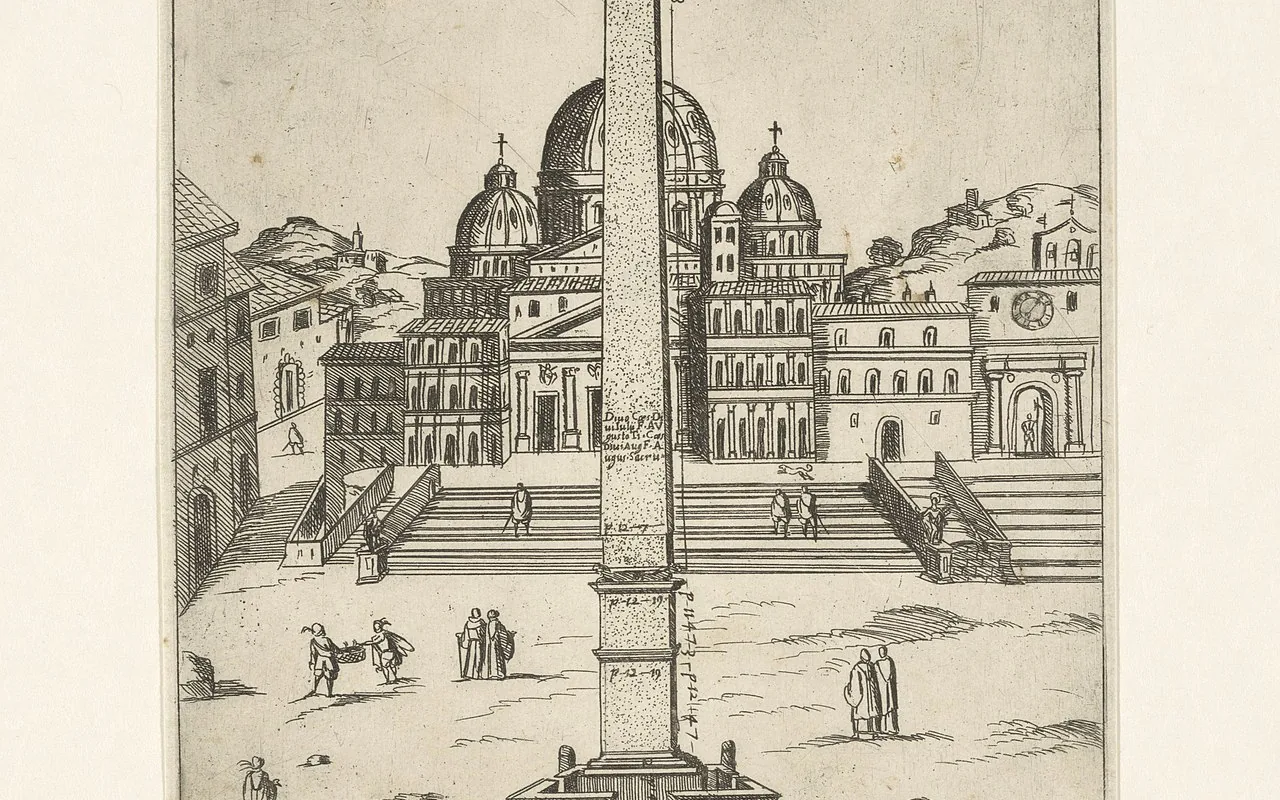
Rijksmuseum · Wikimedia Commons · CC0
Casebook decode · The Egyptian obelisk at the center of St. Peter's Square, Vatican City
The Vatican / St. Peter's Square Obelisk
The sun-god's pillar from Heliopolis stands at the heart of the world's largest Christian institution.
The surface
The obelisk at the center of St. Peter’s Square is 25.5 meters of red Egyptian granite, uninscribed — unusual for obelisks — and therefore dateable to its Egyptian quarrying but not to a specific pharaoh’s inscription. It was brought to Rome by Emperor Caligula in 37 AD to stand as the spine of his circus on the Vatican hill, the Circus of Nero, where tradition holds early Christians were martyred. Pope Sixtus V ordered it re-erected at the center of St. Peter’s Square in 1586; engineer Domenico Fontana accomplished the move. A bronze cross was mounted at its apex. The Vatican proclaimed the formula “Christ Conquers.”
The decode
Jordan Maxwell reads the Vatican obelisk as precisely what it is at the level of origin: a monument of the Egyptian solar cult, quarried for Heliopolis — the “City of the Sun,” the center of Ra and Atum worship — and brought to stand now at the ceremonial heart of the world’s largest Christian institution. In Maxwell’s astrotheology framework this is not accidental continuity but institutional solar-cult lineage made visible: the sun-pillar of the old religion stands at the center of the new one, encircled by Bernini’s colonnade arms as by a sun-disc’s ring. Maxwell reads the cross at the top not as a cancellation of the symbol below but as its crowning — the institution claiming the solar point, not erasing it.
The symbol lineage
The obelisk is an ancient Egyptian solar monument, understood by Egyptians as a “petrified sunbeam” — the Benben stone in vertical form, the first ray of light that struck the primordial mound at Heliopolis. They stood in pairs at temple entrances, as solar markers, sacred to Ra. This particular obelisk originated at Heliopolis itself. The surrounding geometry deepens the reading: Bernini’s elliptical colonnade and its central axis form a sun-cross — the circle bisected, the solar wheel plan — so that the obelisk becomes the gnomon at the center of a vast stone sundial. At the apex, the bronze cross functions within the winged-sun-disk lineage: the solar point crowned and institutionally claimed, the same gesture that placed the golden capstone atop the pyramid, the falcon-disc over the temple gate. Each layer is documented; each belongs to an older visual grammar than the institution that inherited it.
The symbol lineage
Broken into its symbols
The artifact is a stack of inherited symbols. Scroll to lift each one out ↓
-
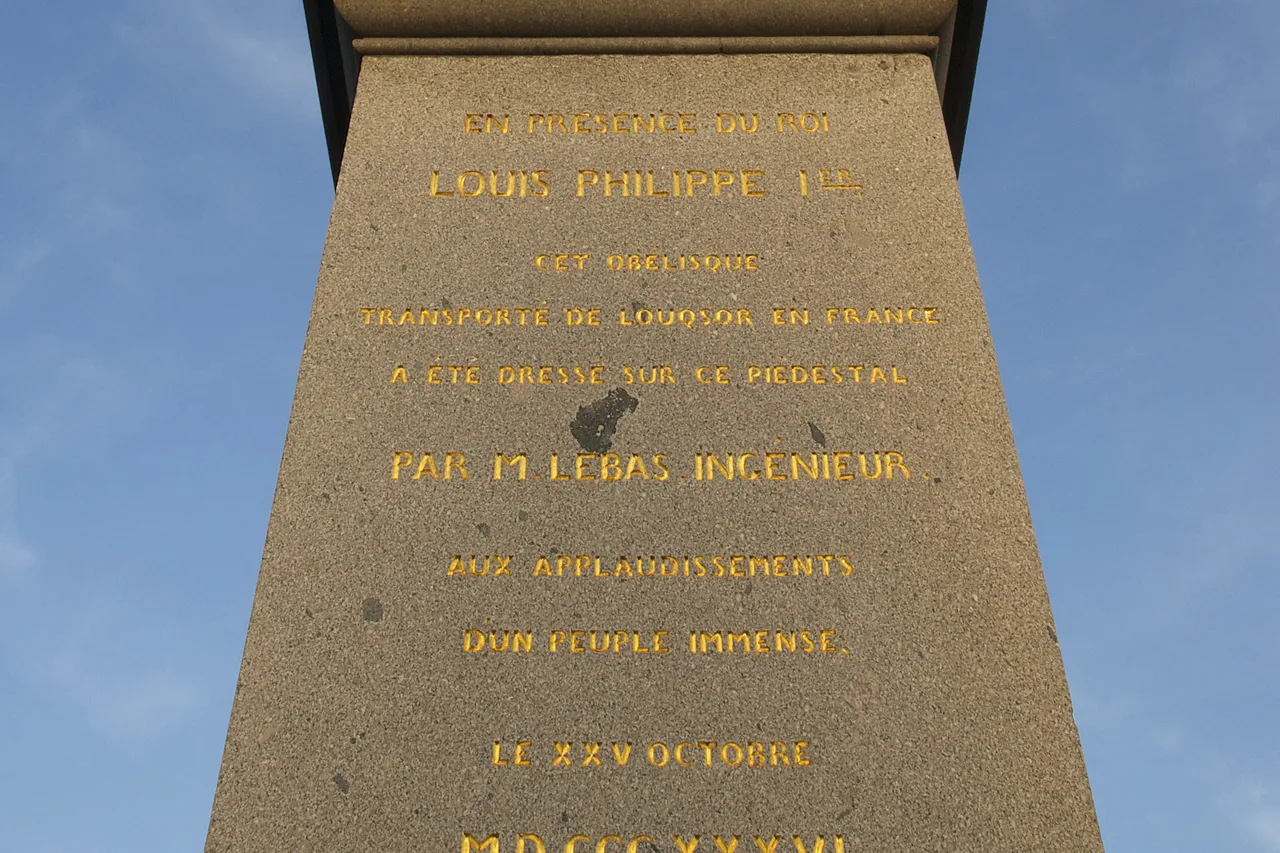 The Obelisk The solar pillar — a petrified sunbeam from the City of the Sun. In the Dictionary →
 -
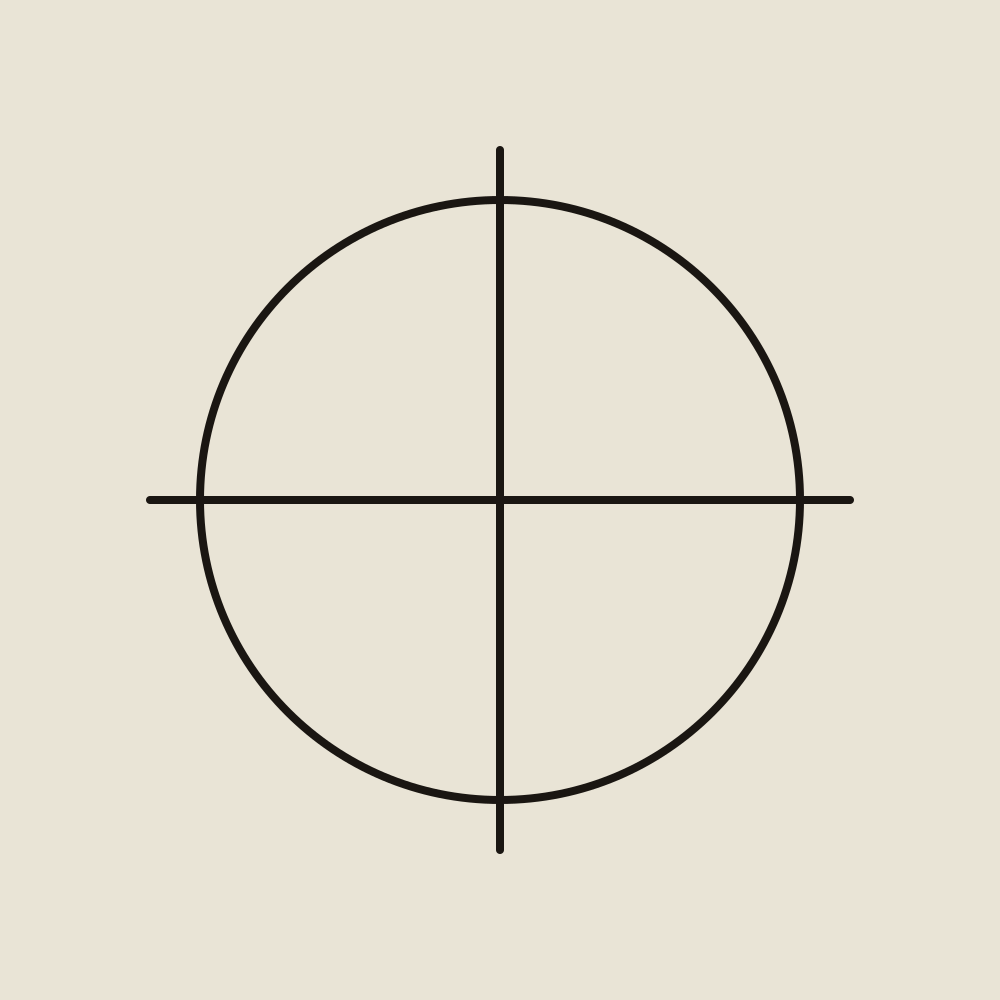 The Solar Cross The ellipse and cross of Bernini's colonnade — the sun-wheel below. In the Dictionary →
 -
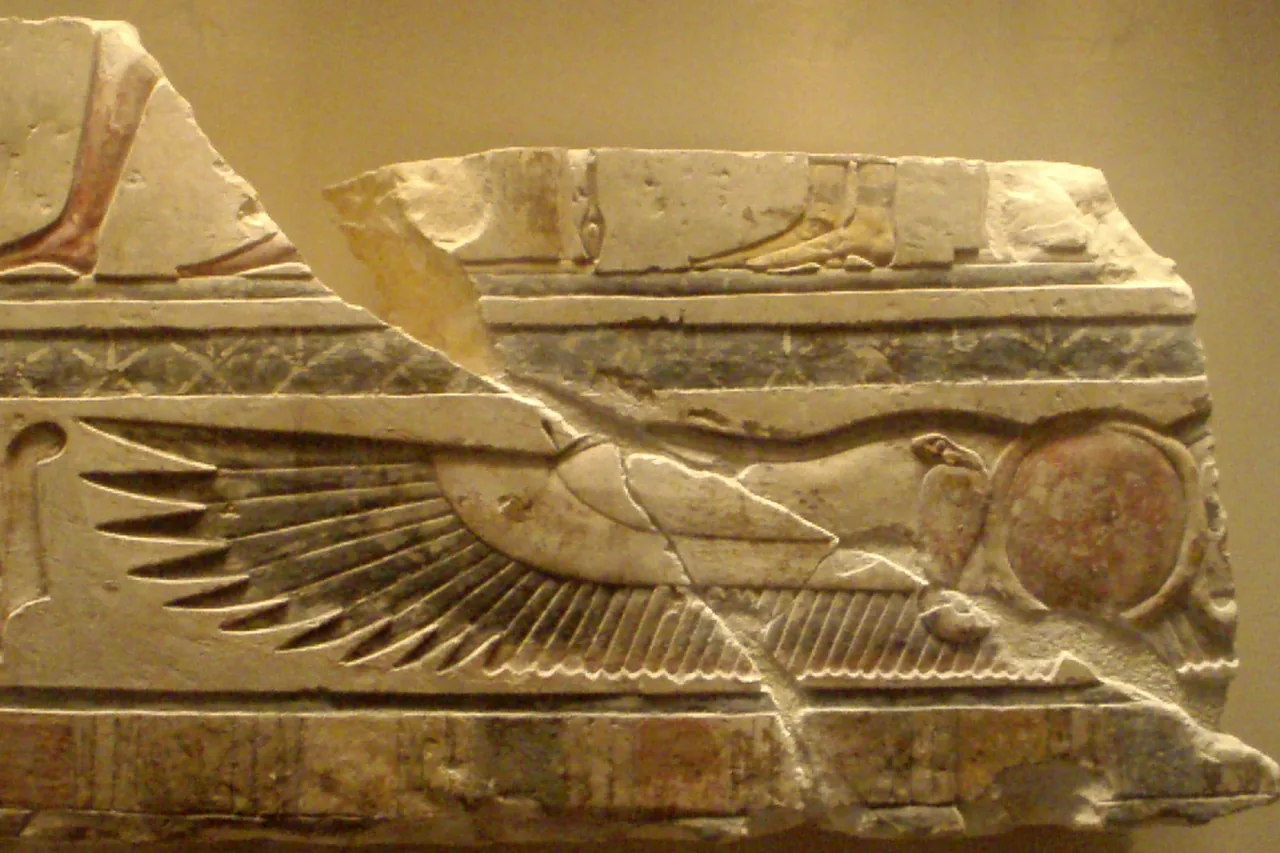 The Winged Sun Disk The bronze cross atop: solar apex crowned by the institution. In the Dictionary →
Who teaches this decode
- Jordan Maxwell
Sources
Where next
-
solar-astro
The Obelisk
A stone ray of sunlight, planted at the center of empire.
Related symbol
Attributed Astro-Theology -
solar-astro
The Solar Cross
The first cross was the sun's path through the year.
Related symbol
Attributed Astro-Theology -
solar-astro
The Winged Sun Disk
The sun given wings — the sky's supreme god, caught in flight.
Related symbol
Attributed Astro-Theology -

civic-national
The Washington Monument
An Egyptian sun-pillar planted at the center of American power.
Related symbol
Attributed Astro-Theology -
solar-astro
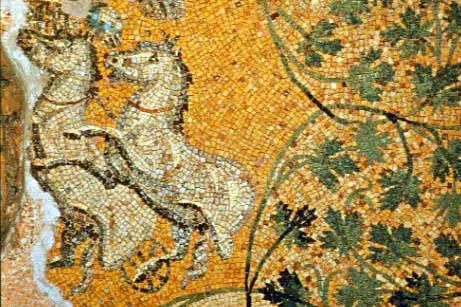
Sol Invictus / The Halo-Nimbus
The halo behind every saint is a disk of the sun.
Related symbol
Attributed Astro-Theology
Share this decode
ANAMNESIS
The obelisk at the center of St. Peter's Square was quarried for the sun-god Ra in the City of the Sun.
The Vatican / St. Peter's Square Obelisk