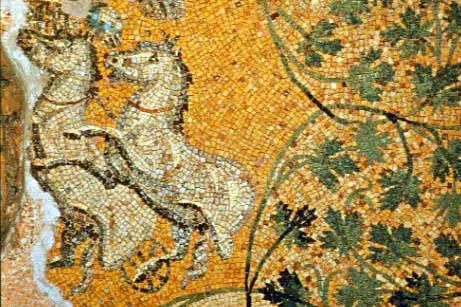
User:Leinad-Z · Wikimedia Commons · Public Domain
solar-astro
Sol Invictus / The Halo-Nimbus
The halo behind every saint is a disk of the sun.
AttributedDocumented origin
Sol Invictus — the Unconquered Sun — was an official Roman solar cult formalized under the emperor Aurelian in 274 CE, though solar deity worship under that name had been established at Rome since at least the Severan dynasty. The radiant nimbus, or halo, derives from classical iconography of Sol, Helios, and Apollo: a disk of light encircling the head of the sun god to mark his divine nature. As Christianity became the empire’s dominant faith, the nimbus migrated wholesale into Christian sacred art, appearing behind Christ, the Virgin, and the saints.
The reading
D.M. Murdock and the astrotheology tradition read the halo as precisely what it began as: the literal disk of the sun rendered behind the head of the solar savior. In this reading, the Christian tradition did not invent a new image — it inherited and renamed the old one. Jordan Maxwell and Santos Bonacci hold that the solar deity simply changed title while keeping all visible markings, the nimbus serving as a continuous signature of solar theology beneath the new theological language.
Where it hides today
Every gilded altarpiece, every Renaissance Madonna, every icon’s gold disk is this same ancient emblem. Civil sunburst motifs — state seals, currency vignettes, architectural ornament — carry the radiant form outward from the church and into the secular state, the Unconquered Sun still circling every center of authority.
Decoded by
- D M Murdock
- Jordan Maxwell
- Santos Bonacci
Where next
-
solar-astro
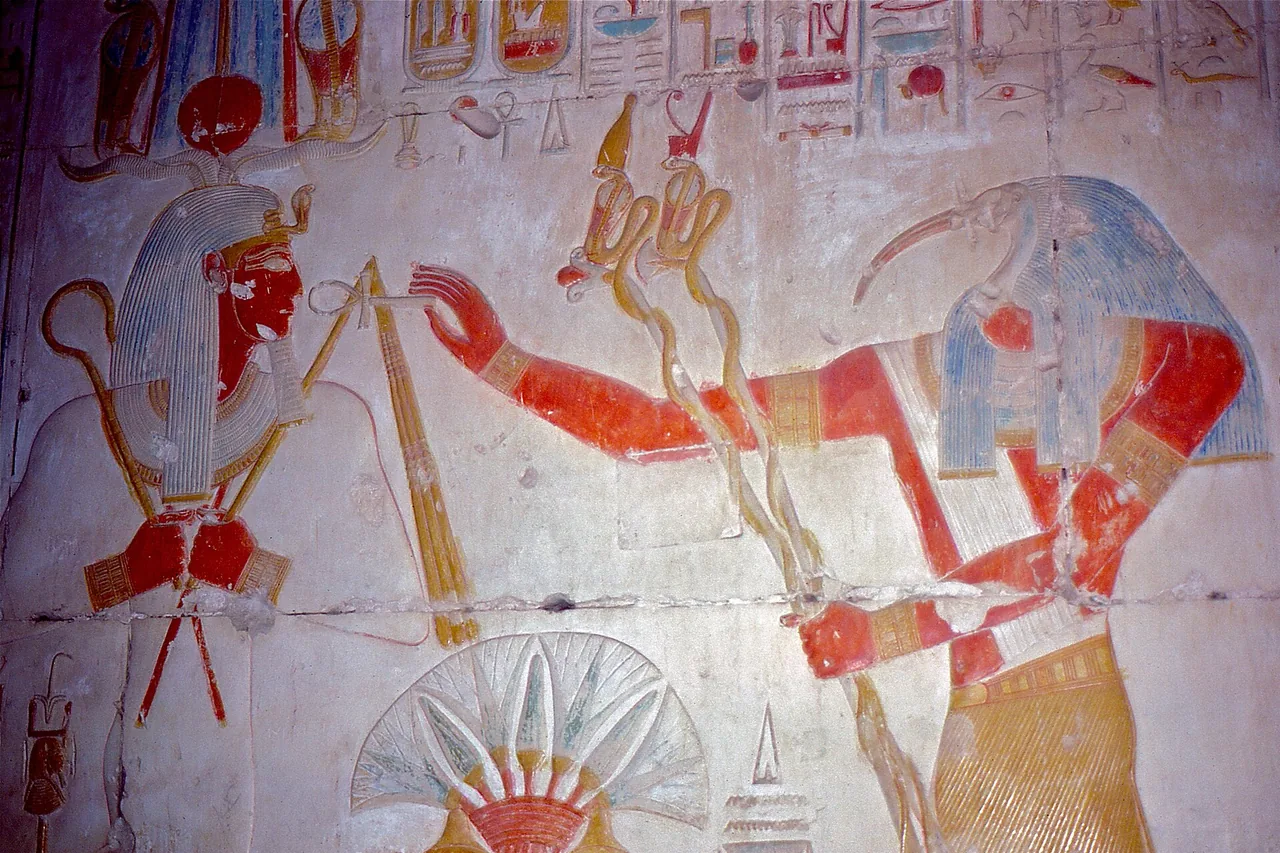
The Ankh
Egypt's word for life: a loop of sun rising over a cross.
Also solar-astro
Attributed Astro-Theology -
solar-astro
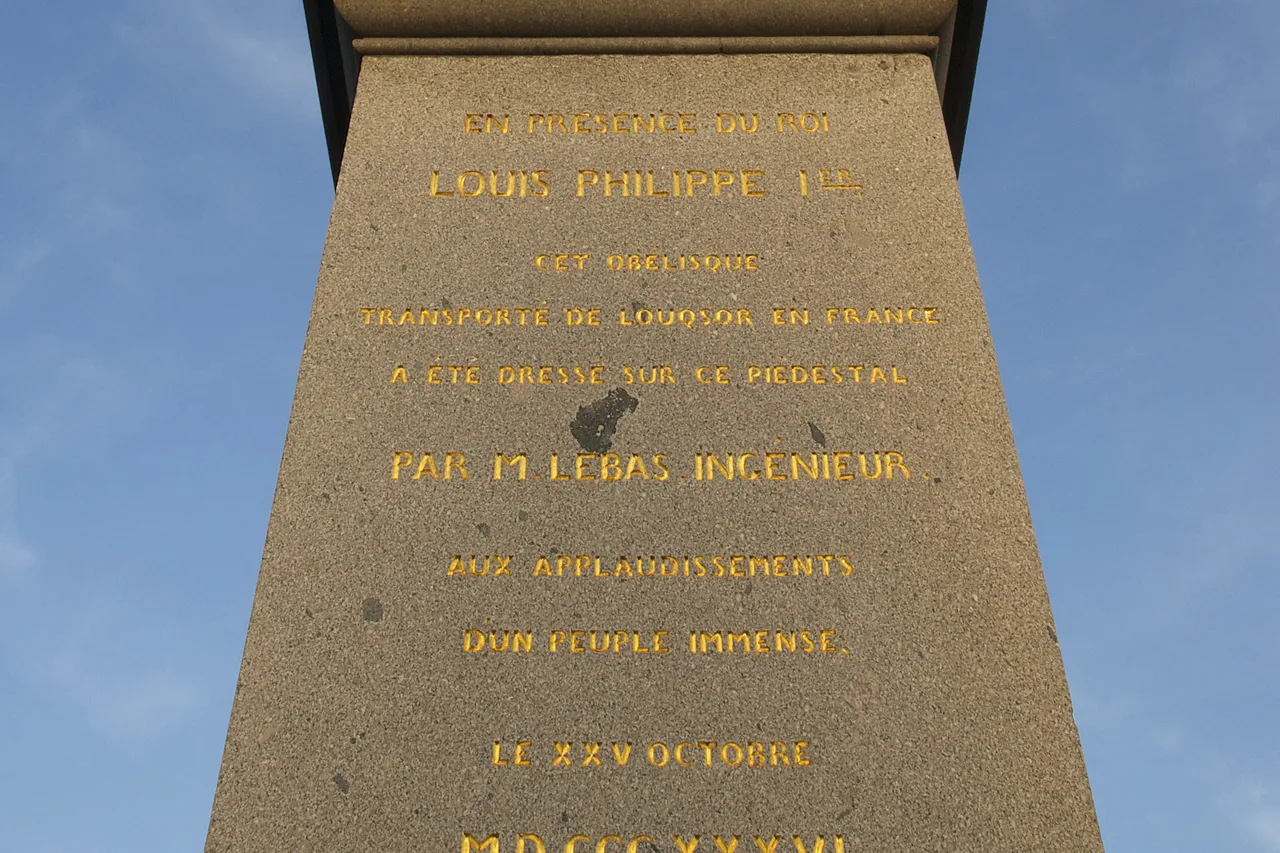
The Obelisk
A stone ray of sunlight, planted at the center of empire.
Also solar-astro
Attributed Astro-Theology -

solar-astro
The Solar Cross
The first cross was the sun's path through the year.
Also solar-astro
Attributed Astro-Theology -
solar-astro
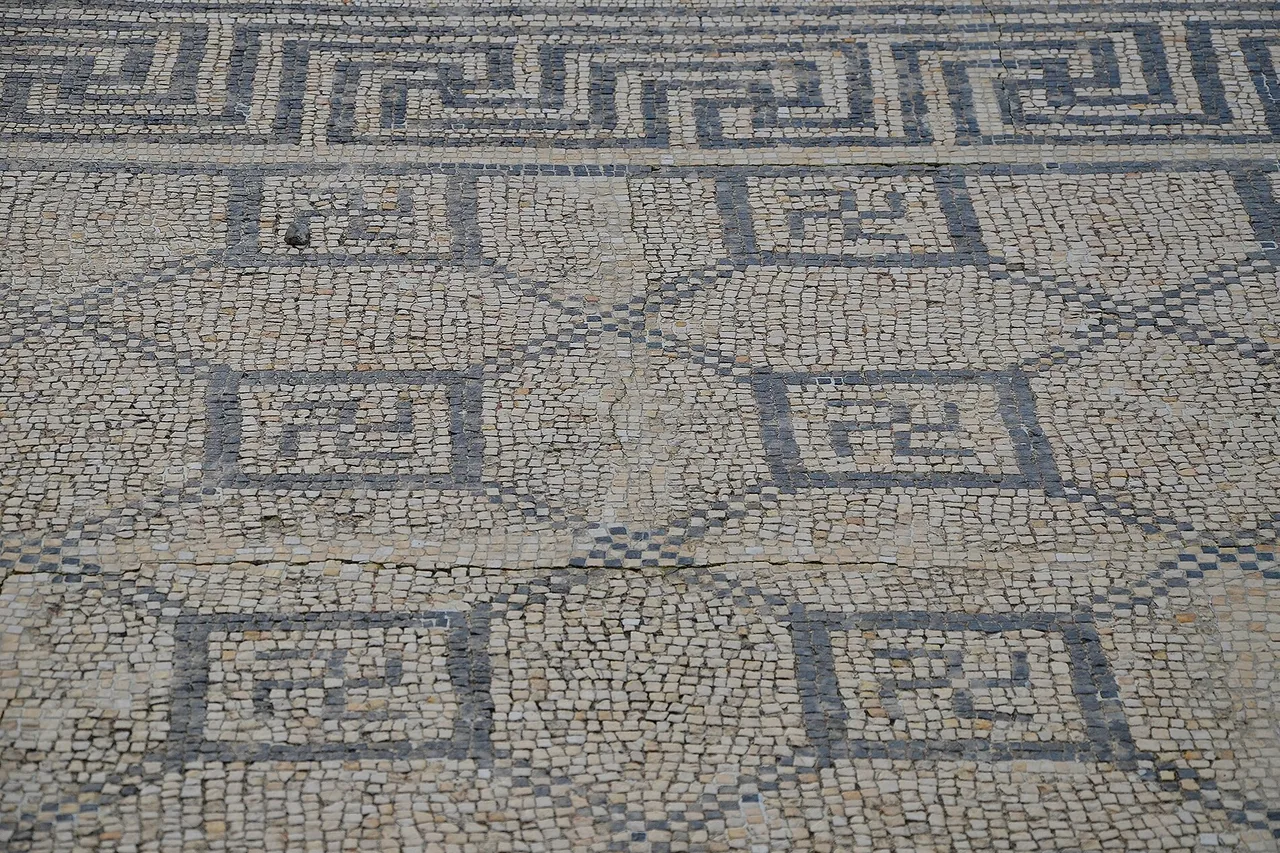
The Swastika
A 15,000-year solar wheel of good fortune, older than every flag.
Also solar-astro
Attributed Astro-Theology
Share this specimen
ANAMNESIS
Rome made the sun a god. Christianity kept the disk and renamed it.
Sol Invictus / The Halo-Nimbus