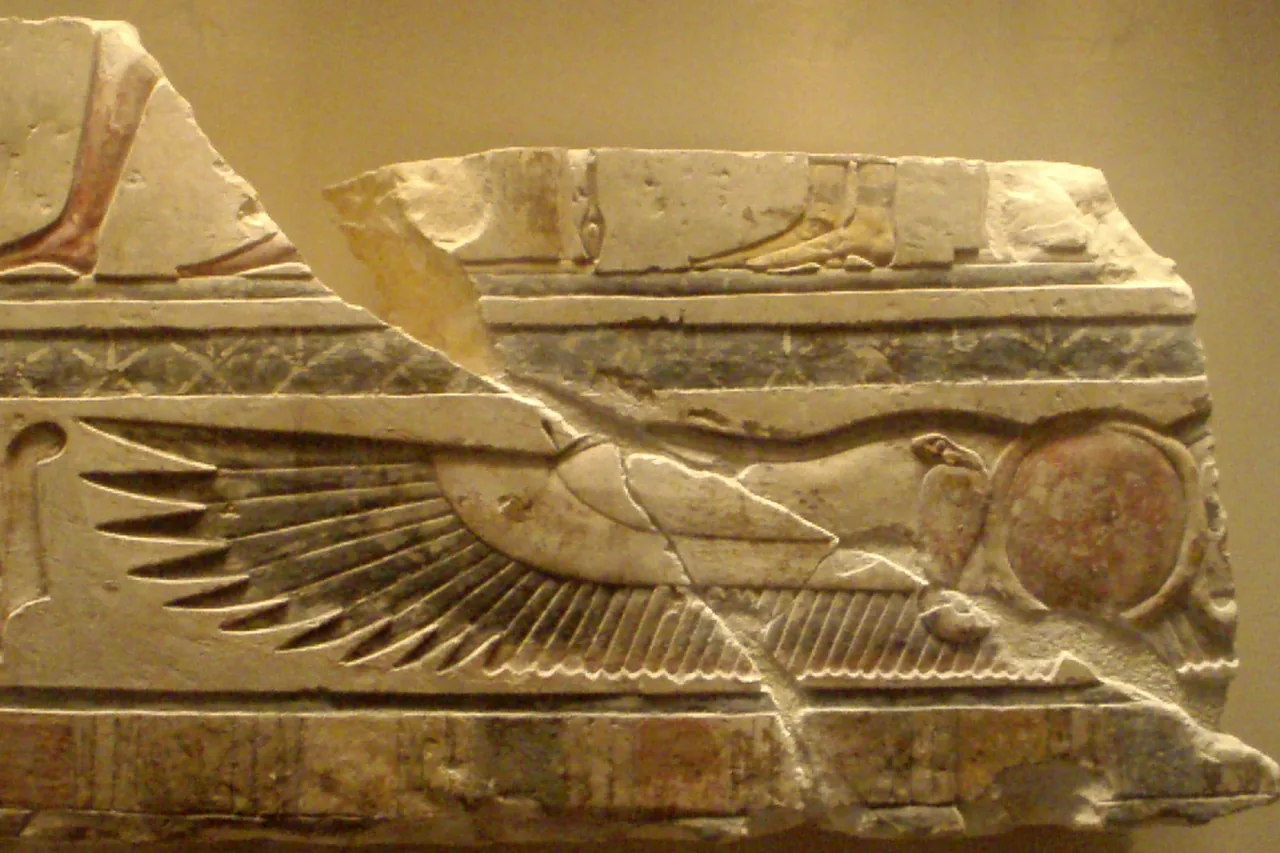
Keith Schengili-Roberts · Wikimedia Commons · CC BY-SA 2.5
solar-astro
The Winged Sun Disk
The sun given wings — the sky's supreme god, caught in flight.
AttributedDocumented origin
A sun disk flanked by outstretched falcon wings — often guarded by two uraeus serpents — appears in Egyptian monuments from the reign of Sneferu in the twenty-sixth century BCE. Associated with Horus of Behdet and later fused with Ra-Horakhty, it marked temple gateways and sarcophagi as the seal of royal solar protection. The motif spread across the ancient Near East: Assyrian, Anatolian, and Persian artists adopted and adapted it, giving rise to the Zoroastrian Faravahar still worn today as the symbol of Iran’s oldest faith.
The reading
In the astrotheology tradition, Jordan Maxwell reads the winged disk as the supreme emblem of the deified sun in motion — the visible god of the sky rendered in a single image that says simultaneously “divine,” “royal,” and “celestial.” Michael Tsarion traces its migration as evidence of a shared solar theology that preceded and outlasted each empire that carried it, the wings marking not one culture’s god but the universal principle of the ascending solar light.
Where it hides today
The Faravahar graces Iranian national identity and Zoroastrian ceremony worldwide. Masonic, Theosophical, and Rosicrucian imagery absorbed the form in the eighteenth and nineteenth centuries. Once you recognize the disk-and-wings, you find it pressed into the lintels of institutions that consider themselves heirs to ancient authority.
Decoded by
- Jordan Maxwell
- Michael Tsarion
- Manly P Hall
Where next
-
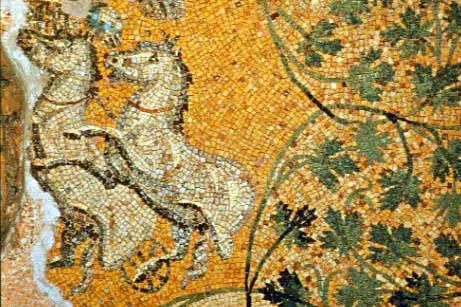
solar-astro
Sol Invictus / The Halo-Nimbus
The halo behind every saint is a disk of the sun.
Also solar-astro
Attributed Astro-Theology -
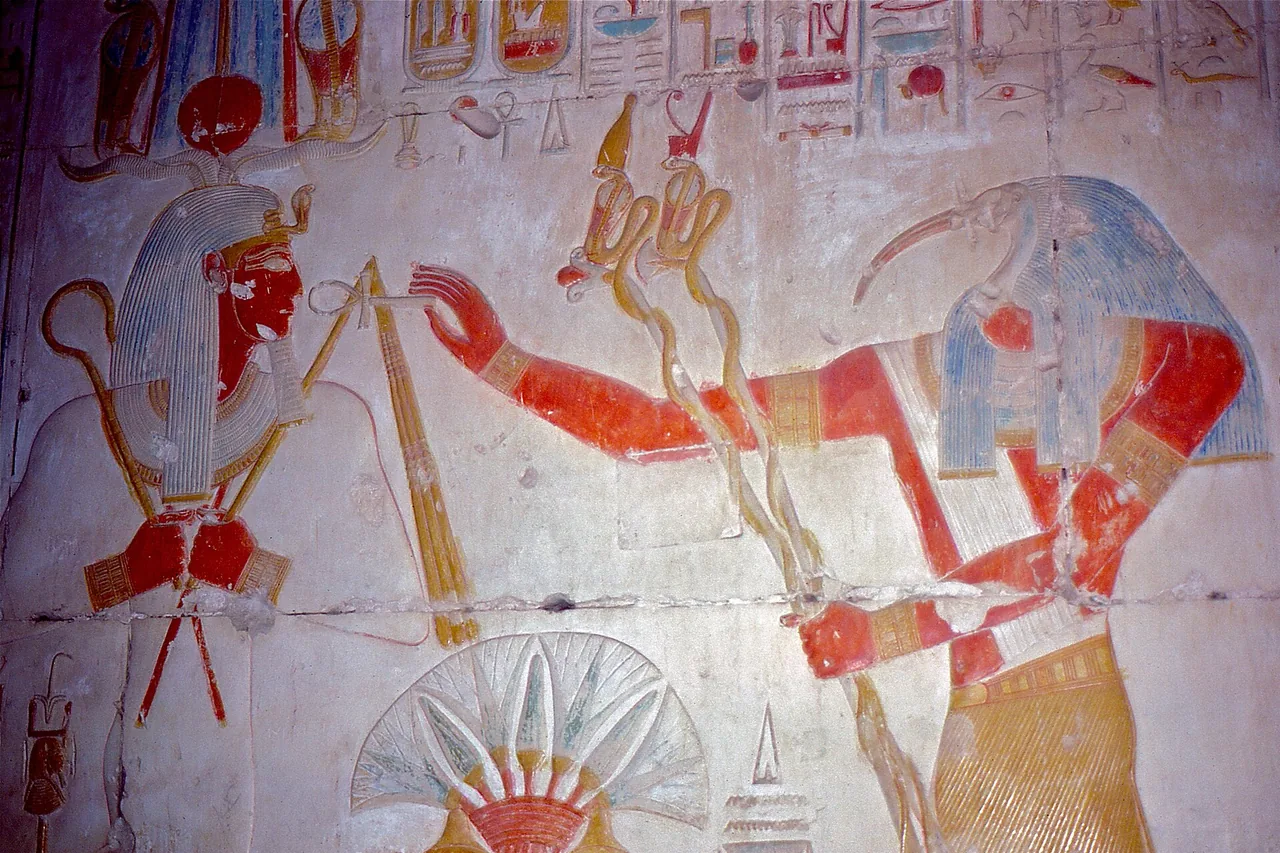
solar-astro
The Ankh
Egypt's word for life: a loop of sun rising over a cross.
Also solar-astro
Attributed Astro-Theology -
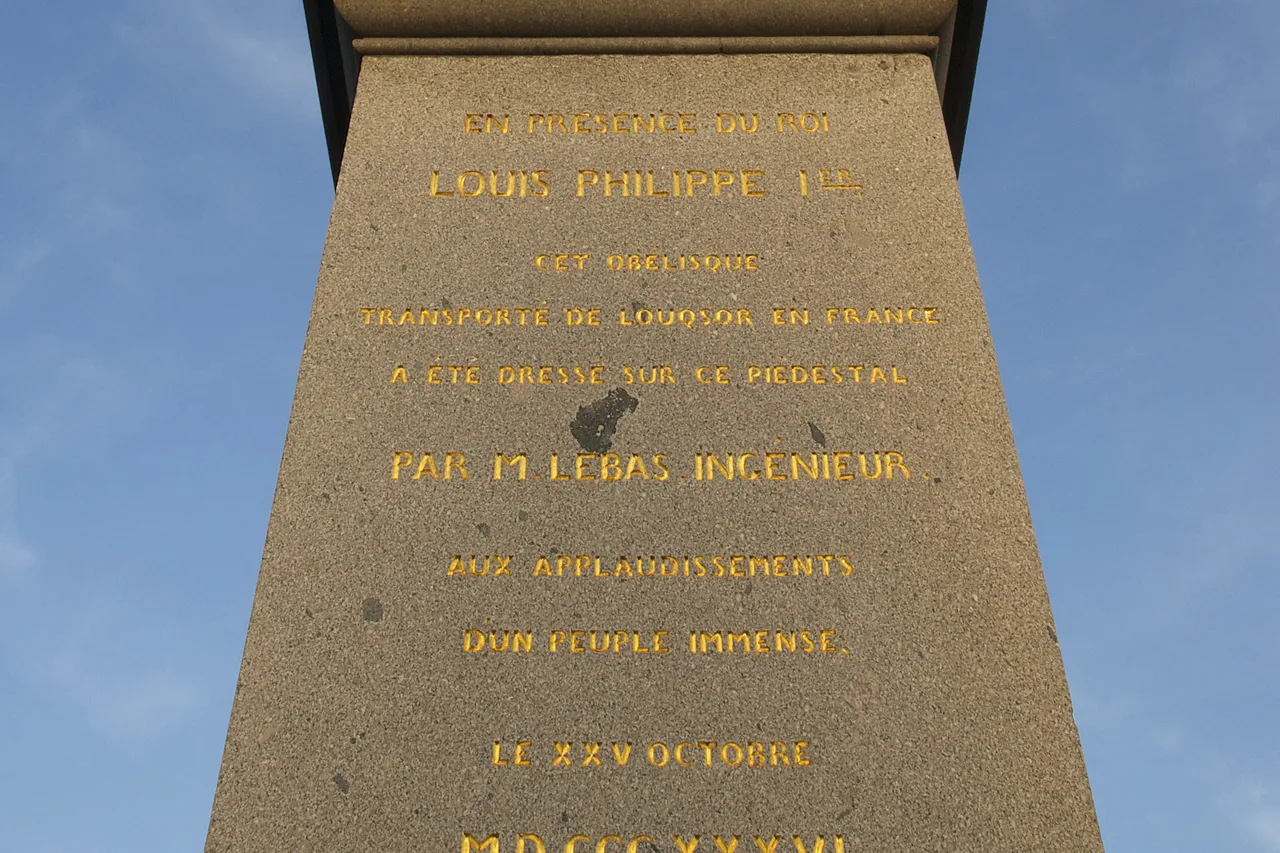
solar-astro
The Obelisk
A stone ray of sunlight, planted at the center of empire.
Also solar-astro
Attributed Astro-Theology -

solar-astro
The Solar Cross
The first cross was the sun's path through the year.
Also solar-astro
Attributed Astro-Theology
Share this specimen
ANAMNESIS
Egypt put wings on the sun. Every sky-god ever since borrowed those wings.
The Winged Sun Disk