Detroit Photo · Wikimedia Commons · Public Domain
civic-national
The Washington Monument
An Egyptian sun-pillar planted at the center of American power.
AttributedDocumented origin
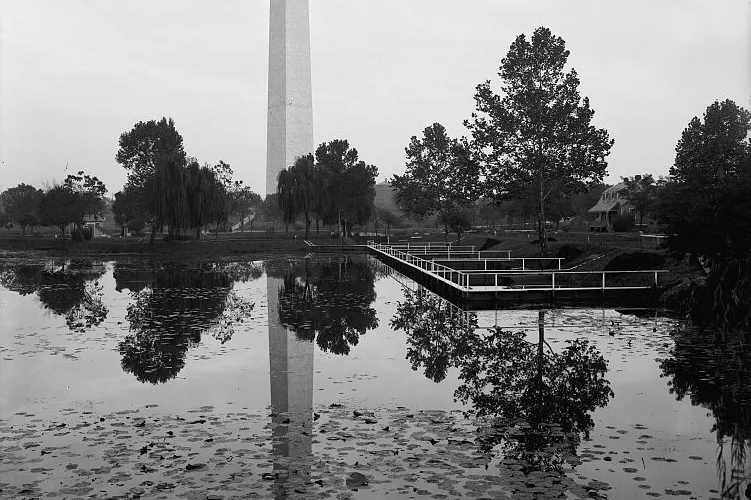
The Washington Monument is an Egyptian-revival obelisk, 555 feet tall, built of white Maryland marble, granite, and bluestone gneiss. Construction began in 1848, stalled through the Civil War, and completed in 1884 — making it, at that moment, the tallest structure on earth. The form is deliberately ancient: obelisks were Egyptian monoliths sacred to Ra, the sun god, associated with the benben stone of Heliopolis and understood as petrified rays of the solar body. Several original Egyptian obelisks had already been transported to Rome centuries before; the U.S. capitol built a new one of its own.
The reading
Jordan Maxwell reads the Washington Monument as a transplanted Egyptian solar-phallic emblem — the generative power of the sun god Ra planted at the ritual center of U.S. political authority, marking the capital the way Heliopolis and later Rome marked theirs. William Cooper taught that the obelisk was not an architectural accident or a designer’s whim but a deliberate statement of which tradition the new republic’s founders drew on. Michael Tsarion places it within a pattern: the Capitol dome (the feminine, the womb) paired with the obelisk (the masculine) in the same spatial relationship found in ancient sacred precincts.
Where it hides today
It stands in plain sight on the National Mall, reflected in the reflecting pool, visible from the air and from nearly every monumental angle in the capital. St. Peter’s Square in Rome, the Place de la Concorde in Paris, the Thames Embankment in London — every center of former empire plants the same pillar. Washington D.C. is the newest site of the oldest axis.
Decoded by
- Jordan Maxwell
- William Cooper
- Michael Tsarion
Appears in
Where next
-
civic-national
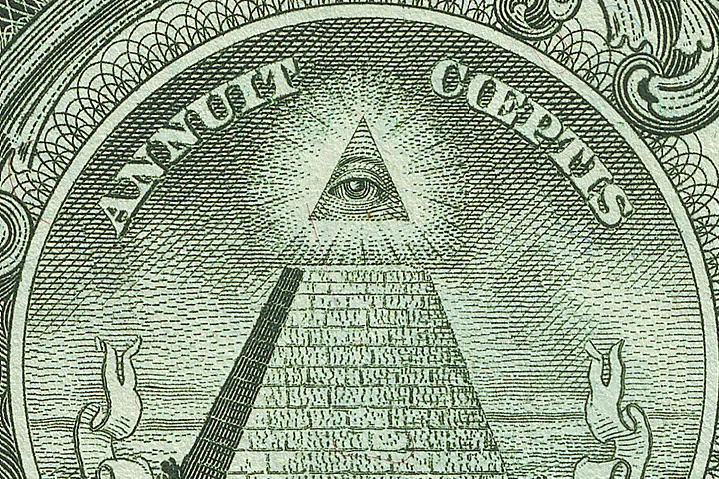
The All-Seeing Eye
The few who see, hidden on the money in your pocket.
Also civic-national
Attributed Civic-Solar -
civic-national
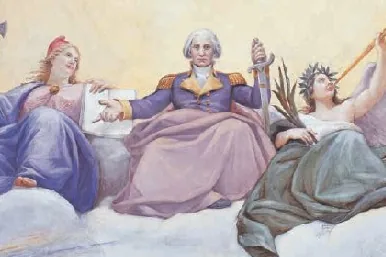
The Capitol Dome and the Apotheosis of Washington
The legislature's ceiling shows a president ascending to godhood.
Also civic-national
Attributed Civic-Solar -
civic-national
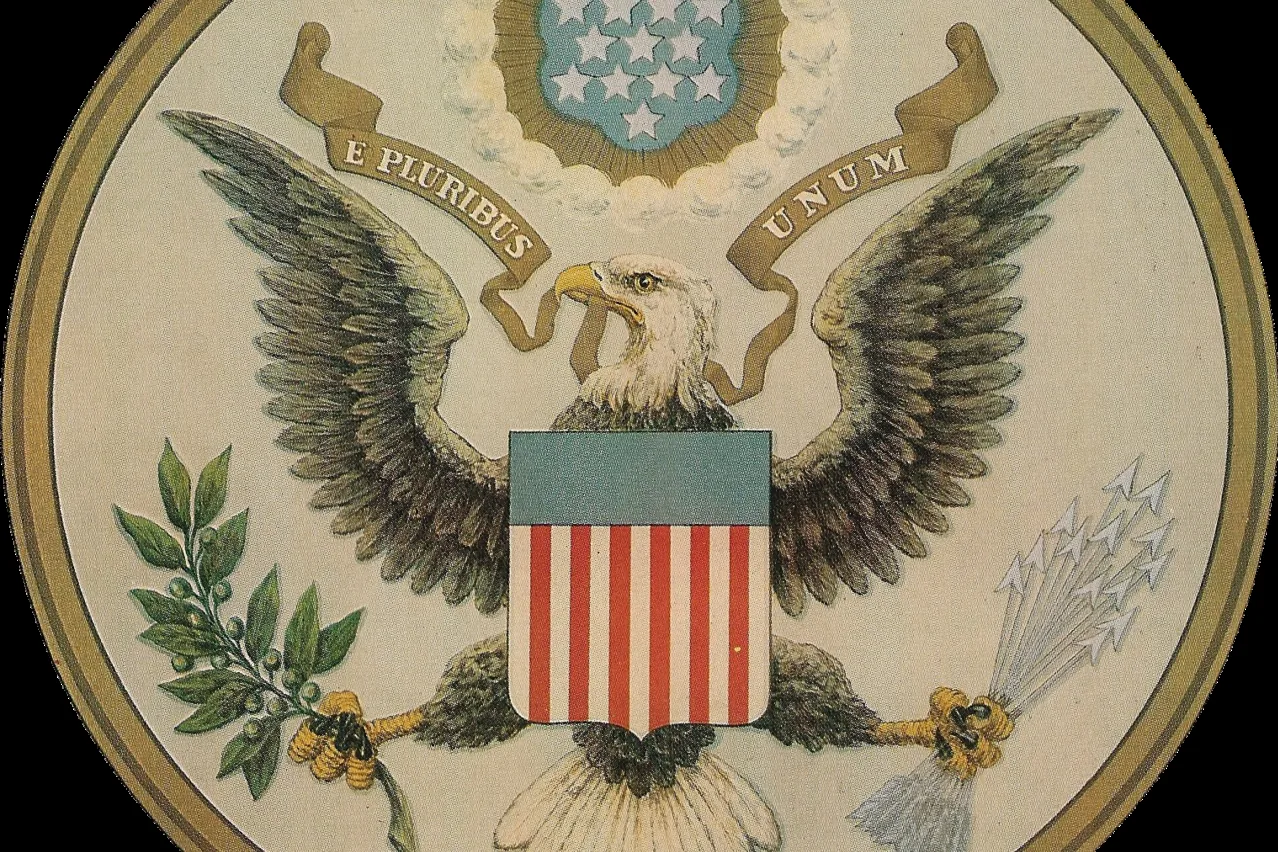
The Eagle as Phoenix
The most official bird in America, read as the phoenix in plain dress.
Also civic-national
Attributed Civic-Solar -
civic-national
The Fasces
Rome's bundle of rods and axe — coercive power, in plain sight.
Also civic-national
Attributed Civic-Solar
Share this specimen
ANAMNESIS
The tallest stone structure in America is an Egyptian sun-pillar.
The Washington Monument