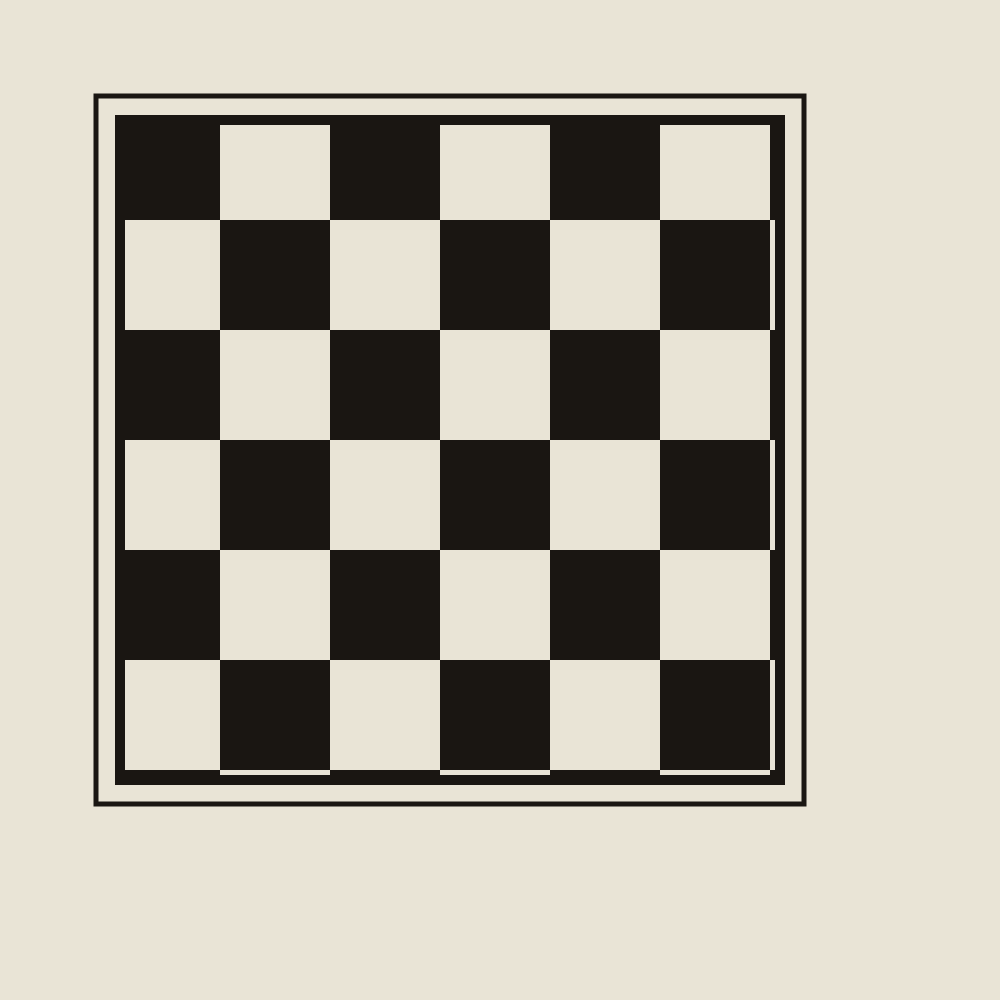
Original diagram — ANAMNESIS · CC0
fraternal-masonic
The Checkerboard Floor
Black and white squares underfoot — duality made literal in every lodge.
AttributedDocumented origin
The black-and-white tessellated floor of the Masonic lodge is described in Craft ritual as the “Mosaic Pavement,” said to represent the ground floor of King Solomon’s Temple. The alternating dark and light squares — like a chessboard — have been a feature of speculative Freemasonry’s lodge design since at least the 18th century, embedded in ritual instruction as one of the “ornaments of the lodge” alongside the blazing star and the indented border.
The reading
Mark Passio reads the checkerboard as the most open diagram of cosmic duality the tradition possesses — good and evil, light and dark, order and chaos, square and impartial beneath every standing human. The initiate walks this floor as a reminder that existence is structured opposition, and mastery means navigating it with clear eyes. Manly P. Hall reads the same pattern as the checkered ground of human life, joy and sorrow alternating with every step — neither side to be feared, both to be understood.
Where it hides today
It runs beneath ecclesiastical and civic halls, appears in Renaissance portraiture as a sign of learned setting, and recurs in fashion and graphic design as a shorthand for oppositional force. Wherever black and white squares alternate, the lodge’s oldest teaching about duality is already underfoot.
Decoded by
- Mark Passio
- Manly P Hall
- Jordan Maxwell
Where next
-

fraternal-masonic
The Blazing Star
The star at the center of the lodge floor is not decoration — it is the point.
Also fraternal-masonic
Attributed Masonic -
fraternal-masonic
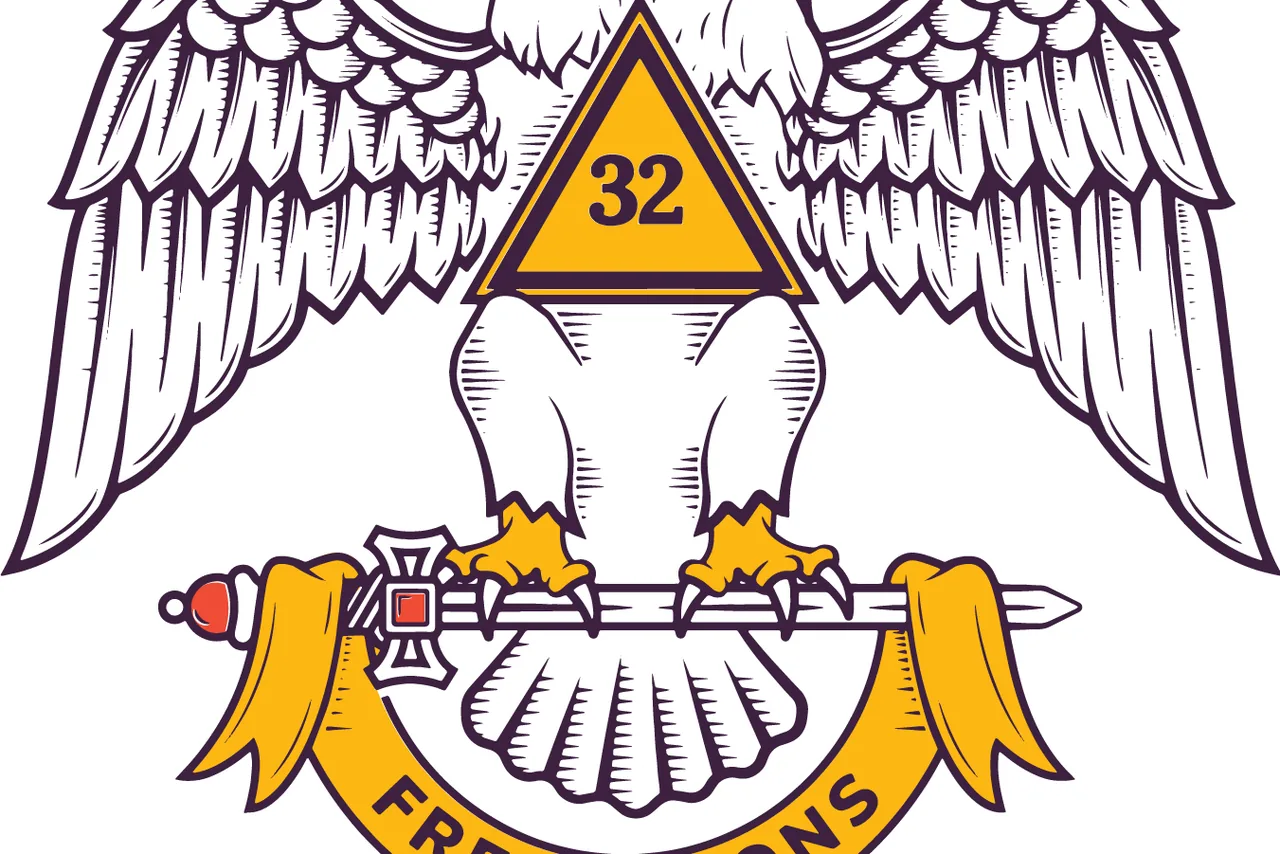
The Double-Headed Eagle
Two heads, one body — the eagle that watches both worlds at once.
Also fraternal-masonic
Attributed Masonic -
fraternal-masonic
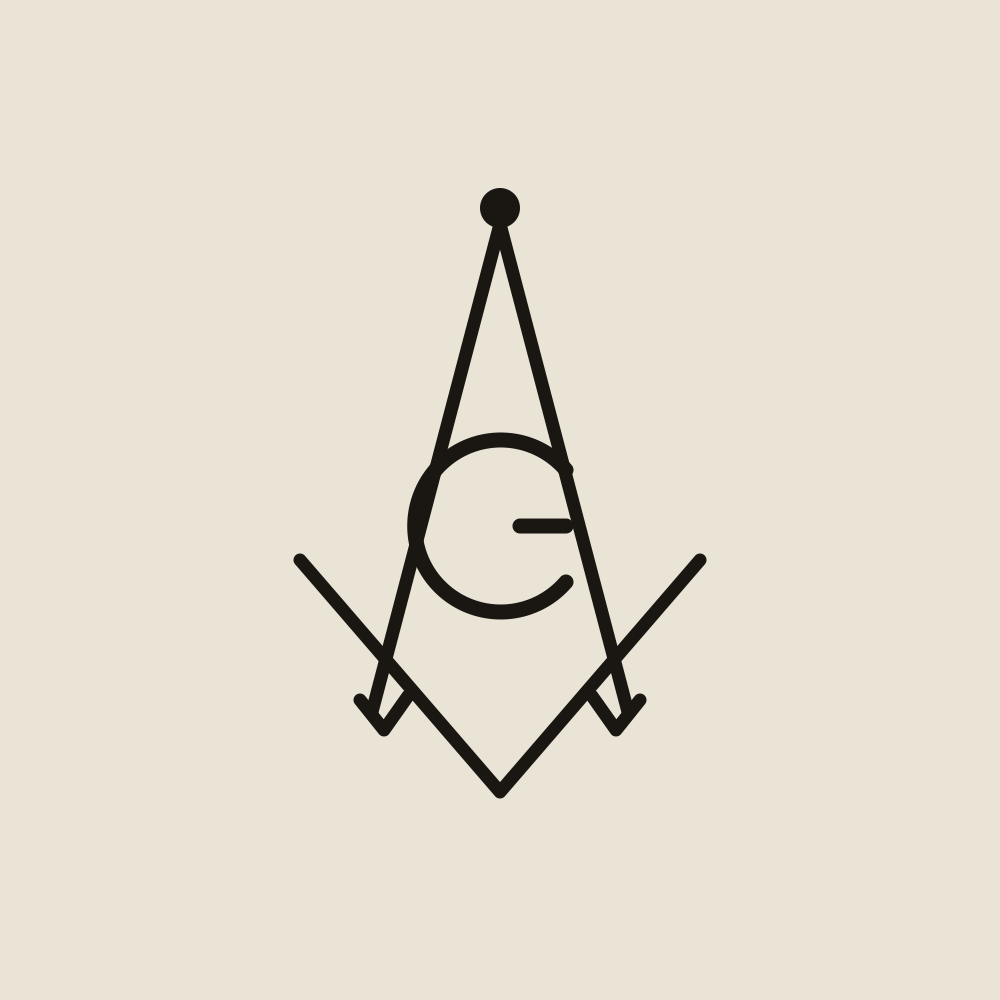
The Letter G
One letter suspended at the heart of the world's most recognizable initiatic emblem.
Also fraternal-masonic
Attributed Masonic -
fraternal-masonic
The Pillars Jachin and Boaz
Two bronze pillars at the temple door, flanking every Masonic lodge.
Also fraternal-masonic
Attributed Masonic
Share this specimen
ANAMNESIS
The floor you stand on in a lodge is a map of the universe.
The Checkerboard Floor