
Miscellaneous Items in High Demand, PPOC, Library of Congress · Wikimedia Commons · Public Domain
civic-national
The Statue of Liberty
The goddess in the harbor — Isis wearing a different name.
AttributedDocumented origin
Sculptor Frédéric-Auguste Bartholdi designed the statue and Gustave Eiffel engineered its iron armature; it was dedicated on October 28, 1886. Bartholdi modeled the figure on Libertas, the Roman goddess of freedom, and placed on her head a seven-rayed radiate crown — a form borrowed from solar iconography applied to the sun god Sol Invictus and the Colossus of Rhodes, not from antique representations of Libertas herself. She stands 305 feet at the torch tip, holds a law-tablet dated July IV MDCCLXXVI, and breaks a chain at her feet.
The reading
Jordan Maxwell reads the figure in New York Harbor not as a Roman abstraction but as the goddess Isis transplanted to the New World — the eternal feminine principle of illumination, her torch the flame of the mystery tradition brought to a new civilization. Michael Tsarion’s reading follows the same current: the radiate crown marks her as a solar deity, the torch is the light of esoteric knowledge, and “Columbia” (the nation’s own female personification) is another mask on the same face — Isis, Libertas, Columbia, one goddess, many harbors.
Where it hides today
She stands in every harbor in miniature: the Columbia Pictures torch-bearer opens each film; she graces quarters, stamps, and bond certificates; Libertas with her torch illuminates courthouses and state seals across the country. The goddess never left — she just changed her paperwork.
Decoded by
- Jordan Maxwell
- Michael Tsarion
Where next
-

civic-national
The All-Seeing Eye
The few who see, hidden on the money in your pocket.
Also civic-national
Attributed Civic-Solar -
civic-national
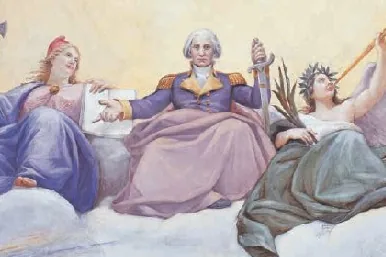
The Capitol Dome and the Apotheosis of Washington
The legislature's ceiling shows a president ascending to godhood.
Also civic-national
Attributed Civic-Solar -
civic-national
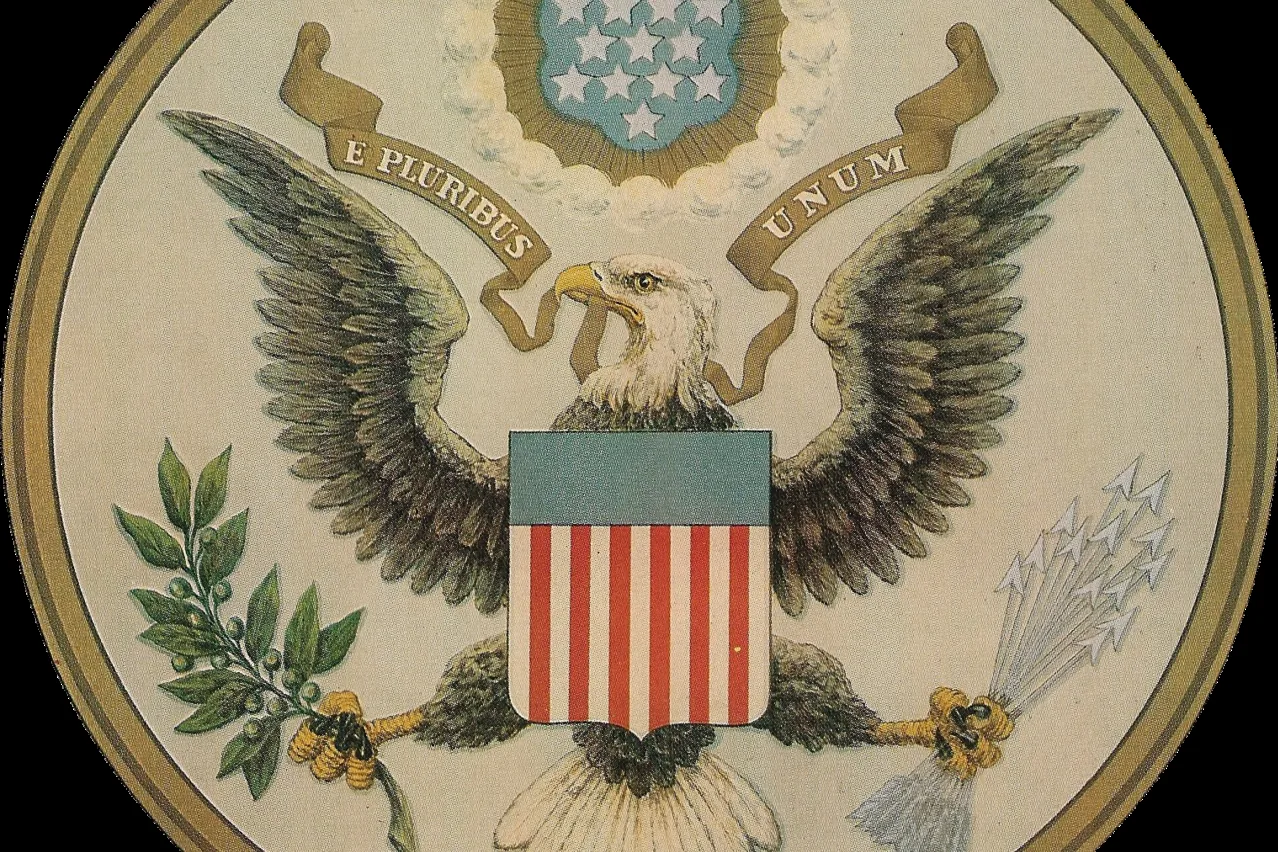
The Eagle as Phoenix
The most official bird in America, read as the phoenix in plain dress.
Also civic-national
Attributed Civic-Solar -
civic-national
The Fasces
Rome's bundle of rods and axe — coercive power, in plain sight.
Also civic-national
Attributed Civic-Solar
Share this specimen
ANAMNESIS
The torch she carries is older than America.
The Statue of Liberty