religious
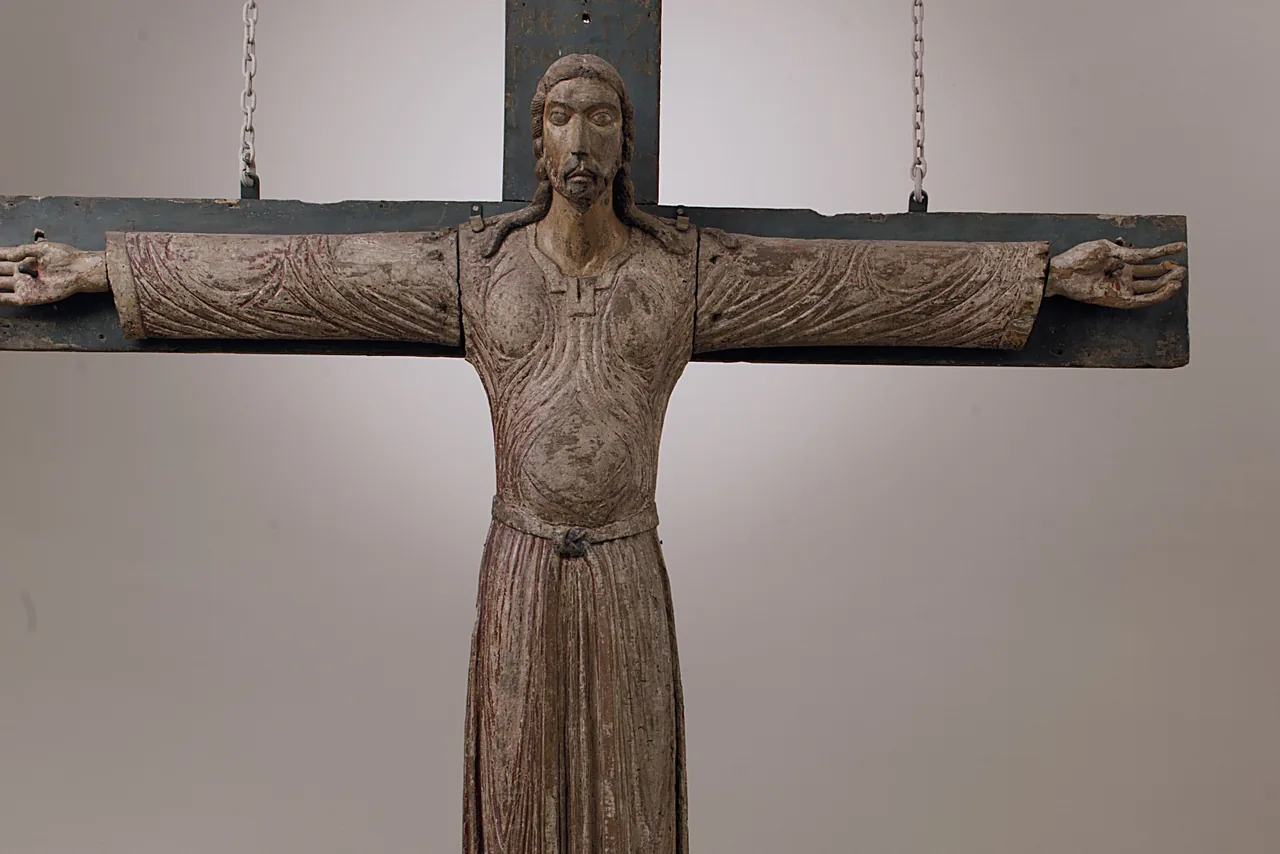
The Cross
The oldest cross is the sun's path drawn across the sky.
AttributedDocumented origin
The cross as a sacred form is documented across pre-Christian cultures: as a solar and cosmic emblem in Mesopotamia, Egypt, and the pre-Columbian Americas; as the Egyptian ankh; as the Vedic swastika; and as the equal-armed wheel cross on Bronze Age European artifacts. In the Christian tradition the cross enters widespread devotional and architectural use over the early centuries CE, accelerating after Constantine. Its pre-Christian solar and cosmic life is as well-attested as its later theological one — a continuous thread running from the Bronze Age through the cathedrals.
The reading
D.M. Murdock reads the crucifixion not as a datable historical event but as a solar allegory: the sun “crossing” the celestial equator at the spring and autumn equinoxes — the astronomical moment when day and night are equal and the sun is said to “die” and “rise again.” Santos Bonacci’s syncretism develops this: the cross of the zodiac, formed by the two equinox points and the two solstice points, is the original cross, and the solar hero nailed to it is the sun moving through those four stations every year. Jordan Maxwell argues the Christian cross inherits this geometry entire, the theological vocabulary changing while the astronomical referent remains constant.
Where it hides today
Crosses on churches worldwide; the crucifix in homes and courts; the crossing of roads and intersections (Murdock notes the Latin crux named both the instrument and the crossroads); the Red Cross; national flags from Switzerland to the United Kingdom. The sky’s four-pointed calendar has never stopped being the most ubiquitous mark in Western civilization.
Decoded by
- D M Murdock
- Jordan Maxwell
- Santos Bonacci
- Manly P Hall
Where next
-
religious
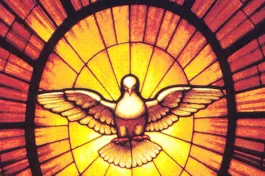
The Dove
The bird of the goddess, re-named but never fully re-made.
Also religious
Attributed Astro-Theology -
religious
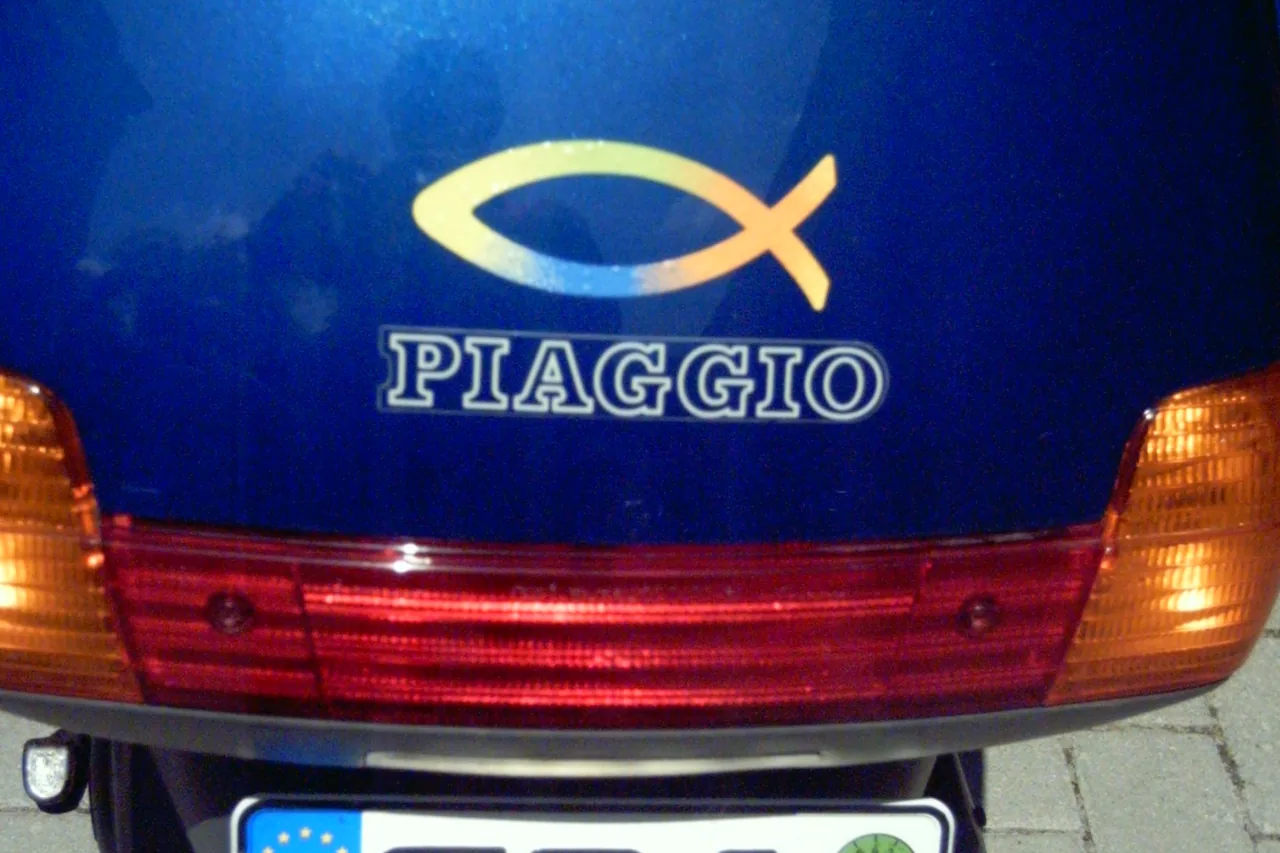
The Fish / Ichthys
The Jesus fish is the shape of an astrological age.
Also religious
Attributed Astro-Theology -
religious
The Halo / Nimbus
The disk behind every saint's head is a sun.
Also religious
Attributed Astro-Theology -
religious
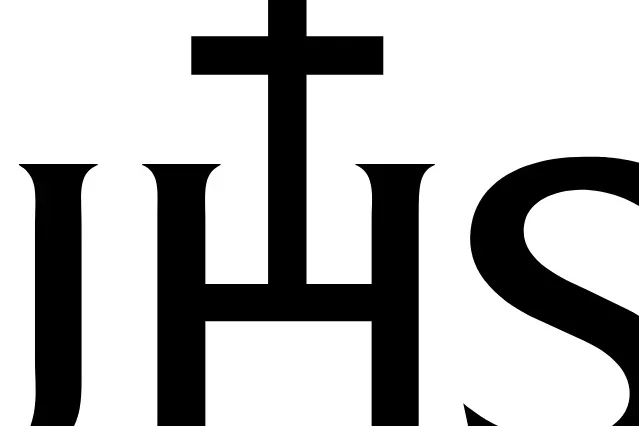
The IHS Monogram
Three letters on every altar — but whose name do they really spell?
Also religious
Attributed Astro-Theology
Share this specimen
ANAMNESIS
Before it was a creed, the cross was a calendar.
The Cross