Living peer · b. 1975
Robert Sepehr
The Atlantean-Gardens researcher linking antediluvian civilization to occult history.
Contemporary connector — routes alt-history, Atlantis diffusionism, and occult secret-society research into a single popular YouTube-era body of work.
Robert Sepehr entered the tradition as a writer and video producer rather than a lecturer, building the “Atlantean Gardens” body of work across books and YouTube releases from the mid-2010s onward. His signature move is to locate the occult tradition’s symbolic inheritance not in ancient Babylon or Egypt alone but in a civilization that preceded them — the antediluvian world whose destruction Sepehr teaches was the original amnesia event. In Species with Amnesia he frames humanity as a culture cut off from its own deepest history. In 1666 Redemption Through Sin, Sepehr advances a thesis on Sabbatean-Frankism as a hidden institutional engine. Together, the works argue that the symbols still circulating through secret societies are the last transmissions of a drowned world.
Core claims
- Sepehr teaches an 'out of Atlantis' diffusionist model of human origins, arguing that an advanced antediluvian civilization seeded the world's cultures.
- In Sepehr's work, occult secret societies, alchemy, and astrotheology are understood as survival-vehicles for knowledge preserved from the antediluvian world.
- Sepehr teaches, in *1666 Redemption Through Sin*, a thesis about Sabbatean-Frankism as a concealed engine operating within religion, politics, and finance.
- Sepehr's *Species with Amnesia* argues that humanity has forgotten its own deep history — a civilizational suppression of pre-flood origins and capabilities.
Key works
- Species with Amnesia: Our Forgotten History · 2015
- 1666 Redemption Through Sin · 2015
- Gods with Amnesia: Subterranean Worlds of Inner Earth · 2015
Signature decodes
- Sepehr's central image is the 'species with amnesia' — humanity cut off from memory of an advanced antediluvian civilization whose knowledge now persists only in occult channels.
- Sepehr traces the symbols and initiatic structures of Freemasonry, alchemy, and Rosicrucianism to a pre-flood source civilization rather than to the historical Near East.
- Sepehr's reading of the Sabbatean-Frankist movement presents it as a theological inversion deliberately weaponized — an esoteric institution whose public face concealed an antinomian inner doctrine.
Symbols they decode
-
occult
The Black Sun
An inner, invisible sun — and a symbol whose history cannot be separated from its origin.
Decoded
Attributed Hermetic -
solar-astro
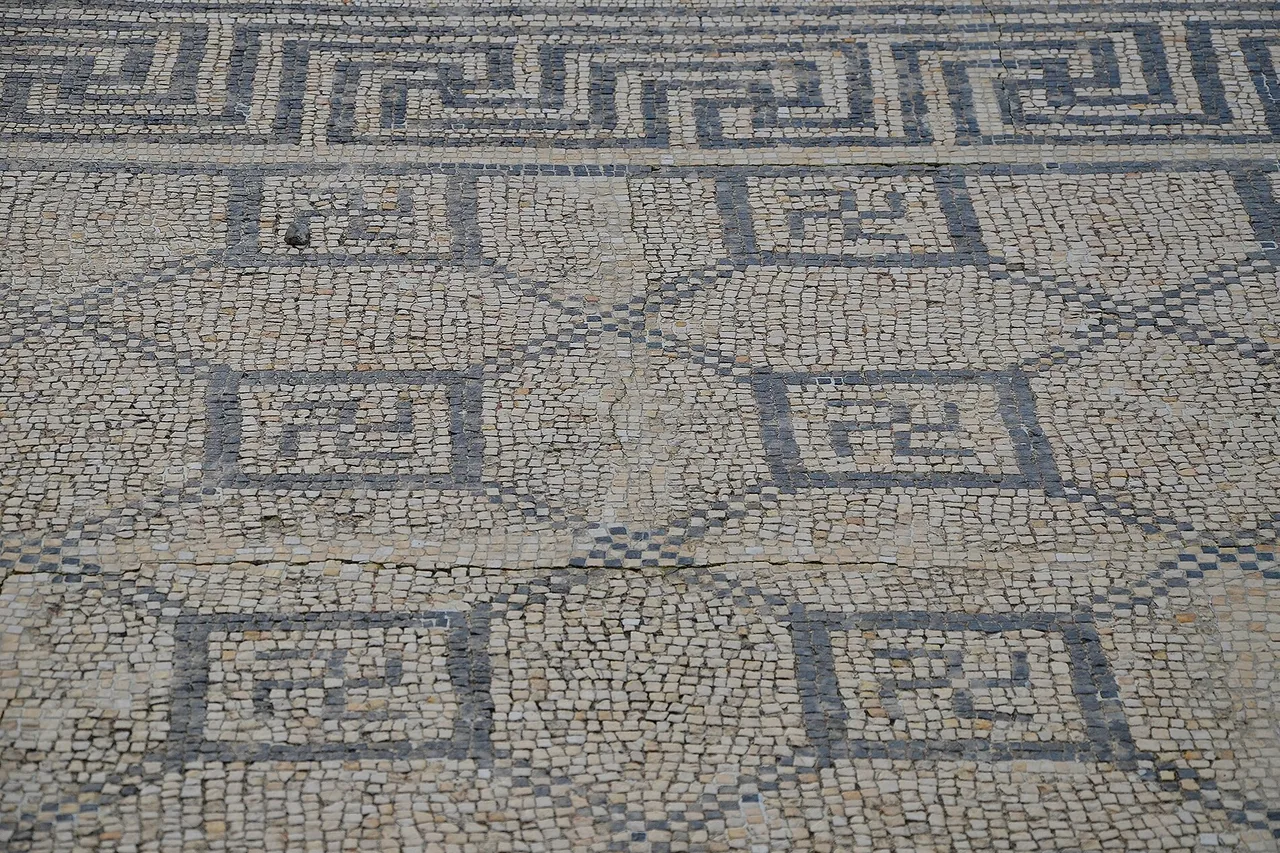
The Swastika
A 15,000-year solar wheel of good fortune, older than every flag.
Decoded
Attributed Astro-Theology -
occult
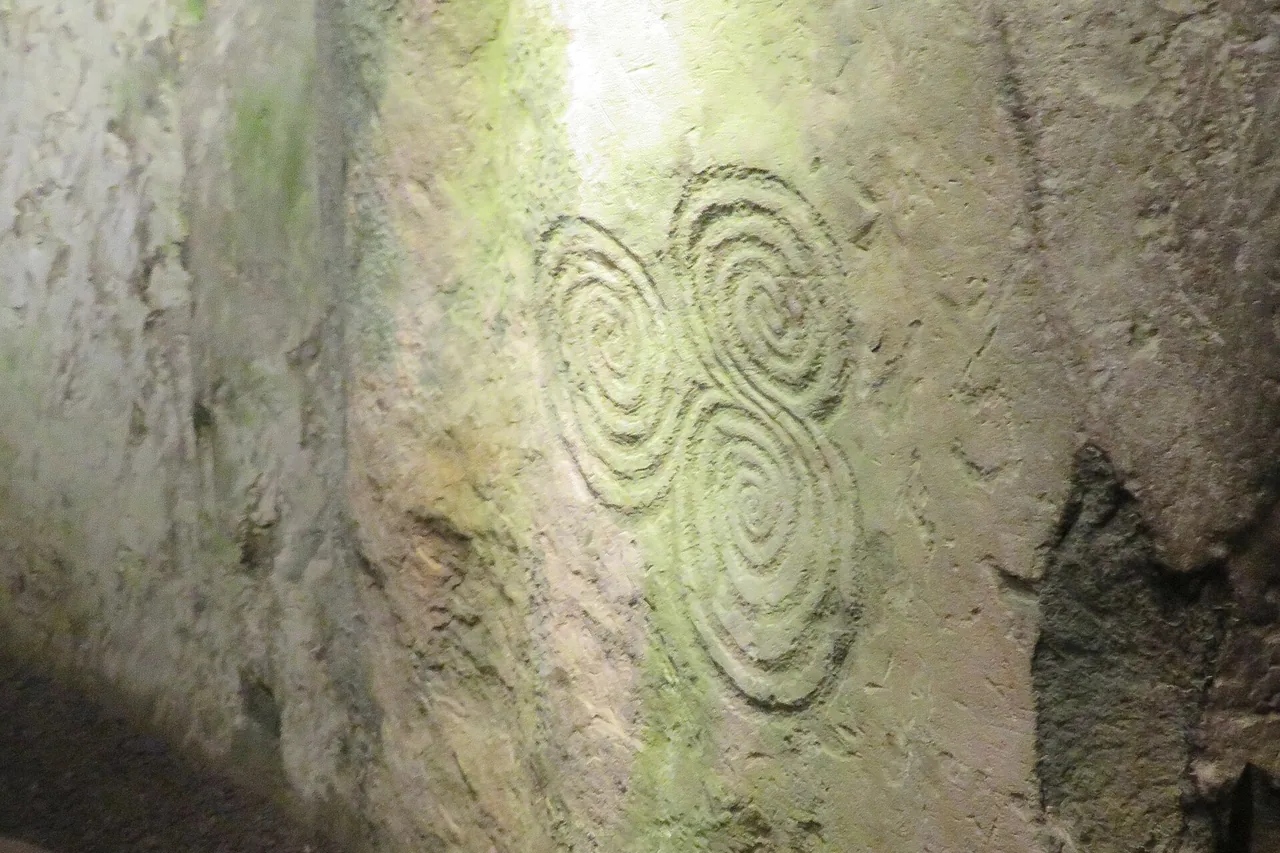
The Triple Spiral / Triskele
Carved before writing existed — the oldest threefold turn in stone.
Decoded
Attributed Hermetic
Sources
Status Living; born 1975 in Los Angeles. Active as author and producer of the YouTube channel 'Atlantean Gardens' and the Patreon series at atlanteangardens.blogspot.com.