alchemical
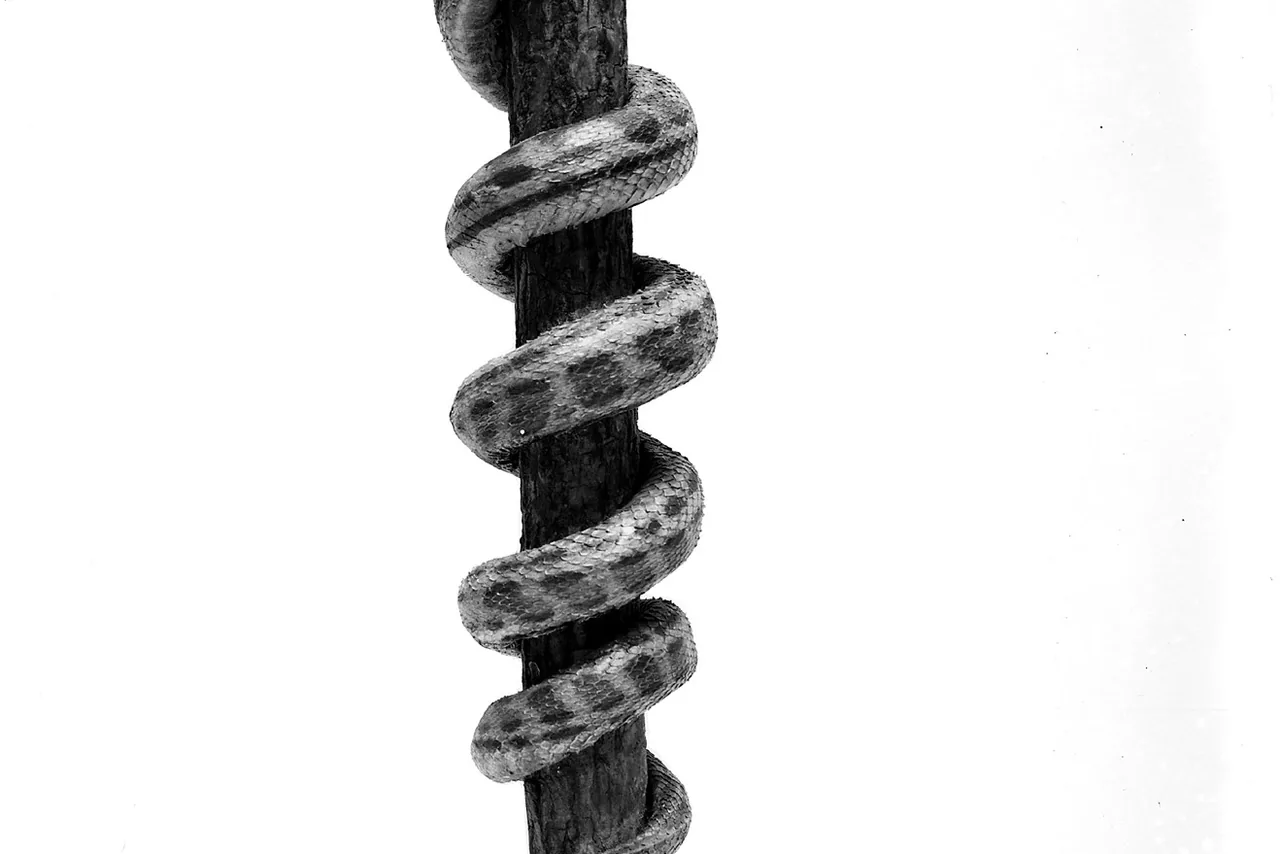
The Rod of Asclepius
One serpent, one staff — the true sign medicine forgot it carried.
AttributedDocumented origin
A single serpent coiled around a rough, knotted staff is the attribute of Asclepius, the Greek god of healing, whose cult was centered at Epidaurus. The staff and serpent entered Western medical iconography as the authentic emblem of the healing arts. One scholarly theory links the image to the ancient extraction of Guinea worm parasites, which were slowly wound out on a stick — a practice documented across the ancient Near East. The rod is distinguished from the caduceus (the winged staff of Hermes, with two serpents) and is the symbol used by the World Health Organization and the American Medical Association.
The reading
In the astrotheology tradition, Jordan Maxwell links the single serpent to the brazen serpent Moses raised on a pole in the wilderness (Numbers 21) — a solar and healing emblem whose gaze restored sight and health. Manly P. Hall places the serpent of Asclepius within the broad Hermetic teaching on the serpent as the force of divine wisdom and regeneration: the creature that sheds its skin is nature’s standing image of renewal.
Where it hides today
The rod appears on the WHO emblem, ambulance panels, hospital signage, and military medical corps insignia worldwide. Its near-twin the caduceus — wrongly adopted by the U.S. Army Medical Corps in 1902 — remains in widespread commercial and government use, a centuries-long case of substitution in plain sight.
Decoded by
- Jordan Maxwell
- Manly P Hall
Where next
-
alchemical
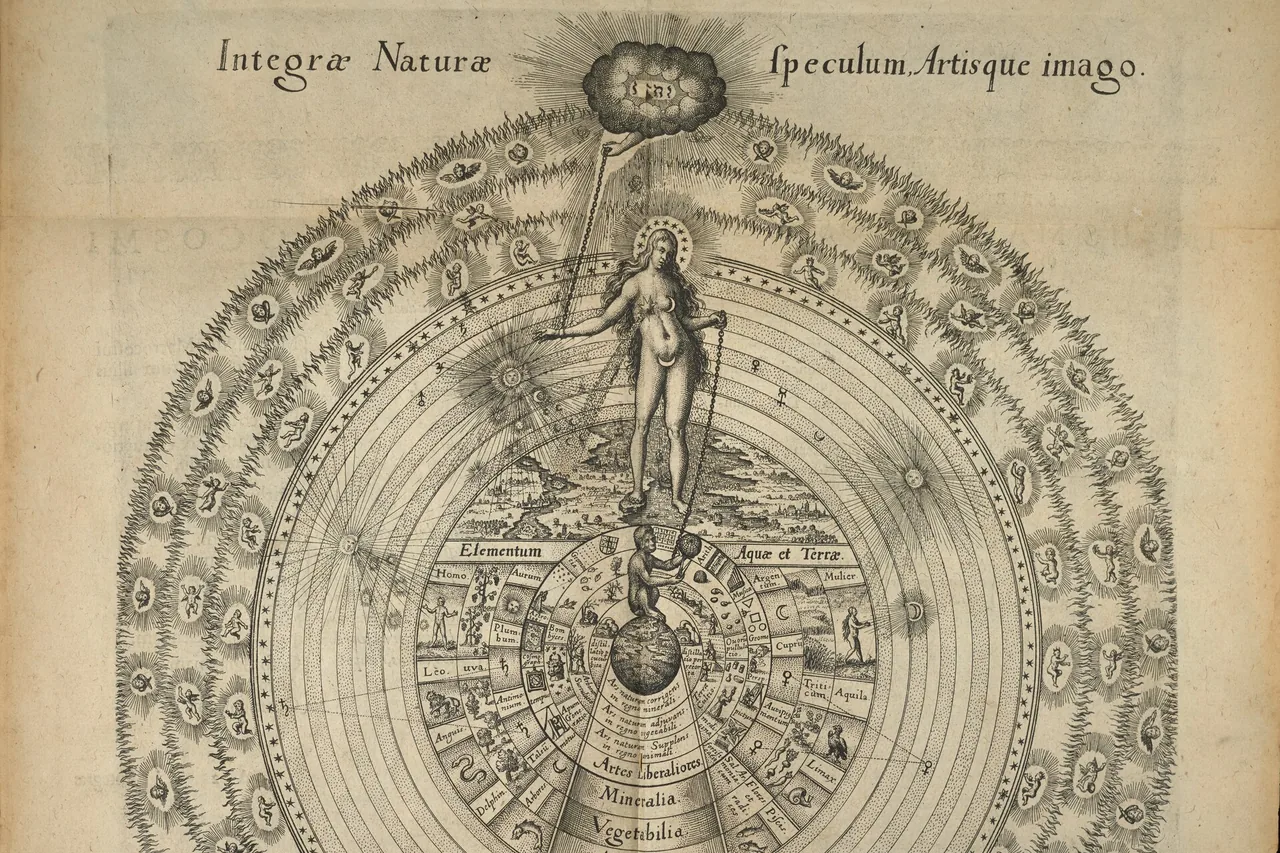
As Above, So Below
The chain of being from God to ape, drawn whole.
Also alchemical
Attributed Hermetic -
alchemical
The Caduceus
Hermes' twin-serpent wand, read as energy rising up the spine.
Also alchemical
Attributed Hermetic -
alchemical
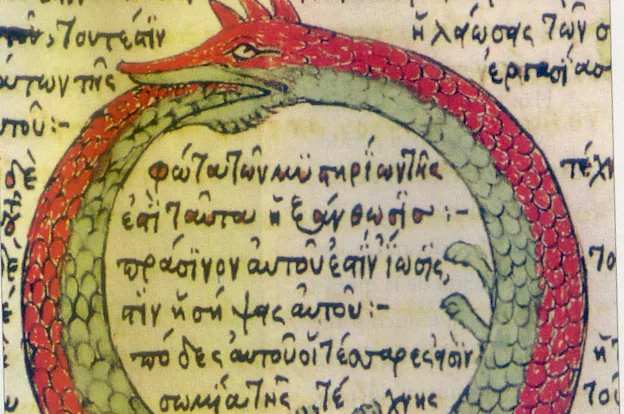
The Ouroboros
The serpent that eats its own tail — the cosmos remaking itself.
Also alchemical
Attributed Hermetic -
alchemical
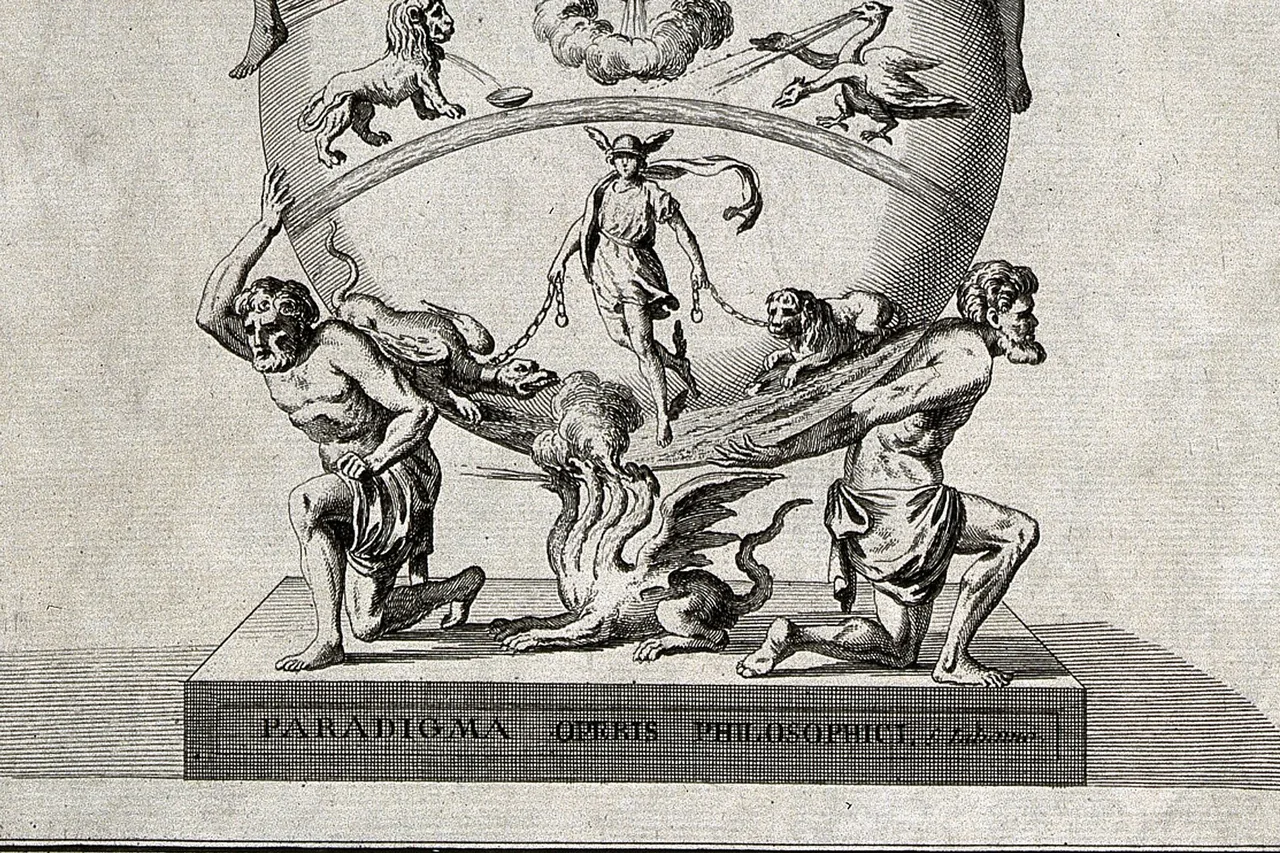
The Philosopher's Stone Glyph
The goal of every alchemist — perfection drawn as a single device.
Also alchemical
Attributed Alchemical
Share this specimen
ANAMNESIS
The serpent on the staff heals. The two-serpent staff does not.
The Rod of Asclepius