Wikimedia Commons · Public Domain
civic-national
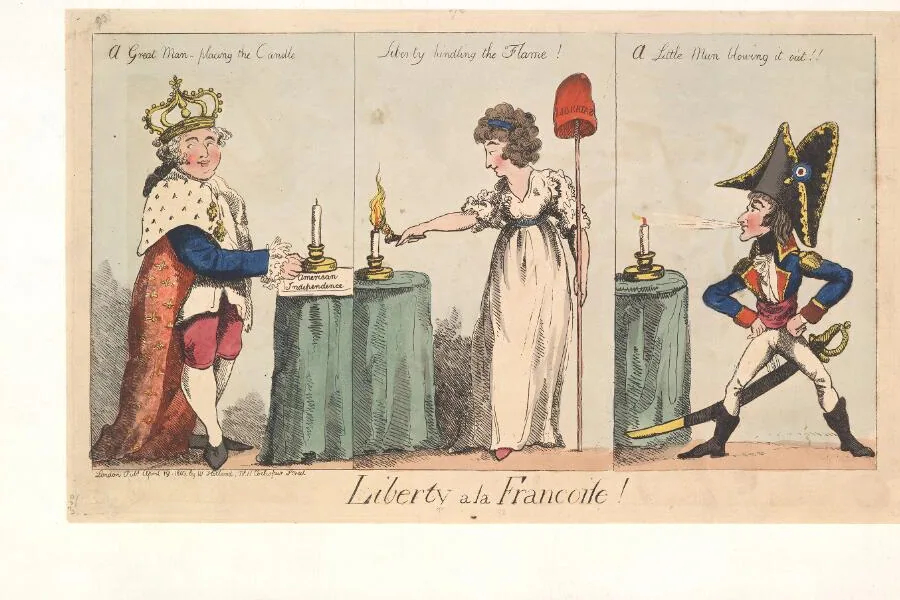
The Liberty Cap
The hat of freedom — and of the solar savior Mithras.
AttributedDocumented origin
In ancient Rome the pileus — a soft, brimless, conical felt cap — was placed on the head of a slave at the moment of manumission, marking the passage from bondage to freedom. The Phrygian cap is its distinctive pointed, forward-curving variant. Revived in the era of the American and French Revolutions as the “cap of liberty,” it was placed on the heads of allegorical figures of liberty and freedom across coinage, seals, and revolutionary imagery. It crowns Marianne, the personification of the French Republic, and appears on the seal of the United States Senate.
The reading
Jordan Maxwell and Michael Tsarion read the Phrygian cap through its Mithraic axis: the god Mithras — the solar savior of the mystery religion that spread across the Roman Empire from roughly the 1st to 4th centuries CE — is invariably depicted wearing the identical cap. Tsarion argues that when revolutionaries placed the solar savior’s headgear on the figure of Liberty, they were encoding the same sun-cult iconography that had shaped Roman religious and political life, now smuggled into the civic symbols of the modern state.
Where it hides today
It crowns Marianne on every official French seal; it sits atop the seated Liberty on U.S. coins; the Senate of the United States carries it on its seal; state seals from New York to Iowa wear it atop a pole. The oldest emblem of manumission is still the republic’s hat — and Mithras still wears it underneath.
Decoded by
- Jordan Maxwell
- Michael Tsarion
Where next
-

civic-national
The All-Seeing Eye
The few who see, hidden on the money in your pocket.
Also civic-national
Attributed Civic-Solar -
civic-national
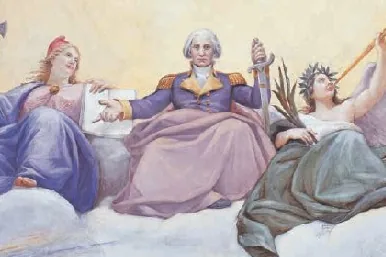
The Capitol Dome and the Apotheosis of Washington
The legislature's ceiling shows a president ascending to godhood.
Also civic-national
Attributed Civic-Solar -
civic-national
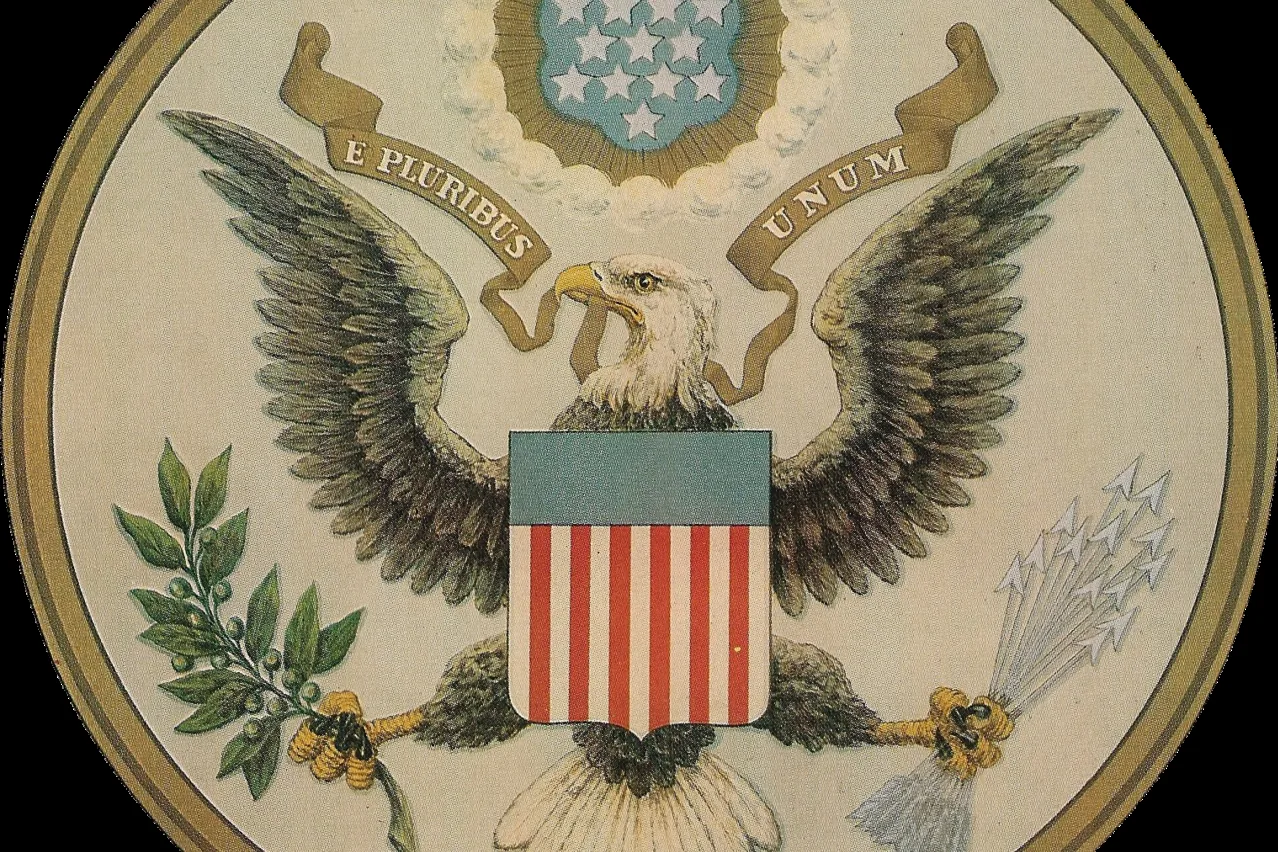
The Eagle as Phoenix
The most official bird in America, read as the phoenix in plain dress.
Also civic-national
Attributed Civic-Solar -
civic-national
The Fasces
Rome's bundle of rods and axe — coercive power, in plain sight.
Also civic-national
Attributed Civic-Solar
Share this specimen
ANAMNESIS
Mithras wore it first. Then the freed slave. Then the republic.
The Liberty Cap